Orthodontic treatment has advanced significantly over the years, offering patients more comfortable and efficient options for achieving a straighter smile. Among these innovations are self-ligating braces, a modern alternative to traditional braces that use a specialized bracket system instead of elastic bands to hold the archwire in place. These braces are designed to provide effective tooth movement while enhancing patient comfort and simplifying oral hygiene.
In this article, we’ll explore self-ligating braces: how they work and their advantages, helping you understand whether this orthodontic option may be suitable for your needs.
What Are Self-Ligating Braces?
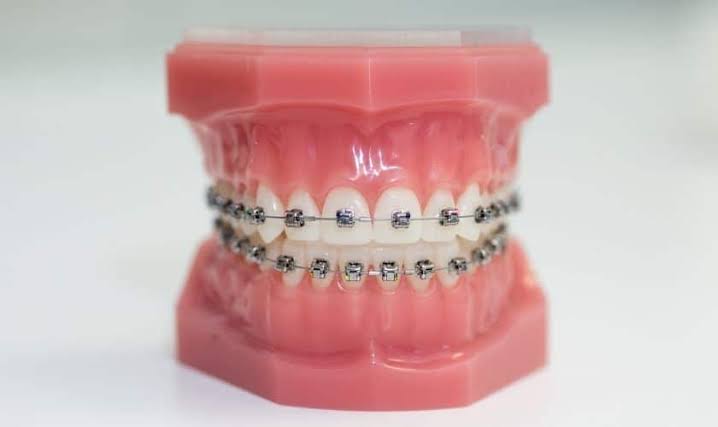
Self-ligating braces are a type of fixed orthodontic appliance that uses brackets with built-in clips or sliding doors to secure the archwire. Unlike traditional braces, they do not require elastic or metal ligatures to keep the wire in place.
As your teeth gradually move into their desired positions, the archwire works together with the self-ligating brackets to apply controlled, gentle pressure.
Self-ligating braces are available in:
- Metal self-ligating braces
- Ceramic self-ligating braces
Both options provide effective orthodontic treatment, with ceramic brackets offering a more discreet appearance.
How Do Self-Ligating Braces Work?
The key feature of self-ligating braces is the built-in locking mechanism that holds the archwire securely within each bracket.
During treatment:
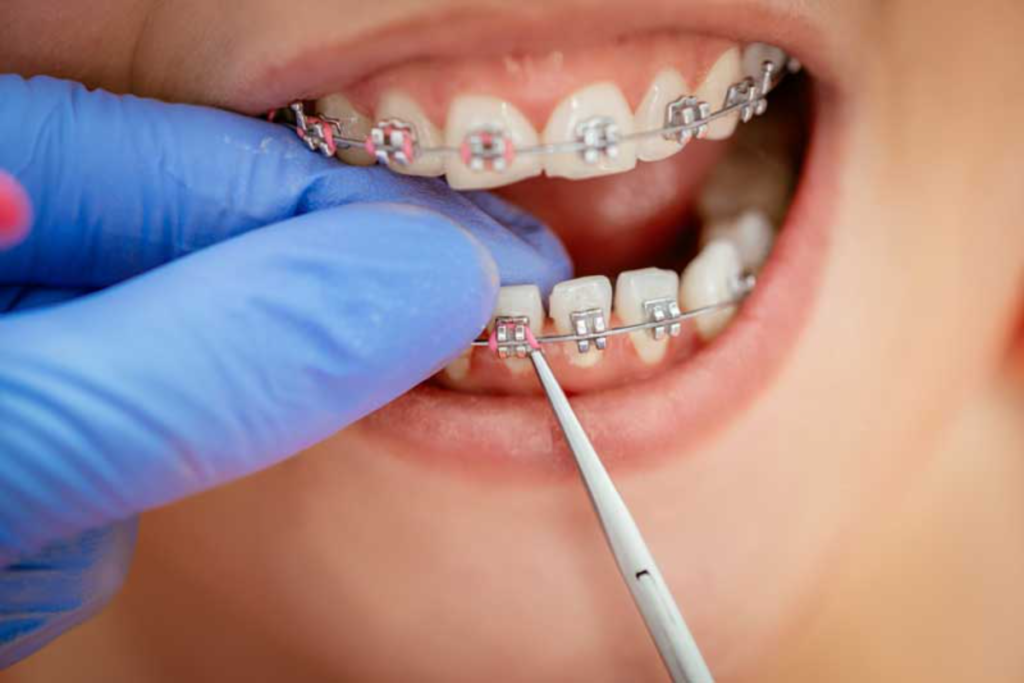
- Brackets are bonded to the teeth.
- An archwire is placed through the brackets.
- Built-in clips secure the wire without elastic ties.
- Gentle pressure gradually guides the teeth into proper alignment.
As treatment progresses, your orthodontist adjusts or replaces the archwire to continue moving your teeth according to your personalized treatment plan.
How Are They Different from Traditional Braces?
Traditional braces use small elastic bands or metal ties to attach the archwire to each bracket.
Self-ligating braces eliminate the need for these elastic ties by using an integrated clip system.
This design may offer:
- Reduced friction between the wire and brackets
- Smoother tooth movement
- Easier cleaning around the brackets
- Fewer elastic components that require replacement
While both systems are effective, your orthodontist will recommend the most suitable option based on your specific orthodontic needs.
Advantages of Self-Ligating Braces
Self-ligating braces provide several benefits that make them a popular orthodontic treatment choice.
Improved Comfort
Because the archwire can move more freely within the brackets, some patients experience less pressure during tooth movement.
Many individuals report:
- Reduced discomfort after adjustments
- Smoother orthodontic movement
- Less irritation from elastic ties
Comfort levels vary depending on individual treatment needs.
Easier Oral Hygiene
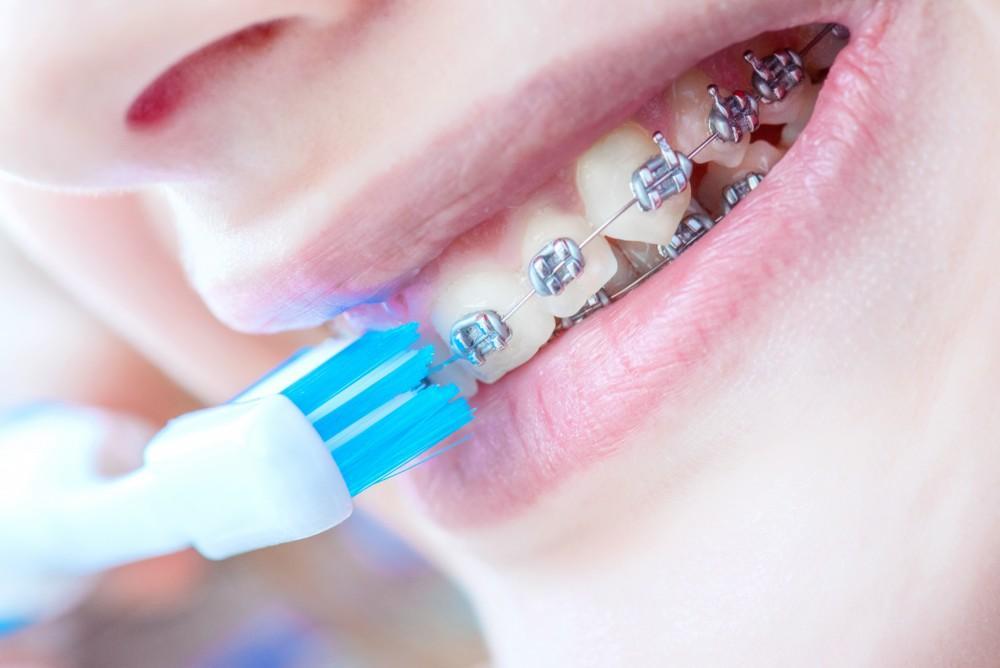
Without elastic bands around each bracket, there are fewer areas where plaque and food particles can accumulate.
This makes it easier to:
- Brush effectively
- Floss around brackets
- Maintain healthier gums
- Reduce plaque buildup
Good oral hygiene remains essential throughout treatment.
Fewer Orthodontic Appointments
Since there are no elastic ligatures to replace at every visit, some adjustment appointments may be shorter or require less maintenance.
Regular follow-up appointments are still necessary to monitor progress and make adjustments when needed.
Efficient Tooth Movement
The reduced friction between the archwire and brackets may allow teeth to move more smoothly throughout treatment.
Depending on the complexity of the case, self-ligating braces can effectively treat:
- Crowded teeth
- Gaps between teeth
- Overbite
- Underbite
- Crossbite
- Mild to complex alignment problems
Treatment duration varies for each individual.
Suitable for Many Age Groups
Self-ligating braces are suitable for:
- Children
- Teenagers
- Adults
Your orthodontist will evaluate your oral health and treatment goals before recommending this option.
Available in Metal and Ceramic Options
Patients can choose between different bracket materials.
Metal Self-Ligating Braces
Benefits include:
- Durable construction
- Effective for complex cases
- Reliable performance
- Cost-effective treatment option
Ceramic Self-Ligating Braces
Benefits include:
- Tooth-colored appearance
- Less noticeable than metal braces
- Suitable for patients seeking a more discreet orthodontic solution
Your orthodontist can explain which option best fits your needs.
Caring for Self-Ligating Braces
Maintaining good oral hygiene is essential for successful treatment.
Helpful care tips include:
- Brush after every meal using fluoride toothpaste
- Floss daily with orthodontic cleaning aids if recommended
- Attend all scheduled orthodontic appointments
- Follow your orthodontist’s instructions carefully
- Keep brackets and wires clean
Proper care helps reduce the risk of cavities and gum disease during treatment.
Foods to Avoid
Although self-ligating braces are durable, certain foods may damage the brackets or wires.
It’s generally advisable to avoid:
- Hard candies
- Ice
- Sticky caramel
- Chewing gum
- Popcorn kernels
- Very hard nuts
Choosing softer foods after adjustment appointments may also improve comfort.
Treatment Duration
The length of treatment depends on several factors, including:
- The complexity of tooth movement
- Bite correction requirements
- Patient cooperation
- Oral hygiene
- Attendance at follow-up appointments
Your orthodontist will provide an estimated treatment timeline during your consultation.
After Treatment
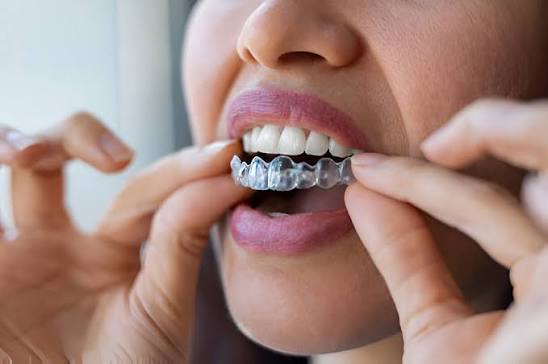
Once your braces are removed, wearing a retainer is essential to help maintain your results.
Retainers help:
- Keep teeth in their new positions
- Prevent unwanted tooth movement
- Protect your orthodontic investment
Your orthodontist will recommend the most appropriate retainer schedule based on your individual case.
Are Self-Ligating Braces Right for You?
Self-ligating braces may be a suitable option if you:
- Want a modern fixed orthodontic treatment
- Have crowded or misaligned teeth
- Need bite correction
- Prefer braces without elastic ties
- Are committed to maintaining good oral hygiene
A consultation with an experienced orthodontist is the best way to determine whether self-ligating braces are appropriate for your smile.
Dr. Akram Altawachi is an experienced Orthodontist, providing personalized care for patients seeking guidance on teeth alignment, bite correction, and overall smile aesthetics. He offers comprehensive orthodontic care, including braces, clear aligners, Invisalign, and other treatment options tailored to individual needs. For anyone seeking expert guidance on their orthodontic journey, booking a consultation with Dr. Akram Altawachi provides personalized care, informed treatment guidance, and professional support.