A healthy, well-aligned smile is about more than appearance—it also supports better oral health, comfortable chewing, and clear speech. Dental braces are one of the most effective orthodontic treatments for correcting crooked teeth, bite problems, and spacing issues. Thanks to advances in modern dentistry, patients now have several types of braces to choose from, each offering unique advantages based on their needs and lifestyle.
This article explores the different types of dental braces and their benefits to help you better understand your orthodontic treatment options.
What Are Dental Braces?
Dental braces are orthodontic appliances that apply gentle, continuous pressure to gradually move teeth into their correct positions. They can improve both the function and appearance of your smile by correcting various alignment and bite issues.
Braces may be recommended to treat:
- Crooked teeth
- Crowded teeth
- Gaps between teeth
- Overbite
- Underbite
- Crossbite
- Open bite
- Misaligned jaws
An orthodontist will recommend the most suitable type of braces based on your dental condition, age, lifestyle, and treatment goals.
Why Orthodontic Treatment Is Important
Straight teeth are easier to clean and maintain, reducing the risk of plaque buildup and gum disease. Proper alignment also helps distribute bite forces evenly, minimizing unnecessary wear on teeth.
Benefits of orthodontic treatment include:
- Improved oral hygiene
- Better chewing function
- Clearer speech
- Reduced risk of tooth wear
- Enhanced smile aesthetics
- Increased self-confidence
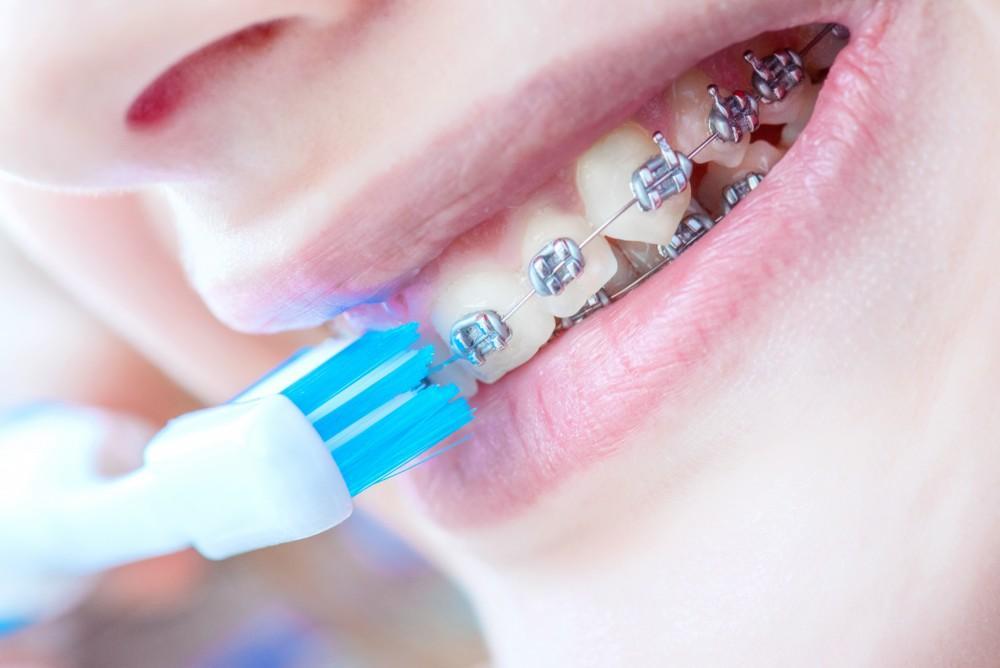
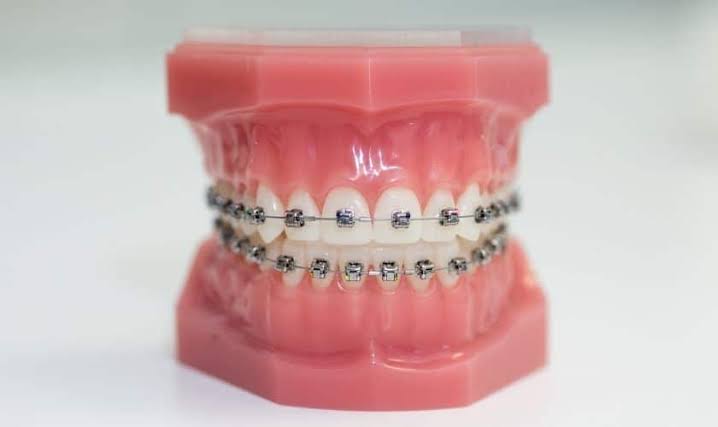
Traditional Metal Braces
Traditional metal braces are the most commonly used orthodontic treatment and have been trusted for decades.
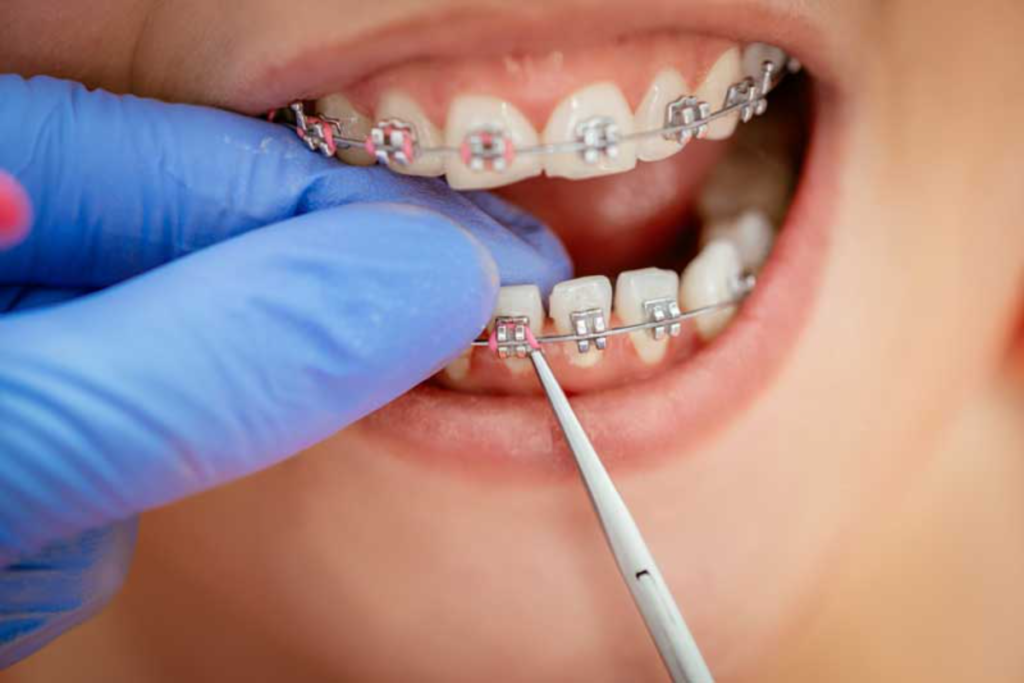
They consist of:
- Metal brackets attached to each tooth
- Archwires
- Small elastic bands or ligatures
Benefits of Metal Braces
- Highly effective for simple and complex cases
- Suitable for patients of all ages
- Durable and reliable
- Precise tooth movement
- Often one of the most cost-effective orthodontic options
Modern metal braces are smaller and more comfortable than earlier designs.
Ceramic Braces
Ceramic braces function similarly to metal braces but use tooth-colored or clear brackets that blend more naturally with the teeth.
Benefits of Ceramic Braces
- Less noticeable than metal braces
- Effective for many orthodontic conditions
- Suitable for teens and adults seeking a more discreet appearance
- Provide reliable treatment outcomes
Ceramic brackets require good oral hygiene, as they may stain if not properly maintained.
Self-Ligating Braces
Self-ligating braces resemble traditional braces but use built-in clips instead of elastic bands to hold the archwire in place.
Benefits of Self-Ligating Braces
- Reduced friction during tooth movement
- Easier cleaning around brackets
- Fewer adjustment appointments in some cases
- Comfortable treatment experience
- Efficient tooth movement
Self-ligating braces are available in both metal and ceramic versions.
Lingual Braces
Lingual braces are attached to the back (tongue-facing side) of the teeth, making them virtually invisible from the front.
Benefits of Lingual Braces
- Hidden from view during everyday activities
- Customized to each patient’s teeth
- Effective for many alignment issues
- Suitable for patients who prefer a discreet treatment option
Because they are placed behind the teeth, lingual braces may require an adjustment period for speech and comfort.
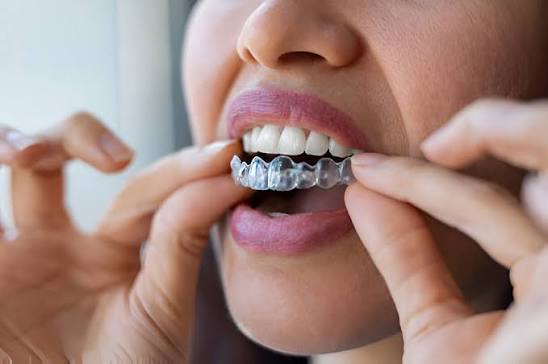
Clear Aligners
Clear aligners use a series of removable, custom-made trays to gradually move teeth into position. Unlike traditional braces, they do not use brackets or wires.
Benefits of Clear Aligners
- Nearly invisible appearance
- Removable for eating and brushing
- Comfortable with no metal components
- Easier oral hygiene
- Fewer dietary restrictions
Clear aligners are appropriate for many mild to moderate orthodontic cases. More complex cases may still require braces, depending on the individual’s needs.
Choosing the Right Type of Braces
The best orthodontic treatment depends on several factors, including:
- Severity of alignment issues
- Bite condition
- Age
- Lifestyle
- Personal preferences
- Oral health
- Treatment goals
Your orthodontist will perform a thorough examination and discuss the most appropriate treatment option for your situation.
How Long Does Treatment Take?
Treatment duration varies depending on the complexity of the case and the type of orthodontic appliance used.
Factors that influence treatment time include:
- Degree of tooth movement required
- Patient age
- Consistency with treatment instructions
- Oral hygiene
- Regular attendance at follow-up appointments
Most orthodontic treatments take between 12 and 24 months, although some cases may require a shorter or longer treatment period.
Caring for Your Braces
Proper care helps ensure successful treatment and protects your oral health.
Helpful tips include:
- Brush after every meal using fluoride toothpaste
- Floss daily using orthodontic flossing tools if recommended
- Attend all scheduled adjustment appointments
- Follow your orthodontist’s instructions
- Wear any recommended elastics or appliances as directed
Patients with removable clear aligners should clean their aligners regularly and wear them for the recommended number of hours each day.
Foods to Be Careful With
If you have fixed braces, your orthodontist may recommend avoiding foods that could damage brackets or wires.
Examples include:
- Hard candies
- Popcorn kernels
- Sticky caramel
- Chewing gum
- Ice
- Very hard nuts
Soft, nutritious foods are often more comfortable, particularly after adjustment appointments.
Benefits Beyond a Beautiful Smile
Orthodontic treatment offers advantages that extend beyond cosmetic improvements.
Properly aligned teeth can:
- Improve bite function
- Support healthier gums
- Reduce plaque accumulation
- Lower the risk of tooth decay
- Minimize abnormal tooth wear
- Enhance long-term oral health
Investing in orthodontic care contributes to both dental health and overall confidence.
Are Braces Suitable for Adults?
Yes. Orthodontic treatment is not limited to children and teenagers. Many adults choose braces or clear aligners to improve their smiles and oral health.
Adult orthodontic treatment can successfully address:
- Crowded teeth
- Gaps
- Bite problems
- Relapse after previous orthodontic treatment
- Cosmetic concerns
Age is often less important than having healthy teeth and gums before starting treatment.
Dr. Akram Altawachi is an experienced Orthodontist, providing personalized care for patients seeking guidance on teeth alignment, bite correction, and overall smile aesthetics. He offers comprehensive orthodontic care, including braces, clear aligners, Invisalign, and other treatment options tailored to individual needs. For anyone seeking expert guidance on their orthodontic journey, booking a consultation with Dr. Akram Altawachi provides personalized care, informed treatment guidance, and professional support.