Braces
Braces Dubai
Braces provide effective orthodontic treatment to straighten teeth, correct crowding and spacing, improve bite alignment, and create a healthier, more confident smile.
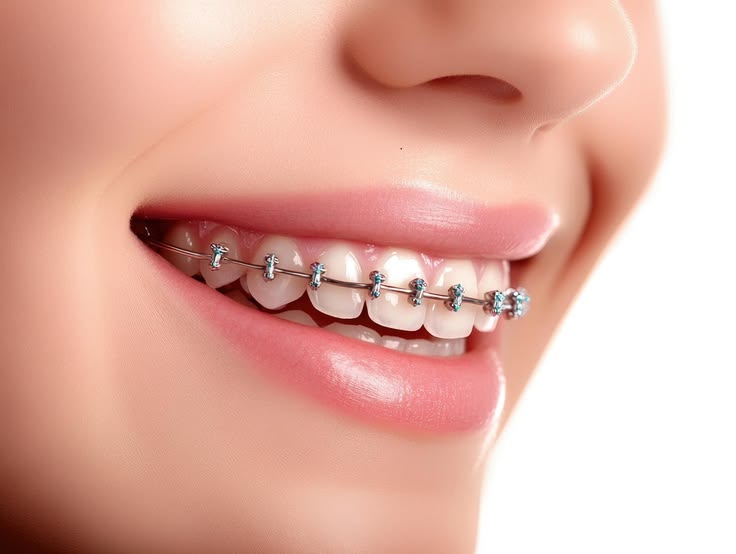
A well-aligned smile not only enhances your appearance but also improves your oral health. If you're considering orthodontic treatment, Braces offer a reliable and effective solution for correcting crooked teeth, bite problems, and spacing issues. Modern braces are more comfortable, efficient, and aesthetically pleasing than ever before, making them suitable for both children and adults.Whether you have crowded teeth, gaps, overbite, underbite, or crossbite, braces gradually move your teeth into their ideal position, creating a healthier bite and a more confident smile.
What Are Dental Braces?
Dental braces are orthodontic appliances designed to apply gentle, continuous pressure to your teeth. Over time, this controlled movement aligns the teeth and improves the overall function of your bite.Today's orthodontic treatments are highly customized, allowing dentists to create personalized treatment plans based on each patient's unique dental condition. Regular adjustments ensure that the teeth continue moving safely and efficiently throughout the treatment process.
Benefits of Braces
Braces provide both cosmetic and functional improvements, making them one of the most effective long-term dental treatments.- Correct crooked or crowded teeth
- Close unwanted gaps
- Improve bite alignment
- Enhance facial aesthetics
- Make brushing and flossing easier
- Reduce the risk of tooth wear
- Improve speech in certain cases
- Boost self-confidence
Who Can Benefit from Braces?
Orthodontic treatment is suitable for children, teenagers, and adults experiencing dental alignment issues.- Crowded teeth
- Gaps between teeth
- Overbite
- Underbite
- Crossbite
- Open bite
- Rotated teeth
- Jaw alignment concerns
Types of Braces Available
Modern orthodontics offers several treatment options to suit different lifestyles and clinical needs.Metal Braces
Traditional metal braces remain one of the most effective methods for correcting complex orthodontic cases. Today's designs are smaller, lighter, and far more comfortable than older versions.Ceramic Braces
Ceramic braces use tooth-colored brackets that blend naturally with your teeth, making them a popular choice for patients seeking a more discreet appearance.Lingual Braces
These braces are attached to the inner surface of the teeth, making them virtually invisible from the front while providing effective tooth movement.Self Ligating Braces
Self ligating braces use a specialized bracket system that holds the archwire without elastic bands. This design reduces friction, improves comfort, and may allow smoother tooth movement while simplifying adjustments during treatment.The Braces Treatment Process
Orthodontic treatment follows a carefully planned process to achieve predictable and lasting results.Initial Consultation
Your dentist performs a comprehensive examination, including digital X-rays, photographs, and dental impressions or scans.Customized Treatment Planning
A personalized treatment plan is created based on your bite, tooth alignment, and overall oral health.Braces Placement
The brackets are bonded to the teeth, and an orthodontic wire is placed to begin the gradual alignment process.Regular Adjustments
Periodic appointments allow your orthodontist to adjust the wires and monitor your progress throughout treatment.Retention Phase
Once the braces are removed, retainers help maintain your new smile and prevent the teeth from shifting back.Caring for Your Braces
Proper oral hygiene is essential during orthodontic treatment.- Brush after every meal.
- Clean around brackets carefully.
- Floss daily using orthodontic floss or floss threaders.
- Avoid hard, sticky, or chewy foods.
- Attend all scheduled adjustment appointments.
- Wear elastics as instructed if prescribed.
Choosing the Right Orthodontist
Selecting an experienced orthodontic professional is one of the most important decisions during your smile journey.- Orthodontic experience
- Advanced diagnostic technology
- Personalized treatment planning
- Modern orthodontic techniques
- Positive patient reviews
- Comprehensive follow-up care
Why Choose Modern Orthodontic Treatment?
Advances in orthodontics have made braces more comfortable and efficient than ever before. Digital treatment planning, improved materials, and modern techniques allow for more precise tooth movement while enhancing patient comfort throughout the treatment process.Patients today also benefit from a variety of aesthetic treatment options, making orthodontic care suitable for professionals, teenagers, and adults who wish to improve both their smile and oral health.
Book Your Braces Dubai Consultation Today
If you are looking for a modern way to straighten your teeth in Dubai, Braces can provide an effective and reliable orthodontic solution. Designed to gradually move teeth into better positions, braces can help improve alignment, correct crowding, close gaps, and address certain bite concerns while supporting a healthier-looking smile.Frequently Asked Questions (FAQs)
1. Are braces suitable for adults?
Braces can be suitable for many adults who want to improve tooth alignment or address bite concerns. Modern orthodontic options offer different choices depending on appearance, comfort, and treatment needs. An orthodontist can determine which option is appropriate.
2. Who can get braces in Dubai?
Braces may be suitable for children, teenagers, and adults with various orthodontic concerns. They can help address crowded teeth, gaps, crooked teeth, and certain bite problems. An orthodontic assessment is needed to determine the most suitable treatment.3. How long does braces treatment take?
The duration of braces treatment varies according to the complexity of the case, age, tooth movement required, and individual response to treatment. Some cases may be completed within a shorter period, while complex alignment problems can require longer treatment.4. What types of braces are available in Dubai?
Different types of braces may be available, including traditional metal braces, ceramic braces, and other orthodontic systems. Each option has different features and benefits. An orthodontist can recommend the most appropriate type based on your teeth and treatment requirements.5. Are braces painful?
Braces may cause mild pressure, tenderness, or discomfort after placement and following adjustments. This usually improves as the mouth becomes accustomed to the appliances. Your orthodontist can provide guidance on managing temporary discomfort during the treatment process.6. Can braces fix crowded teeth?
Yes, braces can help correct many cases of crowded teeth by gradually moving teeth into better positions. The treatment approach depends on the severity of crowding and available space. An orthodontic examination can determine the appropriate treatment plan.7. Can braces close gaps between teeth?
Braces can help close certain gaps between teeth by applying controlled forces that gradually move the teeth together. The cause and size of the gap will influence treatment. Your orthodontist can evaluate the condition and recommend an appropriate orthodontic solution.8. Can braces improve bite problems?
Braces can help correct several types of bite problems by repositioning teeth and improving their alignment. Treatment depends on the type and severity of the bite issue. A detailed orthodontic assessment is important before selecting the appropriate treatment approach.9. How much do braces cost in Dubai?
The cost of braces in Dubai varies depending on the type of braces, treatment complexity, duration, and required follow-up care. Additional factors may include diagnostic procedures and retainers. A consultation can provide a personalized estimate based on your needs.10. Are braces suitable for teenagers?
Braces are commonly used during the teenage years because teeth and jaws are still developing. However, treatment timing depends on individual dental development. An orthodontic assessment can identify alignment problems and determine when treatment should begin.
- Initial orthodontic consultation
- Teeth and bite assessment
- Personalized treatment planning
- Braces placement
- Regular adjustments and monitoring
- Teeth alignment and bite correction
- Retainers after treatment