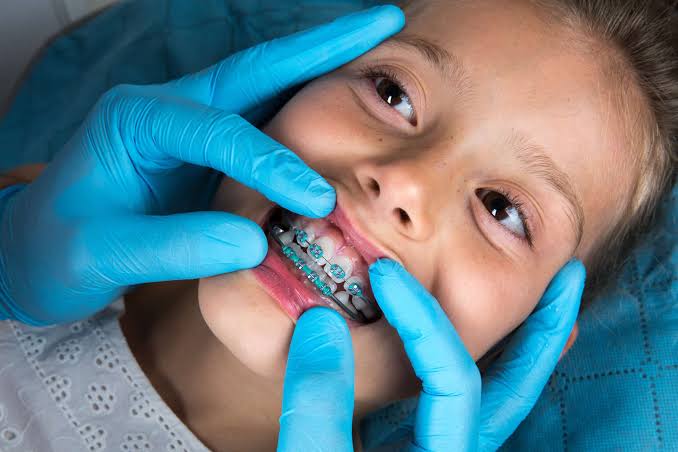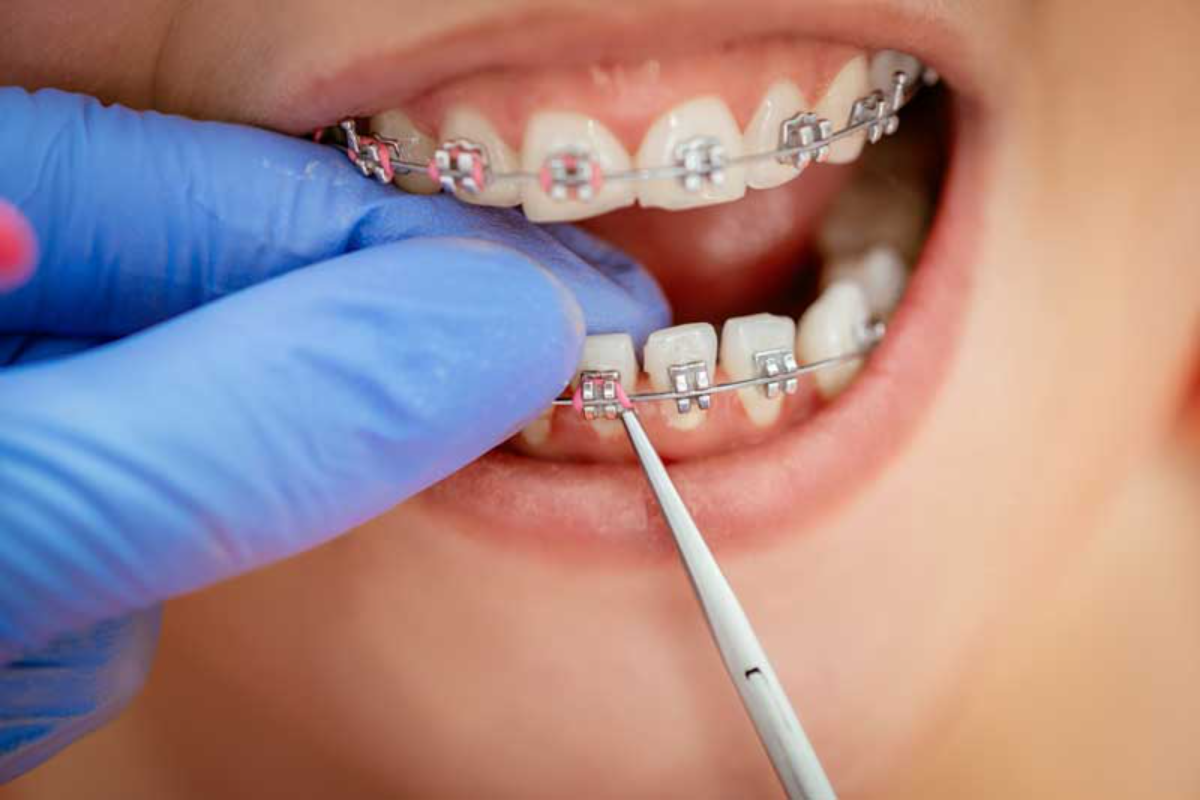
Regular braces adjustments are an important part of orthodontic treatment. During these appointments, your orthodontist tightens or changes the archwire, replaces elastics, or makes other adjustments to help your teeth move into their correct positions. It’s normal to experience mild discomfort or soreness for a few days after an adjustment. Understanding How to Manage Pain and Discomfort After Braces Adjustment can help you stay comfortable while keeping your treatment on track.
In this article, we’ll discuss why discomfort occurs, practical ways to relieve it, and when you should contact your orthodontist.
Why Do Braces Adjustments Cause Discomfort?
Braces work by applying gentle, continuous pressure to gradually move your teeth. After each adjustment, this pressure increases slightly, allowing the teeth and supporting tissues to adapt.
You may experience:
- Mild soreness
- Tender teeth
- Pressure when biting
- Sensitive gums
- Minor irritation from brackets or wires
These symptoms are usually temporary and often improve within a few days.
How Long Does the Discomfort Last?
Most people notice soreness beginning a few hours after an adjustment.
Typically:
- The first 24–48 hours are the most uncomfortable.
- Discomfort gradually improves over the next few days.
- Most patients feel back to normal within three to five days.
The level of discomfort varies from person to person and depends on the type of adjustment performed.
Eat Soft Foods
One of the easiest ways to reduce discomfort is by choosing foods that require minimal chewing.
Good options include:
- Mashed potatoes
- Yogurt
- Scrambled eggs
- Oatmeal
- Smooth soups
- Pasta
- Rice
- Smoothies
- Applesauce
- Soft fruits
- Cottage cheese
Avoid hard, crunchy, or chewy foods until the soreness improves.
Use Orthodontic Wax
Sometimes brackets or wires may rub against the inside of your cheeks or lips.
Orthodontic wax can help by:
- Covering sharp brackets
- Reducing irritation
- Protecting soft tissues
- Improving comfort while your mouth adjusts
Ask your orthodontist for instructions on how to apply the wax correctly.
Rinse With Warm Salt Water
A warm saltwater rinse may help soothe irritated tissues inside the mouth.
Mix:
- One teaspoon of salt
- One glass of warm water
Swish gently for about 30 seconds before spitting it out.
This simple rinse may provide temporary relief for minor irritation.
Stay Hydrated
Drinking plenty of water helps keep your mouth clean and comfortable.
Water also helps:
- Wash away food particles
- Maintain saliva production
- Reduce dryness
- Support oral health
Avoid sugary drinks whenever possible.
Maintain Good Oral Hygiene
Although brushing may feel uncomfortable, maintaining excellent oral hygiene is essential.
Continue to:
- Brush gently with a soft-bristled toothbrush.
- Use fluoride toothpaste.
- Floss daily using orthodontic flossing tools if recommended.
- Clean carefully around brackets and wires.
Keeping your teeth clean helps prevent cavities and gum inflammation during treatment.
Take Pain Relief Only If Recommended
If discomfort becomes difficult to manage, your orthodontist or healthcare provider may recommend an appropriate over-the-counter pain reliever.
Always:
- Follow the dosage instructions.
- Use medications only as directed.
- Consult your healthcare provider if you have questions or medical conditions.
Do not exceed the recommended dose or take medication longer than advised.
Avoid Playing With Your Braces
It may be tempting to touch or adjust your braces with your fingers or tongue.
Avoid:
- Pulling on wires
- Picking at brackets
- Chewing on pens or pencils
- Biting fingernails
These habits can damage your braces and delay treatment.
Continue Wearing Elastics as Directed
If your orthodontist has prescribed rubber bands (elastics), continue wearing them according to the instructions provided.
Stopping or wearing them inconsistently may:
- Delay tooth movement
- Extend treatment time
- Affect bite correction
Follow your orthodontist’s recommendations carefully.
Keep Your Follow-Up Appointments
Regular adjustment appointments are essential for successful treatment.
These visits allow your orthodontist to:
- Monitor tooth movement
- Make necessary adjustments
- Check for damaged brackets or wires
- Answer any questions about your treatment
Attending every appointment helps keep your treatment progressing as planned.
When Should You Contact Your Orthodontist?
While mild soreness is normal, contact your orthodontist if you experience:
- Severe or worsening pain
- A broken bracket
- A loose wire causing significant discomfort
- Persistent sores that do not improve
- Difficulty eating for several days
- Swelling, signs of infection, or unusual bleeding
Prompt evaluation can prevent treatment delays and improve comfort.
Tips for a More Comfortable Recovery
To make the adjustment period easier:
- Eat soft foods for a few days.
- Stay well hydrated.
- Brush gently but thoroughly.
- Use orthodontic wax if needed.
- Avoid hard and sticky foods.
- Rest if your mouth feels especially sore.
- Follow all instructions provided by your orthodontist.
These simple habits can help you adjust more comfortably after each visit.
Dr. Akram Altawachi is an experienced Orthodontist, providing personalized care for patients seeking guidance on teeth alignment, bite correction, and overall smile aesthetics. He offers comprehensive orthodontic care, including braces, clear aligners, Invisalign, and other treatment options tailored to individual needs. For anyone seeking expert guidance on their orthodontic journey, booking a consultation with Dr. Akram Altawachi provides personalized care, informed treatment guidance, and professional support.