A healthy, well-aligned smile plays an important role in your child’s oral health, confidence, and overall development. While many parents assume orthodontic treatment begins during the teenage years, an early orthodontic evaluation can help identify developing problems before they become more complex. Understanding When Should Your Child Visit a Pediatric Orthodontist? allows parents to make informed decisions and ensure their child’s teeth and jaws develop properly.
In this article, we’ll discuss the ideal age for an orthodontic evaluation, signs your child may need to see a pediatric orthodontist, and the benefits of early assessment.
What Is a Pediatric Orthodontist?
A pediatric orthodontist is a dental professional who focuses on diagnosing, preventing, and correcting problems related to the alignment of teeth and jaw development in children and adolescents.
They evaluate:
- Tooth alignment
- Bite problems
- Jaw growth
- Facial development
- Crowding and spacing
- Orthodontic treatment needs
Not every child requires early treatment, but an evaluation can determine the best time to begin if treatment is needed.
What Is the Best Age for an Orthodontic Evaluation?
Many orthodontic experts recommend that children have their first orthodontic evaluation around 7 years of age.
By this age:
- The first permanent molars have usually erupted.
- Front permanent teeth are beginning to appear.
- Bite problems may become easier to identify.
- Jaw growth can be evaluated.
- Early developmental concerns may be detected.
An evaluation at this stage does not necessarily mean your child will need braces immediately. It simply allows the orthodontist to monitor growth and recommend treatment if appropriate.
Signs Your Child May Need an Orthodontic Evaluation
Understanding When Should Your Child Visit a Pediatric Orthodontist? includes recognizing early warning signs.
Consider scheduling an evaluation if your child has:
- Crooked or crowded teeth
- Large gaps between teeth
- Difficulty biting or chewing
- Teeth that don’t meet properly
- Early or delayed loss of baby teeth
- Mouth breathing
- Thumb sucking beyond the toddler years
- Jaw clicking or shifting
- Frequent cheek biting
- Speech difficulties related to tooth alignment
Early assessment can help identify the cause of these concerns.
Bite Problems That May Require Treatment
An orthodontist can diagnose several common bite issues, including:
Overbite
The upper front teeth significantly overlap the lower front teeth.
Underbite
The lower teeth extend in front of the upper teeth.
Crossbite
Some upper teeth bite inside the lower teeth instead of outside them.
Open Bite
The front teeth do not touch when the back teeth are together.
Crowding
There is not enough space for permanent teeth to erupt properly.
Spacing
Large gaps exist between the teeth.
These conditions may affect chewing, speech, oral hygiene, and long-term dental health.
Benefits of Early Orthodontic Evaluation
Early evaluation offers several advantages.
It allows the orthodontist to:
- Monitor jaw growth
- Guide permanent tooth eruption
- Detect developing bite problems
- Reduce the risk of future complications
- Recommend the ideal timing for treatment
- Improve long-term treatment outcomes
In some cases, early intervention may reduce the need for more extensive treatment later.
Does Every Child Need Early Treatment?
No. Many children only require monitoring until more permanent teeth erupt.
After the initial evaluation, the orthodontist may recommend:
- Immediate treatment
- Periodic monitoring
- Waiting until the teenage years
- Referral back to the family or pediatric dentist for routine care
Each child’s treatment plan is based on their individual growth and dental development.
What Happens During the First Orthodontic Visit?
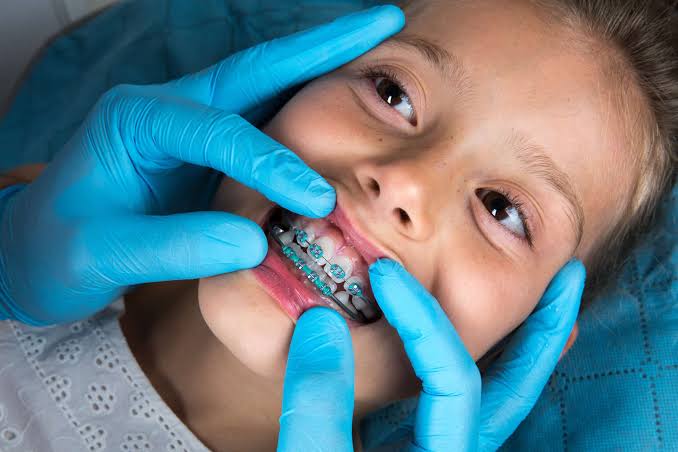
A child’s first orthodontic appointment is usually simple and comfortable.
The visit may include:
- Reviewing dental and medical history
- Examining the teeth and jaws
- Evaluating the bite
- Taking photographs or digital scans if needed
- Reviewing X-rays when appropriate
- Discussing treatment options, if necessary
Parents will have the opportunity to ask questions and understand any recommended next steps.
Can Habits Affect Tooth Alignment?
Certain childhood habits may influence dental and jaw development.
These include:
- Thumb sucking
- Prolonged pacifier use
- Tongue thrusting
- Mouth breathing
- Nail biting
An orthodontic evaluation can help determine whether these habits have affected your child’s developing smile.
How Parents Can Support Healthy Dental Development
Parents can encourage healthy smiles by:
- Scheduling regular dental checkups
- Promoting good brushing and flossing habits
- Offering a balanced, tooth-friendly diet
- Addressing oral habits early
- Seeking an orthodontic evaluation at the recommended age
Routine dental care and orthodontic monitoring work together to support proper oral development.
When Should You Schedule an Appointment?
Consider scheduling an orthodontic consultation if:
- Your child is around seven years old.
- You notice crooked or crowded teeth.
- Bite problems become noticeable.
- Baby teeth are lost very early or much later than expected.
- Your family dentist recommends an orthodontic evaluation.
Early assessment helps identify concerns before they become more difficult to manage.
Dr. Akram Altawachi is an experienced Orthodontist, providing personalized care for patients seeking guidance on teeth alignment, bite correction, and overall smile aesthetics. He offers comprehensive orthodontic care, including braces, clear aligners, Invisalign, and other treatment options tailored to individual needs. For anyone seeking expert guidance on their orthodontic journey, booking a consultation with Dr. Akram Altawachi provides personalized care, informed treatment guidance, and professional support.