Orthodontic treatment has come a long way, offering patients more options than ever before to achieve a straighter, healthier smile. Whether you’re considering treatment for yourself or your child, understanding the available types of braces can help you make an informed decision. Each option has its own advantages, and the right choice depends on your dental needs, lifestyle, and treatment goals. Different Types of Braces and Their Benefits will help you explore the most common orthodontic treatments and understand how they can improve your oral health.
Why Braces Are Important
Braces do more than improve the appearance of your smile. Properly aligned teeth can contribute to better oral health and overall function.
Orthodontic treatment can help:
- Correct crooked teeth
- Improve bite alignment
- Reduce overcrowding
- Close gaps between teeth
- Improve chewing and speech
- Make teeth easier to clean
- Reduce the risk of tooth wear and gum problems
A well-aligned smile can also boost confidence and self-esteem.
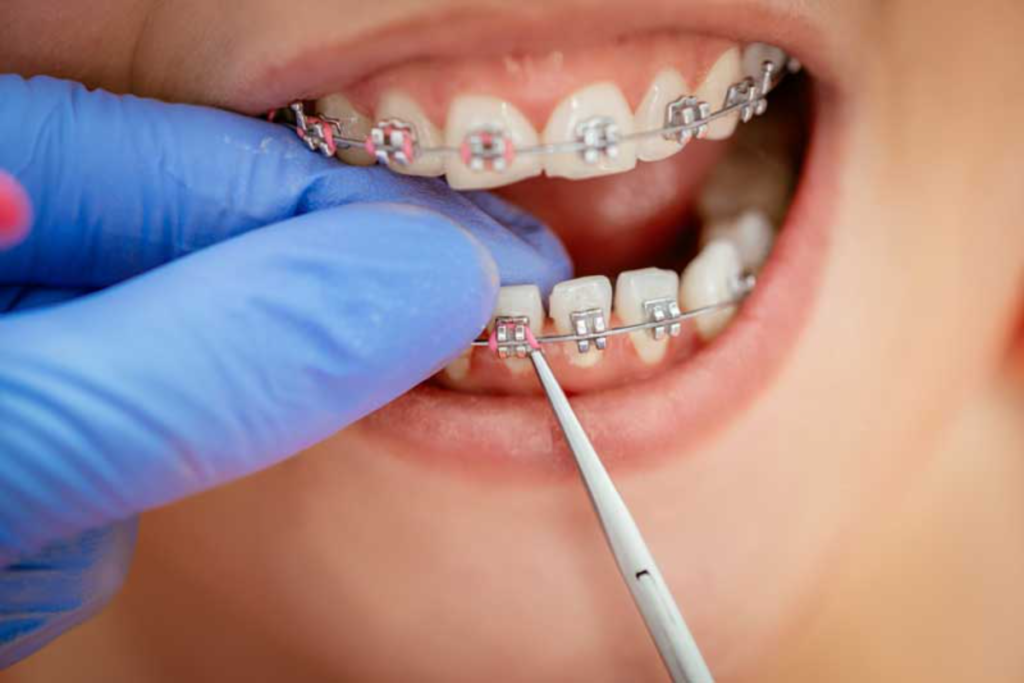
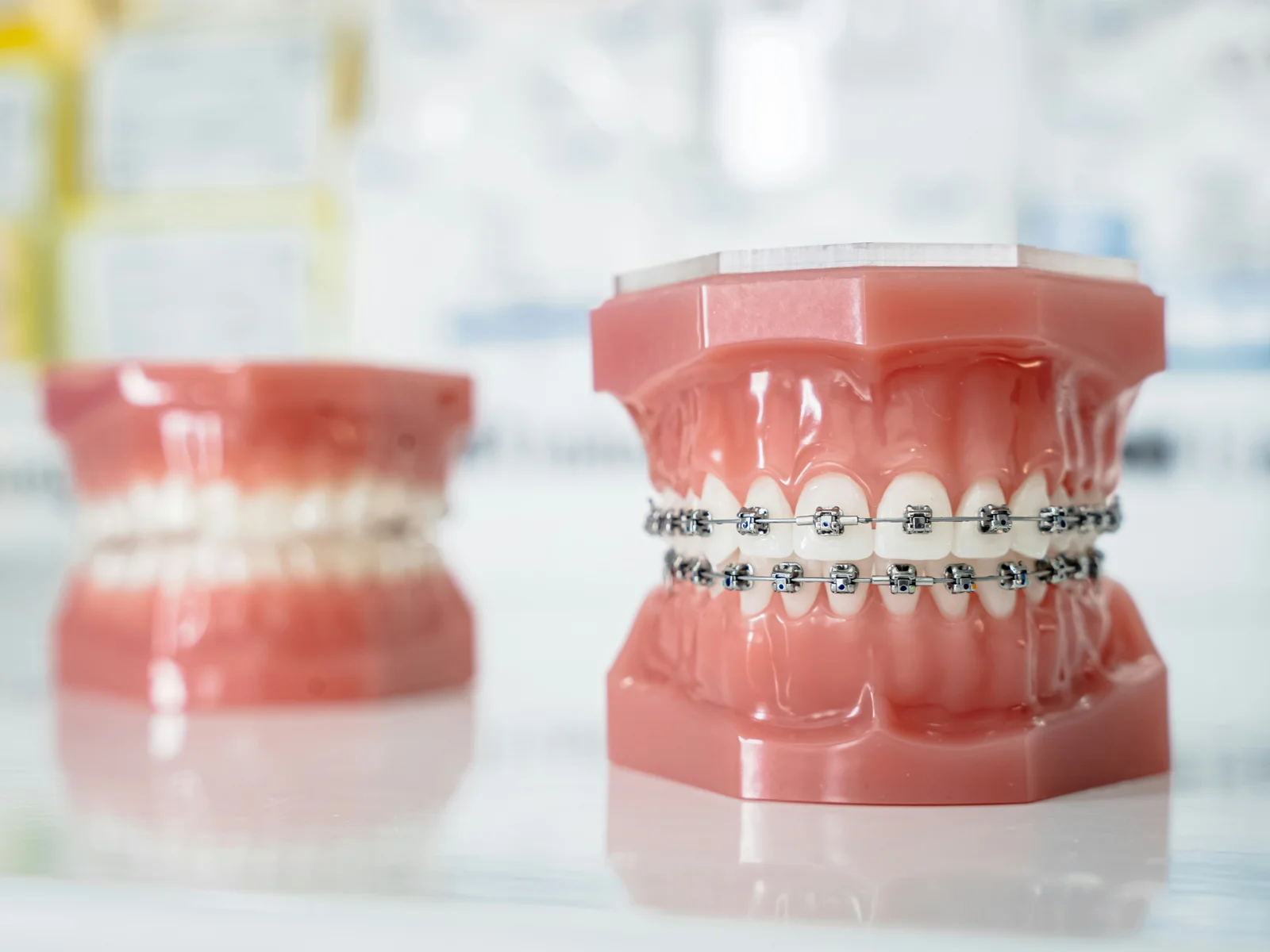
Traditional Metal Braces
Traditional metal braces are one of the most common and effective orthodontic treatment options.
They consist of:
- Metal brackets attached to the teeth
- Archwires that gradually move the teeth
- Small elastic bands that help guide tooth movement
Benefits of Metal Braces
- Highly effective for simple and complex cases
- Durable and reliable
- Suitable for children, teenagers, and adults
- Often one of the most cost-effective treatment options
- Continuously improved for greater comfort and smaller bracket size
Metal braces remain a trusted solution for many orthodontic concerns.
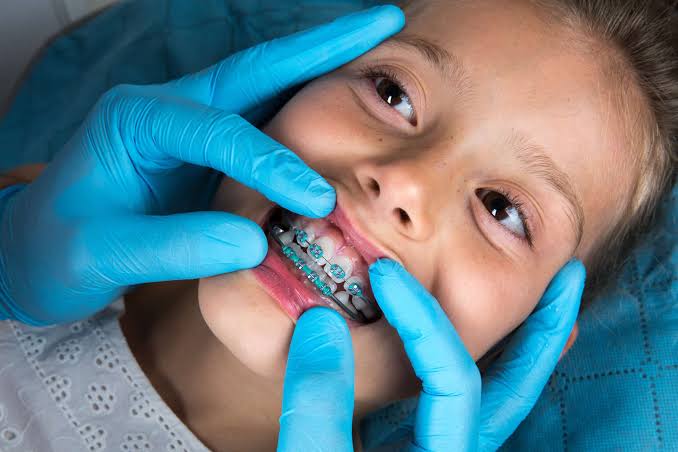
Ceramic Braces
Ceramic braces work similarly to traditional braces but use tooth-colored or clear brackets that blend more naturally with the teeth.
Benefits of Ceramic Braces
- Less noticeable than metal braces
- Effective for many orthodontic cases
- Suitable for patients seeking a more discreet appearance
- Offer similar treatment outcomes to traditional braces in many situations
Ceramic braces may require extra care to keep the brackets looking clean throughout treatment.
Self-Ligating Braces
Self-ligating braces use a built-in clip or sliding mechanism instead of elastic bands to hold the archwire in place.
Benefits of Self-Ligating Braces
- Reduced friction between the wire and brackets
- Easier to clean due to fewer elastic ties
- Fewer adjustments may be needed
- Comfortable tooth movement for many patients
- Available in both metal and ceramic versions
Your orthodontist will determine whether this option is suitable for your specific case.
Lingual Braces
Lingual braces are attached to the back (tongue side) of the teeth, making them virtually invisible from the front.
Benefits of Lingual Braces
- Hidden from view during everyday activities
- Custom-made for each patient
- Effective for many orthodontic concerns
- Suitable for patients who prefer a discreet treatment option
Because they are placed behind the teeth, they may require an adjustment period for speech and tongue comfort.
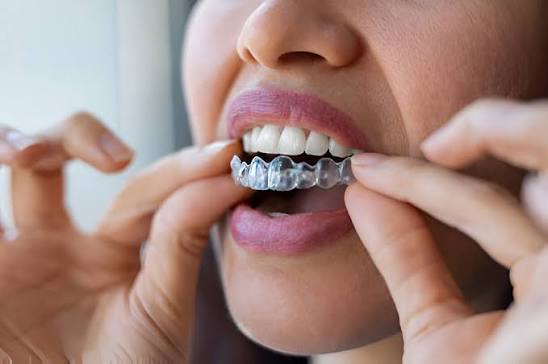
Clear Aligners
Clear aligners are removable, transparent trays that gradually move teeth into their desired position.
They are custom-made and replaced every few weeks as treatment progresses.
Benefits of Clear Aligners
- Nearly invisible appearance
- Removable for eating and brushing
- Comfortable with no metal brackets or wires
- Easy to maintain oral hygiene
- Suitable for many mild to moderate orthodontic cases
Successful treatment depends on wearing the aligners for the recommended number of hours each day.
Which Type of Braces Is Best?
Understanding Different Types of Braces and Their Benefits means recognizing that there is no single “best” option for everyone.
The ideal treatment depends on factors such as:
- Age
- Severity of tooth misalignment
- Bite problems
- Oral health
- Lifestyle preferences
- Treatment goals
- Budget
A comprehensive orthodontic evaluation helps determine the most appropriate treatment plan.
Factors to Consider Before Choosing Braces
Before beginning treatment, discuss the following with your orthodontist:
- Estimated treatment duration
- Maintenance requirements
- Appearance preferences
- Oral hygiene considerations
- Follow-up appointments
- Total treatment costs
- Retainer requirements after treatment
These discussions help you choose the option that best fits your needs.
Caring for Your Braces
Regardless of the type of braces you choose, good oral hygiene is essential.
During treatment:
- Brush after every meal when possible.
- Floss daily using recommended orthodontic tools.
- Attend regular orthodontic appointments.
- Avoid hard and sticky foods if advised.
- Wear any prescribed elastics as instructed.
Proper care helps prevent cavities, gum disease, and treatment delays.
What Happens After Braces?
After active treatment is complete, most patients will need retainers to help maintain their new smile.
Retainers help:
- Prevent teeth from shifting
- Preserve treatment results
- Support long-term alignment
Your orthodontist will provide instructions on when and how to wear your retainer.
When Should You Visit an Orthodontist?
Consider scheduling an orthodontic consultation if you notice:
- Crooked or crowded teeth
- Gaps between teeth
- Difficulty biting or chewing
- Jaw discomfort
- Bite problems
- Concerns about your smile
Early evaluation can help identify the most appropriate time to begin treatment.
Dr. Akram Altawachi is an experienced Orthodontist, providing personalized care for patients seeking guidance on teeth alignment, bite correction, and overall smile aesthetics. He offers comprehensive orthodontic care, including braces, clear aligners, Invisalign, and other treatment options tailored to individual needs. For anyone seeking expert guidance on their orthodontic journey, booking a consultation with Dr. Akram Altawachi provides personalized care, informed treatment guidance, and professional support.