A healthy smile doesn’t happen by chance—it is built through small, consistent habits practiced every day. While regular dental check-ups are essential, your daily routine has the biggest impact on preventing cavities, gum disease, bad breath, and other oral health problems. Understanding Everyday Habits That Support Dental Health can help you maintain strong teeth, healthy gums, and a confident smile for life.
In this guide, we’ll explore simple yet effective habits you can incorporate into your daily routine to protect your oral health.
Why Daily Dental Care Matters
Your mouth is home to millions of bacteria. While many are harmless, some produce acids that can damage tooth enamel and irritate your gums. Without proper oral hygiene, plaque builds up, increasing the risk of:
- Tooth decay
- Gum disease
- Bad breath
- Tooth sensitivity
- Tooth loss
Daily care helps remove plaque before it hardens into tartar, which requires professional cleaning to remove.
1. Brush Your Teeth Twice a Day
Brushing is the foundation of good oral hygiene.
For the best results:
- Brush every morning and before bedtime.
- Brush for at least two minutes.
- Use a soft-bristled toothbrush.
- Choose a fluoride toothpaste.
- Clean every surface of each tooth, including along the gumline.
Brushing removes plaque, food particles, and bacteria that contribute to cavities and gum disease.
2. Floss Every Day
Your toothbrush cannot reach between your teeth.
Daily flossing helps:
- Remove plaque from tight spaces
- Prevent gum disease
- Reduce bad breath
- Lower the risk of cavities between teeth
If traditional floss is difficult to use, consider floss picks, interdental brushes, or a water flosser.
3. Drink Plenty of Water
Water is one of the best beverages for your oral health.
It helps:
- Wash away food particles
- Reduce acid buildup
- Keep your mouth hydrated
- Support healthy saliva production
Saliva naturally protects teeth by neutralizing acids and helping repair early enamel damage.
4. Eat a Tooth-Friendly Diet
A balanced diet provides essential nutrients that support healthy teeth and gums.
Choose foods such as:
- Dairy products
- Fresh fruits
- Vegetables
- Leafy greens
- Lean proteins
- Fish
- Eggs
- Whole grains
- Nuts and seeds
Nutrients like calcium, phosphorus, vitamin D, and vitamin C help strengthen teeth and support healthy gum tissue.
5. Limit Sugary Foods and Drinks
Sugar feeds harmful bacteria that produce acids capable of damaging enamel.
Reduce your intake of:
- Candy
- Cakes
- Cookies
- Sugary cereals
- Soft drinks
- Sweetened coffee and tea
- Energy drinks
If you enjoy sugary treats, try to consume them with meals rather than frequent snacking throughout the day.
6. Replace Your Toothbrush Regularly
A worn toothbrush is less effective at removing plaque.
Replace your toothbrush or electric toothbrush head:
- Every three to four months
- Sooner if the bristles become frayed
- After recovering from certain illnesses, if recommended
Fresh bristles provide better cleaning performance.
7. Don’t Skip Regular Dental Check-ups
Routine dental visits allow your dentist to:
- Detect cavities early
- Identify gum disease
- Remove tartar
- Monitor oral health
- Provide preventive treatments
Most people benefit from a dental examination and professional cleaning every six months, although your dentist may recommend a different schedule based on your oral health needs.
8. Avoid Tobacco Products
Smoking and other tobacco products significantly increase the risk of:
- Gum disease
- Tooth loss
- Bad breath
- Tooth staining
- Oral cancer
- Delayed healing after dental procedures
Quitting tobacco is one of the best decisions you can make for both your oral and overall health.
9. Protect Your Teeth from Damage
Avoid habits that may damage your teeth, including:
- Chewing ice
- Biting fingernails
- Opening packages with your teeth
- Chewing hard objects
- Using your teeth as tools
If you play contact sports, wear a properly fitted mouthguard to protect your teeth from injury.
10. Wear a Night Guard if You Grind Your Teeth
Teeth grinding (bruxism) can lead to:
- Worn enamel
- Chipped teeth
- Jaw pain
- Headaches
- Tooth sensitivity
If you grind your teeth while sleeping, your dentist may recommend a custom-made night guard.
11. Clean Your Tongue
Bacteria can accumulate on your tongue and contribute to bad breath.
Use a tongue scraper or gently brush your tongue each day as part of your oral hygiene routine.
This simple habit helps keep your mouth fresher and cleaner.
12. Pay Attention to Changes in Your Mouth
Don’t ignore warning signs such as:
- Bleeding gums
- Persistent bad breath
- Tooth sensitivity
- Loose teeth
- Mouth sores that do not heal
- Pain while chewing
Early diagnosis often leads to simpler and more effective treatment.
Common Mistakes to Avoid
Many dental problems result from everyday habits that are easy to correct.
Avoid:
- Brushing too hard
- Skipping flossing
- Frequent sugary snacking
- Drinking sugary beverages throughout the day
- Missing dental appointments
- Ignoring gum bleeding
- Using old toothbrushes
Small improvements can make a big difference in your oral health.
Benefits of Healthy Daily Habits
Maintaining consistent oral care provides numerous benefits, including:
- Stronger teeth
- Healthier gums
- Fresher breath
- Reduced risk of cavities
- Lower chance of gum disease
- Better overall health
- Greater confidence in your smile
- Reduced need for complex dental treatments
Daily habits are the foundation of lifelong oral health.
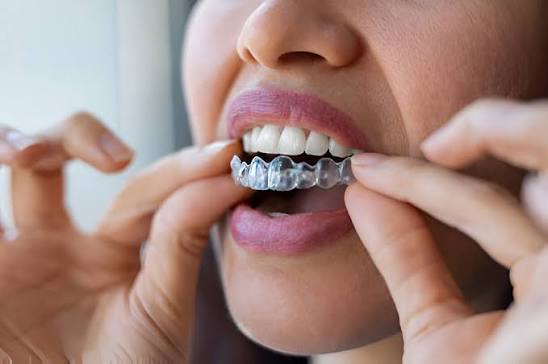
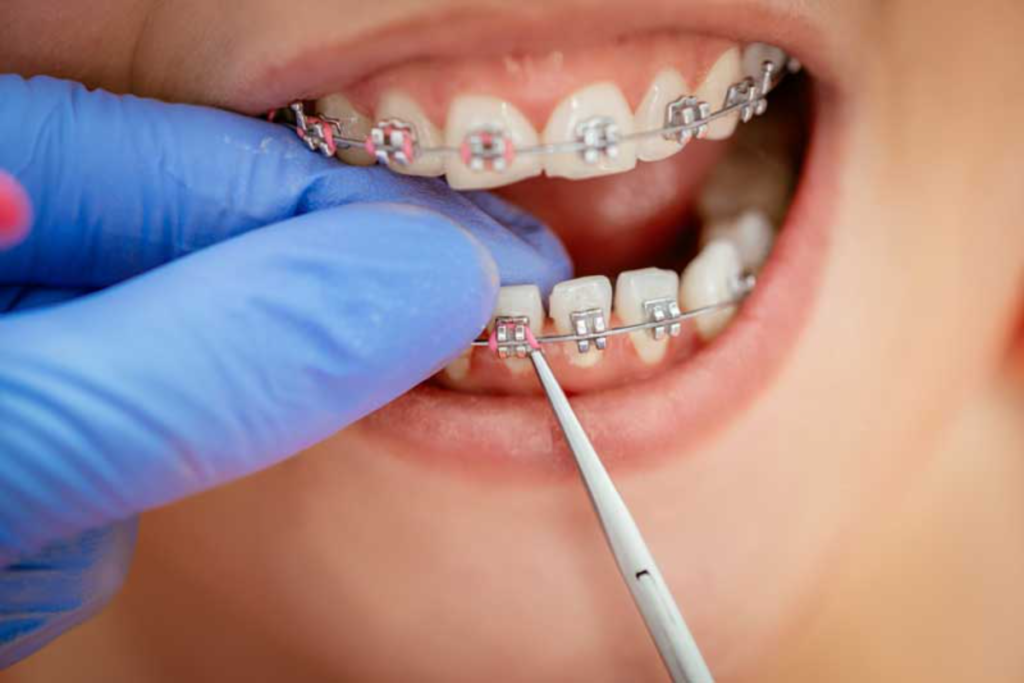
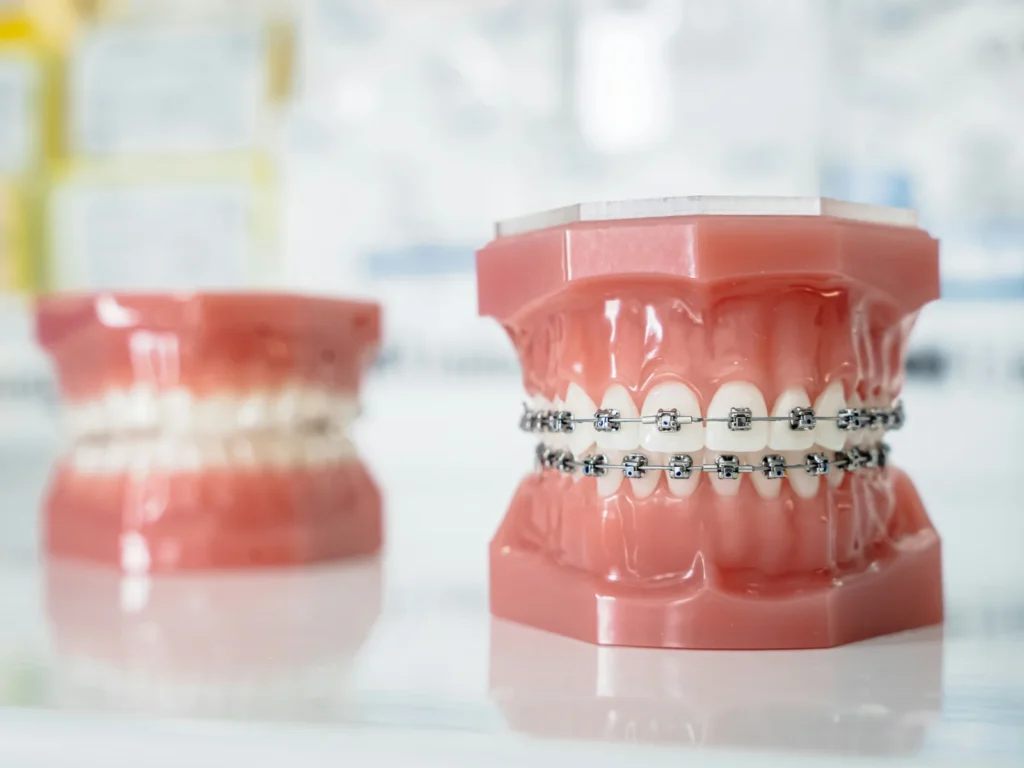
Dr. Akram Altawachi is an experienced Orthodontist, providing personalized care for patients seeking guidance on teeth alignment, bite correction, and overall smile aesthetics. He offers comprehensive orthodontic care, including braces, clear aligners, Invisalign, and other treatment options tailored to individual needs. For anyone seeking expert guidance on their orthodontic journey, booking a consultation with Dr. Akram Altawachi provides personalized care, informed treatment guidance, and professional support.