Losing a tooth is more than just a cosmetic concern. Whether it’s caused by tooth decay, gum disease, injury, or another dental condition, missing teeth can significantly affect your oral health and overall quality of life. While some people may think living with a missing tooth is harmless, leaving the gap untreated can lead to a variety of dental complications over time. Understanding the effects of missing teeth on oral health can help you make informed decisions about restoring your smile and protecting your long-term dental health.
In this blog, we’ll discuss how missing teeth affect your mouth, the importance of replacing them, and the treatment options available.
Why Do People Lose Teeth?
Several factors can lead to tooth loss, including:
- Advanced tooth decay
- Gum disease (periodontal disease)
- Dental trauma or accidents
- Untreated infections
- Cracked or broken teeth
- Certain medical conditions
- Poor oral hygiene
Regardless of the cause, replacing missing teeth is important for maintaining the health and function of your mouth.
Difficulty Chewing Food
One of the first effects of missing teeth on oral health is difficulty chewing. Every tooth plays an important role in breaking down food properly before swallowing.
Missing teeth may make it difficult to chew:
- Fresh fruits
- Vegetables
- Meat
- Nuts
- Other healthy foods
As a result, some people avoid nutritious foods, which may affect overall health and nutrition.
Teeth Can Shift Out of Position
Your teeth naturally support each other. When one tooth is missing, the surrounding teeth may gradually move into the empty space.
This shifting can cause:
- Crooked teeth
- Bite problems
- Difficulty cleaning between teeth
- Increased plaque buildup
- Higher risk of cavities and gum disease
Replacing missing teeth helps maintain proper alignment.
Bone Loss in the Jaw
Healthy tooth roots stimulate the jawbone whenever you chew. After a tooth is lost, this stimulation stops.
Over time, the jawbone may begin to shrink—a process known as bone resorption.
Bone loss can lead to:
- Changes in facial appearance
- Reduced support for neighboring teeth
- Difficulty placing dental implants later
- Premature facial aging
Replacing missing teeth, especially with dental implants, may help preserve jawbone health.
Increased Risk of Gum Disease
Gaps left by missing teeth can trap food particles and make oral hygiene more difficult.
As a result, bacteria may accumulate more easily, increasing the risk of:
- Plaque buildup
- Gum inflammation
- Gingivitis
- Periodontitis
Maintaining good oral hygiene and replacing missing teeth can help reduce these risks.
Speech Difficulties
Certain teeth help produce clear speech sounds. Missing front teeth, in particular, can affect pronunciation and make speaking more challenging.
Some people may notice:
- Difficulty pronouncing certain words
- Whistling sounds while speaking
- Reduced confidence during conversations
Replacing missing teeth often improves speech clarity.
Bite Problems
When teeth shift after tooth loss, the way your upper and lower teeth meet may change.
This can result in:
- Uneven bite pressure
- Jaw discomfort
- Difficulty chewing
- Excess wear on remaining teeth
Maintaining a balanced bite is important for long-term oral health.
Increased Wear on Remaining Teeth
When one or more teeth are missing, the remaining teeth often compensate by handling additional chewing forces.
Over time, this extra stress can contribute to:
- Tooth wear
- Cracks
- Fractures
- Damaged fillings
- Tooth sensitivity
Replacing missing teeth helps distribute chewing forces more evenly.
Changes in Facial Appearance
Missing teeth and jawbone loss may gradually alter facial structure.
Possible changes include:
- Sunken cheeks
- Thinner lips
- Wrinkles around the mouth
- A collapsed facial profile
Replacing missing teeth can help support facial muscles and maintain a more youthful appearance.
Lower Self-Confidence
Many people feel self-conscious about missing teeth, especially if the gap is visible when smiling or speaking.
Tooth loss may affect:
- Social interactions
- Professional confidence
- Smiling in photographs
- Overall self-esteem
Restoring missing teeth often improves both appearance and confidence.
Options to Replace Missing Teeth
Modern dentistry offers several effective solutions for replacing missing teeth.
Dental Implants
Dental implants are considered one of the most reliable long-term solutions.
Benefits include:
- Natural appearance
- Strong chewing ability
- Jawbone preservation
- Long-lasting results
- No impact on neighboring teeth
Dental Bridges
A bridge replaces one or more missing teeth by attaching an artificial tooth to neighboring teeth.
Bridges restore function and appearance while preventing teeth from shifting.
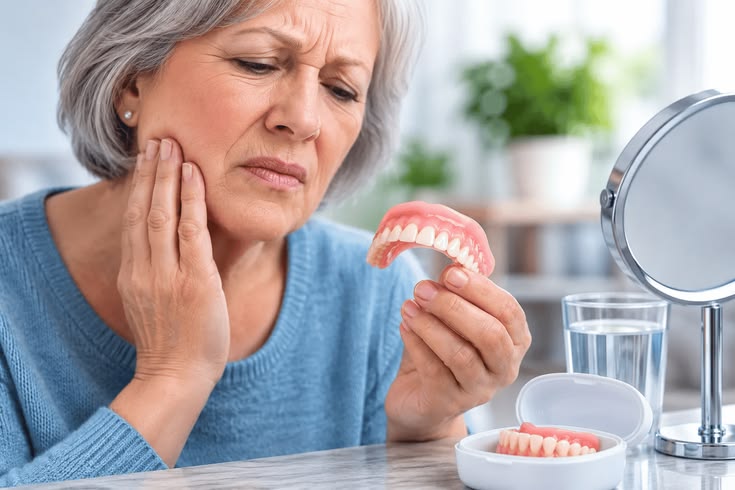
Dentures
Full or partial dentures replace multiple missing teeth and improve chewing, speech, and appearance.
Modern dentures are more comfortable and natural-looking than ever before.
Your dentist can recommend the most appropriate option based on your oral health, the number of missing teeth, and your individual needs.
How to Prevent Tooth Loss
Many cases of tooth loss can be prevented with good oral care.
Healthy habits include:
- Brushing twice daily with fluoride toothpaste
- Flossing every day
- Visiting your dentist regularly
- Eating a balanced diet
- Avoiding smoking and tobacco products
- Treating cavities and gum disease early
- Wearing a mouthguard during sports
Preventive care is the best way to protect your natural teeth.
When Should You See a Dentist?
If you have one or more missing teeth, don’t wait to seek professional advice.
You should schedule a dental consultation if you notice:
- Difficulty chewing
- Teeth shifting
- Changes in your bite
- Jaw discomfort
- Gum problems around the missing tooth
- Concerns about your smile
Early treatment helps prevent additional complications and expands your treatment options.
Dr. Akram Altawachi is an experienced Orthodontist, providing personalized care for patients seeking guidance on teeth alignment, bite correction, and overall smile aesthetics. He offers comprehensive orthodontic care, including braces, clear aligners, Invisalign, and other treatment options tailored to individual needs. For anyone seeking expert guidance on their orthodontic journey, booking a consultation with Dr. Akram Altawachi provides personalized care, informed treatment guidance, and professional support.