Smoking is widely recognized for its harmful effects on the lungs and heart, but many people are unaware of the significant damage it can cause to oral health. Tobacco use affects nearly every part of the mouth, including the teeth, gums, tongue, and jawbone. Over time, smoking can increase the risk of gum disease, tooth loss, bad breath, delayed healing, and oral cancer. Understanding the Effects of Smoking on Dental Health can help individuals make informed decisions about protecting their smile and improving their overall well-being.
How Smoking Affects Oral Health
Cigarettes and other tobacco products contain harmful chemicals that reduce blood flow to the gums, weaken the immune system, and create an environment where harmful bacteria can thrive. As a result, smokers are more likely to develop dental and gum problems than non-smokers.
The Effects of Smoking on Dental Health may develop gradually, often without noticeable symptoms in the early stages. Regular dental checkups are essential for identifying problems before they become severe.
Increased Risk of Gum Disease
One of the most serious Effects of Smoking on Dental Health is an increased risk of gum disease. Smoking weakens the body’s ability to fight infection and slows the healing process, making it easier for bacteria to damage the gums and supporting tissues around the teeth.
Signs of gum disease may include:
- Red or swollen gums
- Bleeding gums
- Gum recession
- Persistent bad breath
- Loose teeth in advanced stages
Without treatment, gum disease can lead to tooth loss and affect overall oral health.
Tooth Staining and Discoloration
Nicotine and tar in tobacco products can stain tooth enamel, causing yellow, brown, or dark-colored teeth over time.
Unlike surface stains caused by coffee or tea, tobacco stains can become deeply embedded in the enamel and may require professional dental cleaning or cosmetic treatments to improve their appearance.
Quitting smoking helps prevent further staining and supports a brighter smile.
Persistent Bad Breath
Smoking often contributes to chronic bad breath, also known as halitosis.
Several factors contribute to this problem, including:
- Dry mouth
- Tobacco residue
- Increased bacterial growth
- Gum disease
- Reduced saliva production
Maintaining good oral hygiene may help, but quitting smoking is one of the most effective ways to improve breath freshness.
Delayed Healing After Dental Procedures
Healthy blood circulation is essential for proper healing. Smoking reduces blood flow to the gums, slowing the body’s ability to repair damaged tissues.
As a result, smokers may experience delayed healing after:
- Tooth extractions
- Gum treatments
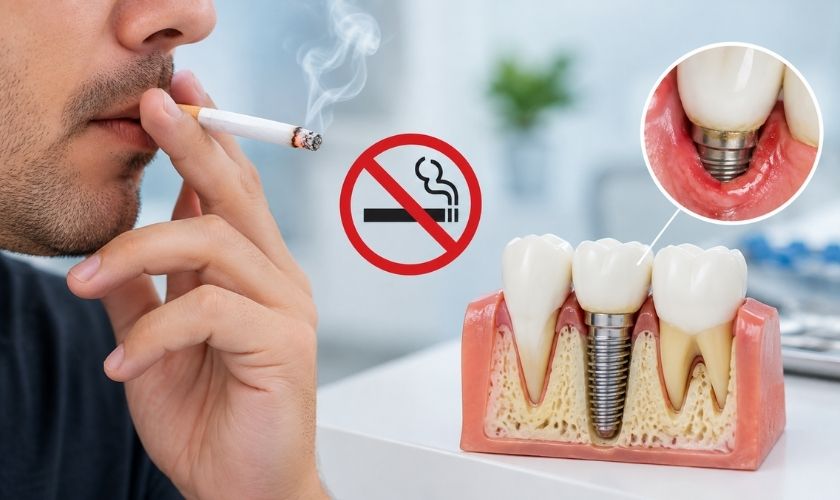
- Dental implant surgery
- Oral surgery
- Periodontal procedures
Following your dentist’s instructions and avoiding smoking during the healing period can improve recovery.
Increased Risk of Tooth Loss
Advanced gum disease is one of the leading causes of tooth loss in adults, and smoking significantly increases this risk.
Damage to the gums and jawbone weakens the support around the teeth, making them more likely to become loose over time.
Preventive dental care, excellent oral hygiene, and smoking cessation can help preserve natural teeth.
Higher Risk of Oral Cancer
Smoking is one of the major risk factors for oral cancer.
Oral cancer can affect:
- Lips
- Tongue
- Gums
- Floor of the mouth
- Cheeks
- Roof of the mouth
- Throat
Warning signs may include:
- Persistent mouth sores
- White or red patches
- Lumps
- Difficulty swallowing
- Unexplained bleeding
- Persistent pain
Routine dental examinations often include an oral cancer screening, helping identify abnormal changes early. Any persistent symptoms should be evaluated promptly by a healthcare professional.
Smoking Can Affect Dental Treatments
Smoking may reduce the success of certain dental procedures.
For example, it can:
- Slow healing after surgery
- Increase the risk of implant complications
- Reduce the effectiveness of periodontal treatment
- Increase the likelihood of recurrent gum disease
Patients who quit smoking often experience improved treatment outcomes and better long-term oral health.
Benefits of Quitting Smoking for Your Oral Health
Although some damage from smoking may not be reversible, quitting tobacco provides significant benefits for oral health.
After quitting, many people experience:
- Improved gum health
- Better circulation
- Fresher breath
- Reduced tooth staining over time
- Lower risk of gum disease progression
- Improved healing after dental treatment
- Reduced risk of oral cancer
Every step toward quitting supports both oral and overall health.
Protecting Your Smile
Whether you smoke or have recently quit, maintaining good oral hygiene is essential.
Healthy habits include:
- Brushing twice daily with fluoride toothpaste
- Flossing every day
- Drinking plenty of water
- Eating a balanced diet
- Limiting sugary foods and drinks
- Attending regular dental checkups
- Seeking support if you wish to stop smoking
These habits help reduce the risk of common dental problems and support healthier teeth and gums.
When Should You Visit a Dentist?
Schedule a dental appointment if you notice:
- Bleeding or swollen gums
- Loose teeth
- Persistent bad breath
- Mouth sores lasting longer than two weeks
- Tooth pain
- White or red patches inside the mouth
- Difficulty chewing or swallowing
Early diagnosis allows timely treatment and improves long-term oral health outcomes.
Dr. Akram Altawachi is an experienced Orthodontist, providing personalized care for patients seeking guidance on teeth alignment, bite correction, and overall smile aesthetics. He offers comprehensive orthodontic care, including braces, clear aligners, Invisalign, and other treatment options tailored to individual needs. For anyone seeking expert guidance on their orthodontic journey, booking a consultation with Dr. Akram Altawachi provides personalized care, informed treatment guidance, and professional support.