Maintaining a healthy smile requires more than brushing your teeth every morning and night. While daily oral hygiene forms the foundation of dental health, adding a few simple weekly habits can further protect your teeth and gums from common problems such as cavities, plaque buildup, bad breath, and gum disease. Developing consistent routines makes it easier to maintain excellent oral hygiene and reduce the risk of costly dental treatments. Understanding Weekly Habits for Better Oral Health can help you create a preventive care routine that supports a healthy smile for years to come.
Why Weekly Oral Care Habits Matter
Daily brushing and flossing remove plaque before it hardens into tartar, but weekly oral care habits provide an opportunity to assess your oral health and improve your routine. These habits help you identify potential issues early, replace worn oral care products when needed, and maintain a cleaner, healthier mouth.
Benefits of weekly oral care include:
- Reducing plaque buildup
- Supporting healthy gums
- Preventing tooth decay
- Maintaining fresh breath
- Protecting tooth enamel
- Encouraging lifelong healthy habits
Small weekly efforts can make a significant difference in your long-term oral health.
Check Your Teeth and Gums
Once a week, spend a few extra minutes examining your mouth in a well-lit mirror.
Look for signs such as:
- Red or swollen gums
- Bleeding during brushing or flossing
- White, brown, or black spots on teeth
- Mouth ulcers
- Chipped or cracked teeth
- Gum recession
- Persistent bad breath
Recognizing changes early allows you to seek dental care before problems become more serious.
Clean Your Toothbrush
Your toothbrush removes bacteria from your mouth every day, so keeping it clean is essential.
Each week:
- Rinse the toothbrush thoroughly after every use.
- Allow it to air dry in an upright position.
- Store it separately from other toothbrushes.
- Check for worn or frayed bristles.
Replace your toothbrush every three months, or sooner if the bristles become damaged or after recovering from certain illnesses.
Review Your Brushing Technique
Many people brush every day but may not use the correct technique.
Each week, remind yourself to:
- Brush for at least two minutes.
- Use a soft-bristled toothbrush.
- Clean all tooth surfaces.
- Brush gently using small circular motions.
- Clean your tongue to reduce bacteria and improve breath freshness.
Good technique is just as important as brushing regularly.
Evaluate Your Flossing Routine
Flossing removes plaque and food particles from areas your toothbrush cannot reach.
Once a week, ask yourself:
- Am I flossing every day?
- Am I cleaning between every tooth?
- Are my gums bleeding frequently?
If flossing is difficult, consider floss picks or a water flosser after discussing the best option with your dentist.
Choose Healthier Snacks
A weekly review of your eating habits can benefit your oral health.
Try replacing sugary snacks with healthier alternatives such as:
- Fresh fruit
- Cheese
- Yogurt
- Raw vegetables
- Unsalted nuts
- Whole-grain snacks
Limiting sugary and sticky foods helps reduce acid attacks that can weaken tooth enamel and cause cavities.
Stay Hydrated Throughout the Week
Drinking enough water supports saliva production, which naturally helps protect your teeth.
Water helps:
- Wash away food particles
- Neutralize harmful acids
- Reduce dry mouth
- Support healthy gums
- Maintain fresh breath
Keeping a reusable water bottle nearby can help you stay hydrated every day.
Clean Oral Care Accessories
If you use additional oral hygiene products, clean them regularly.
Examples include:
- Water flosser reservoirs
- Retainers
- Mouthguards
- Denture storage containers
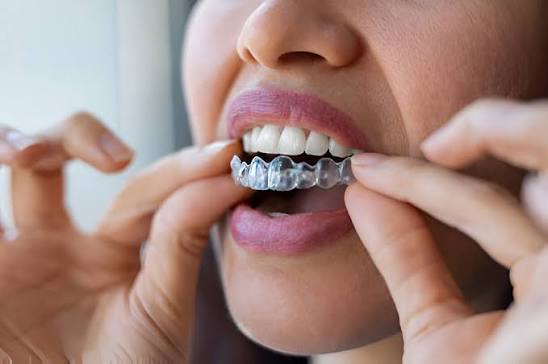
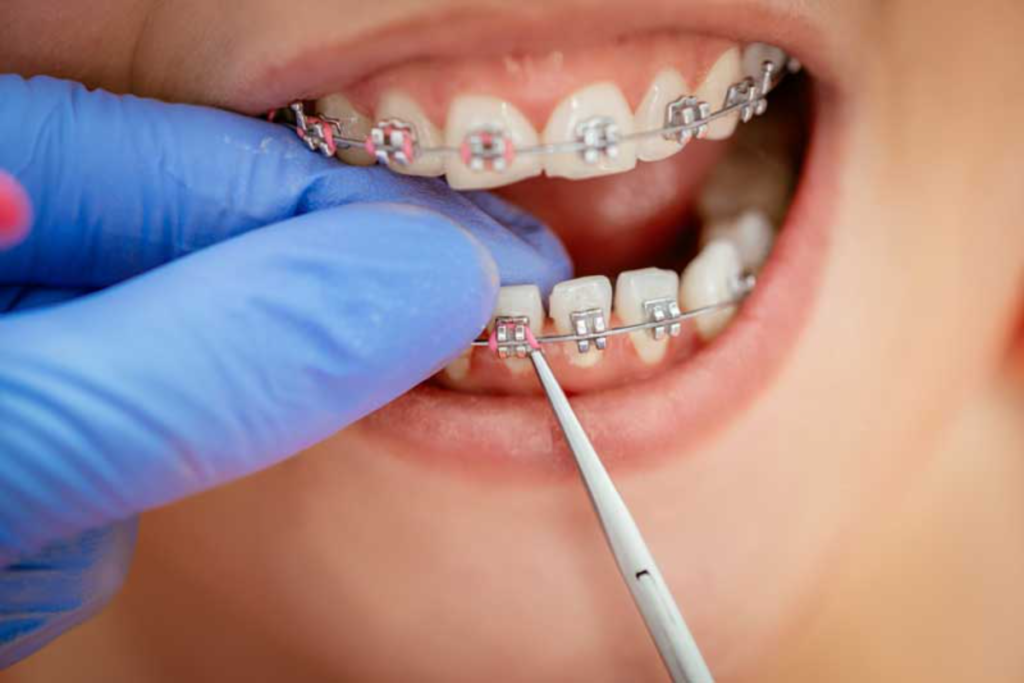
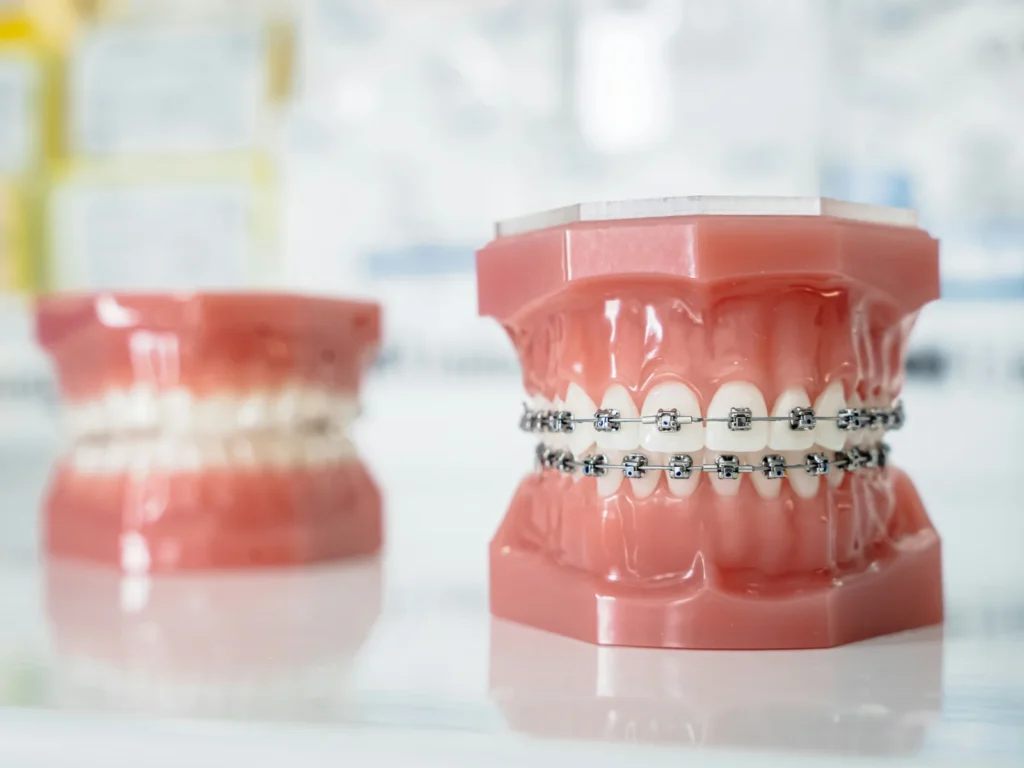
- Orthodontic appliances
Following the manufacturer’s cleaning instructions helps prevent bacterial buildup and extends the life of these devices.
Limit Harmful Habits
Each week, consider whether any habits may be affecting your oral health.
Try to reduce or avoid:
- Smoking or tobacco use
- Excessive alcohol consumption
- Chewing ice
- Biting fingernails
- Using your teeth to open packages
Avoiding these habits helps protect your teeth, gums, and dental restorations.
Plan for Regular Dental Visits
Weekly routines are also a good time to check whether you are due for a dental examination or professional cleaning.
Routine dental visits allow your dentist to:
- Detect cavities early
- Monitor gum health
- Remove plaque and tartar
- Evaluate existing fillings or crowns
- Provide preventive care
- Offer personalized oral hygiene advice
Scheduling appointments before problems develop is one of the best ways to maintain a healthy smile.
Build Healthy Habits for the Whole Family
Oral health is easier to maintain when the entire family participates.
Weekly family habits may include:
- Checking children’s brushing technique
- Replacing worn toothbrushes when needed
- Preparing healthy snacks
- Encouraging water instead of sugary drinks
- Discussing the importance of oral hygiene
- Planning upcoming dental appointments
These shared routines help children develop lifelong oral care habits.
Dr. Akram Altawachi is an experienced Orthodontist, providing personalized care for patients seeking guidance on teeth alignment, bite correction, and overall smile aesthetics. He offers comprehensive orthodontic care, including braces, clear aligners, Invisalign, and other treatment options tailored to individual needs. For anyone seeking expert guidance on their orthodontic journey, booking a consultation with Dr. Akram Altawachi provides personalized care, informed treatment guidance, and professional support.