Tooth sensitivity is a common dental concern that affects people of all ages. If you experience a sharp, temporary pain when eating ice cream, drinking hot coffee, or brushing your teeth, you may have sensitive teeth. While occasional sensitivity is common, persistent discomfort should not be ignored. The good news is that there are several effective ways to reduce sensitivity and protect your teeth. Understanding How to Protect Sensitive Teeth can help you maintain a healthy smile while enjoying your favorite foods and drinks with greater comfort.
What Causes Tooth Sensitivity?
Tooth sensitivity usually occurs when the protective enamel wears down or when the gums recede, exposing the underlying dentin. Dentin contains tiny channels that connect to the tooth’s nerve, making the tooth more responsive to temperature changes and certain foods.
Common causes of sensitive teeth include:
- Worn tooth enamel
- Gum recession
- Tooth decay
- Cracked or chipped teeth
- Teeth grinding (bruxism)
- Aggressive brushing
- Acidic foods and beverages
- Recent dental treatments
Identifying the underlying cause is the first step toward effective treatment.
Common Symptoms of Sensitive Teeth
People with tooth sensitivity may notice:
- Sharp pain when eating hot or cold foods
- Discomfort when drinking hot coffee or cold beverages
- Sensitivity to sweet or acidic foods
- Pain while brushing or flossing
- Occasional discomfort when breathing in cold air
If these symptoms become frequent or severe, it is important to consult a dentist.
Use Toothpaste for Sensitive Teeth
One of the simplest ways to reduce discomfort is by using toothpaste specifically formulated for sensitive teeth.
These products help:
- Reduce sensitivity over time
- Protect exposed dentin
- Strengthen tooth enamel
- Improve comfort during eating and drinking
Use the toothpaste consistently as directed, as it may take several weeks to notice significant improvement.
Brush Gently
Brushing too hard can wear away enamel and contribute to gum recession, increasing tooth sensitivity.
For healthier brushing:
- Use a soft-bristled toothbrush.
- Brush gently using small circular motions.
- Avoid scrubbing aggressively.
- Brush twice a day with fluoride toothpaste.
Replacing your toothbrush every three months helps ensure effective cleaning without damaging the teeth or gums.
Don’t Skip Flossing
Healthy gums protect the roots of your teeth. Daily flossing removes plaque between teeth and along the gumline, helping prevent gum disease and gum recession.
Flossing also helps:
- Reduce inflammation
- Maintain healthy gums
- Lower the risk of cavities
- Support long-term oral health
Gentle flossing is important to avoid injuring the gums.
Limit Acidic Foods and Drinks
Acidic foods and beverages can gradually erode tooth enamel, making teeth more sensitive.
Try to reduce:
- Soft drinks
- Citrus fruits and juices
- Sports drinks
- Energy drinks
- Vinegar-based foods
- Sour candies
If you consume acidic foods or drinks, rinse your mouth with water afterward. Wait about 30 minutes before brushing to allow enamel to recover.
Protect Your Teeth From Grinding
Teeth grinding, especially during sleep, can wear down enamel and increase sensitivity.
Signs of grinding include:
- Worn teeth
- Jaw pain
- Morning headaches
- Chipped teeth
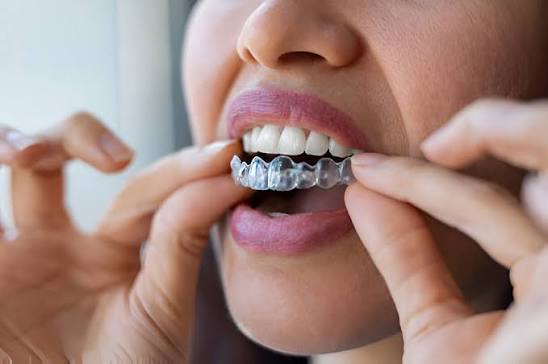
If you suspect you grind your teeth, your dentist may recommend a custom-made night guard to help protect them.
Maintain Good Oral Hygiene
A strong daily oral care routine helps prevent many of the conditions that contribute to tooth sensitivity.
Healthy habits include:
- Brushing twice daily with fluoride toothpaste
- Flossing every day
- Cleaning your tongue
- Drinking plenty of water
- Limiting sugary snacks
- Replacing your toothbrush regularly
Good oral hygiene supports healthy enamel and gums.
Visit Your Dentist Regularly
Routine dental checkups help identify the cause of tooth sensitivity before it becomes more serious.
Your dentist may recommend:
- Fluoride treatments
- Dental sealants for exposed areas
- Bonding agents to cover exposed dentin
- Treatment for cavities or cracked teeth
- Gum care if recession is present
- Personalized oral hygiene advice
Professional evaluation ensures you receive the most appropriate care for your specific condition.
When Should You See a Dentist?
Schedule a dental appointment if you experience:
- Persistent tooth sensitivity
- Sharp pain that lasts after eating or drinking
- Sensitivity affecting only one tooth
- Swollen gums
- Tooth pain while biting
- Cracked or broken teeth
- Bleeding gums
Sensitivity can sometimes indicate an underlying dental problem that requires prompt treatment.
Healthy Habits That Help Protect Sensitive Teeth
In addition to good oral hygiene, these habits can help maintain healthy teeth:
- Eat a balanced diet rich in calcium and vitamin D.
- Drink plenty of water throughout the day.
- Avoid chewing ice or hard objects.
- Wear a mouthguard during contact sports.
- Avoid using your teeth to open packages.
- Quit smoking if you use tobacco products.
These simple lifestyle choices help preserve enamel and reduce the risk of future dental problems.
Dr. Akram Altawachi is an experienced Orthodontist, providing personalized care for patients seeking guidance on teeth alignment, bite correction, and overall smile aesthetics. He offers comprehensive orthodontic care, including braces, clear aligners, Invisalign, and other treatment options tailored to individual needs. For anyone seeking expert guidance on their orthodontic journey, booking a consultation with Dr. Akram Altawachi provides personalized care, informed treatment guidance, and professional support.