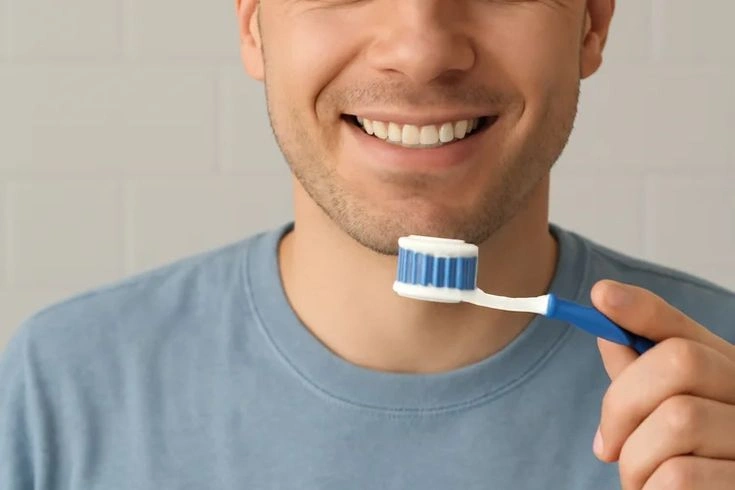
Choosing the right toothbrush is an important part of maintaining good oral hygiene. Although toothbrushes may look similar, they come in different sizes, shapes, bristle types, and designs. Selecting the right one can make brushing more comfortable and help you clean your teeth and gums effectively.
A good toothbrush should suit your mouth, brushing technique, age, and individual dental needs. Whether you prefer a manual or electric toothbrush, using it correctly and consistently is more important than choosing the most expensive option.
Choose Soft Bristles
For most people, a toothbrush with soft bristles is a suitable choice. Soft bristles can clean plaque from teeth and along the gumline without unnecessary irritation when used with gentle pressure.
Medium or hard bristles are not automatically better at cleaning. Brushing too aggressively with firm bristles may contribute to gum irritation and tooth surface wear.
When choosing a toothbrush, look for one labeled as soft or extra-soft, particularly if your gums are sensitive.
Select the Right Brush Head Size
The size of the toothbrush head can affect how easily you can reach different areas of your mouth.
A smaller or appropriately sized head can make it easier to clean the back teeth and other difficult-to-reach areas. A very large brush head may be uncomfortable and could make certain parts of the mouth harder to access.
Choose a size that allows you to comfortably reach all tooth surfaces without excessive effort.
Consider the Toothbrush Handle
The handle should feel comfortable and secure in your hand. A well-designed handle can make it easier to control the toothbrush and use gentle, precise movements.
People with limited hand movement or difficulty controlling a manual toothbrush may benefit from a toothbrush with a larger or specially designed handle. Comfort and control should be considered when comparing different options.
Manual vs Electric Toothbrushes
Both manual and electric toothbrushes can be effective when used properly.
Manual toothbrushes are simple, affordable, widely available, and easy to replace. They allow you to control the brushing movement and pressure directly.
Electric toothbrushes use powered movements to help clean the teeth. Some models include features such as built-in timers, pressure sensors, and different brushing modes. These features may be helpful for people who have difficulty maintaining consistent brushing technique.
The best choice depends on personal preference, comfort, brushing ability, and dental needs.
Look for a Comfortable Grip
A toothbrush should be easy to hold throughout the entire brushing routine. A comfortable grip can help you maintain better control while cleaning the teeth.
If the handle is slippery or difficult to hold, brushing may become uncomfortable. A toothbrush with an ergonomic design or non-slip grip may be useful for some people.
Choose Age-Appropriate Toothbrushes for Children
Children should use toothbrushes designed for their age group. A child’s toothbrush generally has a smaller head and appropriately sized handle, making it easier to use in a smaller mouth.
Soft bristles are also important for children. Parents may need to supervise younger children and help them brush thoroughly until they develop the coordination required to brush independently.
As children grow, their toothbrush should be changed to a size appropriate for their new stage of development.
Consider Special Dental Needs
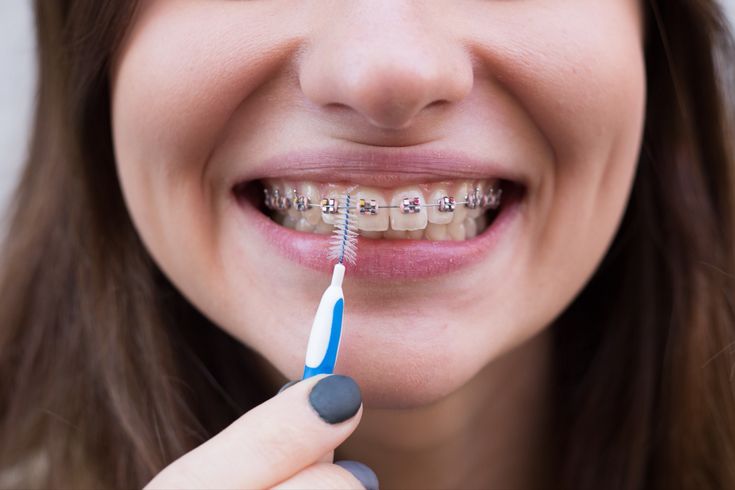
Certain dental conditions or treatments may require specific toothbrush features. People with braces, dental implants, bridges, sensitive gums, or other dental appliances may benefit from specialized toothbrushes or cleaning tools.
For example, orthodontic patients may need to pay extra attention to areas around brackets and wires. An electric toothbrush or specially designed manual brush may make cleaning easier.
If you have a specific dental concern, ask a dental professional which toothbrush style may be most appropriate.
Check for Useful Features
Modern toothbrushes are available with a variety of features. Some electric models include timers that help users brush for an appropriate amount of time. Pressure sensors can alert users when they are brushing too forcefully.
Other toothbrushes may offer different brush heads or cleaning modes.
These features can be useful, but they are not essential for everyone. A basic toothbrush can still provide effective cleaning when it is used correctly and consistently.
Replace Your Toothbrush Regularly
Even the right toothbrush becomes less effective when its bristles become worn. A toothbrush should generally be replaced every three to four months or sooner if the bristles become frayed, bent, or damaged.
Children may need replacement brushes more frequently if they chew on the bristles or use excessive pressure while brushing.
Replacing the toothbrush regularly helps maintain effective cleaning and keeps the brush in good condition.
Store Your Toothbrush Properly
After brushing, rinse the toothbrush thoroughly with water and allow it to air dry. Store it upright when possible and avoid keeping it in a closed container while it is still wet.
Keeping toothbrushes separated can also help prevent unnecessary contact between different brushes in a household.
Focus on Brushing Technique
The right toothbrush cannot replace proper brushing habits. Use gentle, controlled movements and clean the outer, inner, and chewing surfaces of the teeth.
Pay attention to the gumline and difficult-to-reach back teeth. Brushing twice a day with fluoride toothpaste is an important part of a regular oral hygiene routine.
Cleaning between the teeth with floss or another suitable interdental cleaning method can provide additional support.
Dr. Akram Altawachi is an experienced Orthodontist, providing personalized care for patients seeking guidance on teeth alignment, bite correction, and overall smile aesthetics. He offers comprehensive orthodontic care, including braces, clear aligners, Invisalign, and other treatment options tailored to individual needs. For anyone seeking expert guidance on their orthodontic journey, booking a consultation with Dr. Akram Altawachi provides personalized care, informed treatment guidance, and professional support.