A healthy smile is built on consistent oral care throughout life. From the first baby tooth to adulthood and beyond, every stage of life presents unique dental needs and challenges. Practicing good oral hygiene, eating a balanced diet, and visiting the dentist regularly can help protect your teeth and gums while reducing the risk of common dental problems.
Early Childhood: Building a Strong Foundation
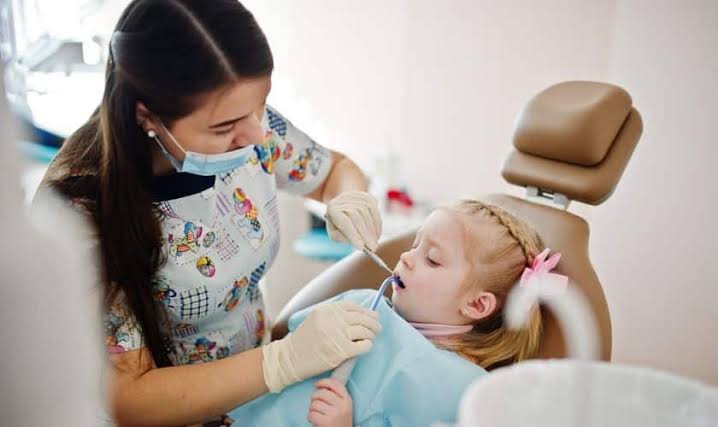
Oral health begins before the first tooth appears. Parents should gently clean their baby’s gums with a soft, damp cloth and begin brushing with a soft toothbrush as soon as the first tooth erupts. Establishing healthy habits early helps children become comfortable with daily oral care.
Regular pediatric dental visits also allow for early monitoring of tooth development and provide guidance on preventive care.
School-Age Children: Encouraging Good Habits
As children grow, they become more independent with brushing and flossing. Parents should continue to supervise oral hygiene until children can brush effectively on their own.
Healthy habits during this stage include:
- Brushing twice daily with fluoride toothpaste
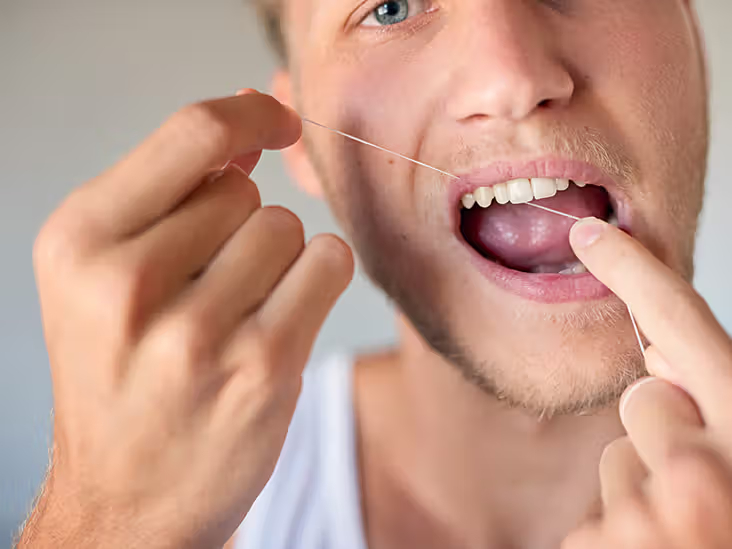
- Flossing once a day
- Eating a balanced diet rich in calcium and vitamins
- Limiting sugary snacks and drinks
- Drinking plenty of water
- Wearing a mouthguard during sports
- Attending routine dental check-ups
These practices help reduce the risk of cavities and support healthy tooth development.
Teen Years: Protecting Developing Smiles
Teenagers often experience changes that can affect oral health, including orthodontic treatment, dietary habits, and increased independence.
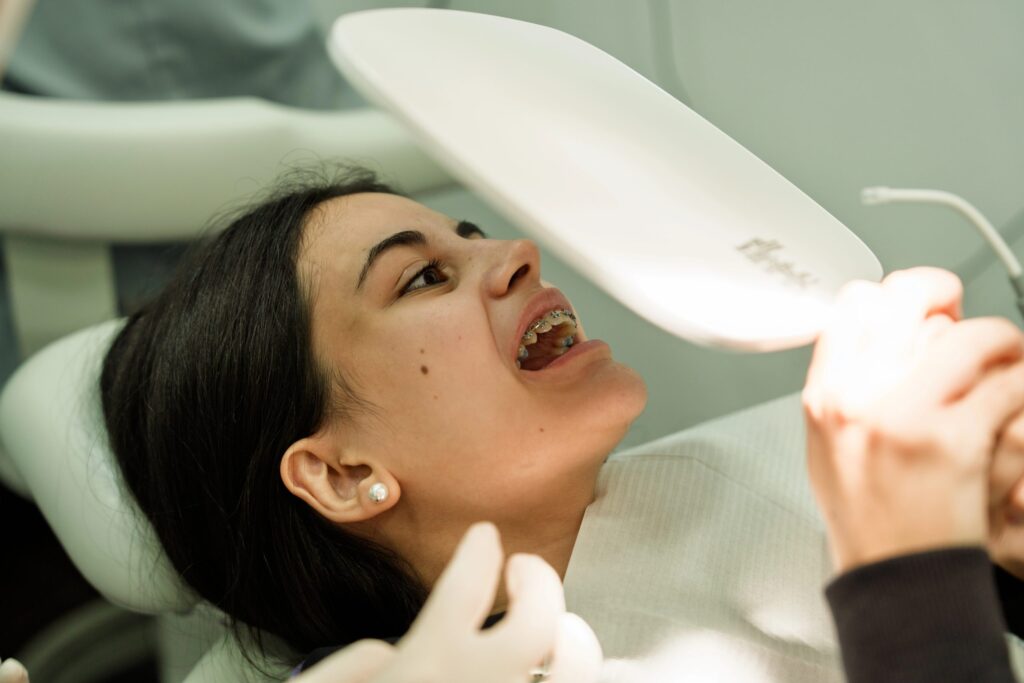
Those with braces or aligners should pay extra attention to cleaning around orthodontic appliances to prevent plaque buildup and tooth decay. Avoiding tobacco products and maintaining regular dental visits also contribute to long-term oral health.
Adulthood: Maintaining Long-Term Oral Health
Adults should continue practicing daily oral hygiene while paying attention to changes in their oral health. Brushing twice daily, flossing regularly, and maintaining a nutritious diet help prevent tooth decay, gum disease, and enamel wear.
Routine dental examinations allow dentists to detect problems early and recommend appropriate preventive or restorative care when needed.
Older Adults: Preserving Oral Health
As people age, maintaining oral health remains just as important. Older adults may experience issues such as dry mouth, gum recession, worn teeth, or increased tooth sensitivity. Regular dental care and proper oral hygiene can help manage these concerns and preserve natural teeth whenever possible.
For individuals with crowns, bridges, dentures, or dental implants, regular professional care is essential to maintain oral health and ensure these restorations function properly.
Everyday Habits That Support Healthy Teeth
No matter your age, certain daily habits help keep your smile healthy:
- Brush twice a day with fluoride toothpaste.
- Floss daily to clean between teeth.
- Eat a balanced diet with plenty of fruits, vegetables, lean proteins, and dairy or calcium-rich alternatives.
- Limit sugary foods and acidic beverages.
- Stay hydrated to support healthy saliva production.
- Avoid tobacco products.
- Protect your teeth with a mouthguard during contact sports.
- Visit your dentist regularly for examinations and professional cleanings.
The Value of Preventive Dental Care
Many dental problems develop gradually without causing pain during the early stages. Preventive dental care allows your dentist to detect cavities, gum disease, worn restorations, and other oral health concerns before they become more serious.
Regular check-ups, professional cleanings, and personalized oral health advice help maintain healthy teeth and gums throughout life.
Dr. Akram Altawachi is an experienced Orthodontist, providing personalized care for patients seeking guidance on teeth alignment, bite correction, and overall smile aesthetics. He offers comprehensive orthodontic care, including braces, clear aligners, Invisalign, and other treatment options tailored to individual needs. For anyone seeking expert guidance on their orthodontic journey, booking a consultation with Dr. Akram Altawachi provides personalized care, informed treatment guidance, and professional support.
ng ice cream, drinking hot coffee, or consuming acidic foods. Persistent sensitivity should be evaluated by a dentist.
Damage to Dental Restorations
Brushing with excessive force may also shorten the lifespan of fillings, crowns, veneers, and other dental restorations by causing unnecessary wear around their edges.
Signs You May Be Brushing Too Hard
You may be brushing too aggressively if you notice:
- Worn or flattened toothbrush bristles after a short period
- Bleeding or sore gums
- Gum recession
- Tooth sensitivity
- Notches or grooves near the gumline
- Teeth that appear more yellow as enamel wears away
If you experience any of these signs, it is a good idea to discuss your brushing technique with your dentist.
The Correct Way to Brush Your Teeth
To clean your teeth effectively without causing damage:
- Use a soft-bristled toothbrush.
- Brush twice a day with fluoride toothpaste.
- Hold the toothbrush at about a 45-degree angle toward the gumline.
- Use gentle, small circular motions instead of scrubbing back and forth.
- Brush for at least two minutes.
- Clean all tooth surfaces, including the front, back, and chewing surfaces.
- Replace your toothbrush every three to four months or sooner if the bristles become worn.
Choosing the Right Toothbrush
A soft-bristled toothbrush is recommended for most people because it effectively removes plaque while being gentle on teeth and gums. If you use an electric toothbrush, avoid pressing too hard, as many modern toothbrushes include pressure sensors that alert you when excessive force is applied.
The Importance of Regular Dental Check-Ups
Routine dental examinations allow your dentist to identify early signs of enamel wear, gum recession, and other oral health concerns. Professional guidance on brushing techniques and oral hygiene can help prevent damage and maintain healthy teeth and gums.
Dr. Akram Altawachi is an experienced Orthodontist, providing personalized care for patients seeking guidance on teeth alignment, bite correction, and overall smile aesthetics. He offers comprehensive orthodontic care, including braces, clear aligners, Invisalign, and other treatment options tailored to individual needs. For anyone seeking expert guidance on their orthodontic journey, booking a consultation with Dr. Akram Altawachi provides personalized care, informed treatment guidance, and professional support.