Tooth enamel is the hard, protective outer layer of every tooth. It plays an essential role in maintaining oral health by protecting the inner structures of teeth from daily wear, temperature changes, acids, and bacteria. Although enamel is the hardest substance in the human body, it can still become weakened by poor oral hygiene, frequent exposure to acids, and unhealthy dietary habits. Understanding why healthy enamel matters can help people adopt better dental care practices and protect their natural teeth for the long term.
Understanding the Role of Tooth Enamel
Tooth enamel forms a protective covering over the visible part of each tooth. It helps teeth withstand the pressure created during biting and chewing while reducing the risk of damage to the sensitive inner layers. Enamel also helps protect teeth against harmful substances produced by bacteria in dental plaque.
Unlike other tissues in the body, enamel cannot naturally regenerate once it is significantly lost because it does not contain living cells. However, early mineral loss can sometimes be reversed through remineralisation, a process in which minerals such as calcium and phosphate return to weakened areas. Fluoride can support this process and make enamel more resistant to acid attacks.
Maintaining healthy enamel is therefore an important part of preventing cavities, reducing sensitivity, and preserving the strength of natural teeth.
Protecting Teeth from Tooth Decay
One of the most important reasons healthy enamel matters is its role in preventing tooth decay. Bacteria in dental plaque feed on sugars from food and drinks, producing acids that gradually remove minerals from the enamel. Repeated acid exposure can weaken the tooth surface and eventually create cavities.
When enamel remains strong, it provides an effective barrier against these daily challenges. Brushing twice a day with fluoride toothpaste, cleaning between teeth, and limiting frequent sugary snacks can help reduce plaque accumulation and acid exposure.
Regular dental examinations are also important because early enamel changes may not cause noticeable discomfort. Identifying signs of mineral loss early allows preventive measures to be introduced before more extensive damage develops.
Reducing Tooth Sensitivity
Healthy enamel helps protect the dentin beneath it. Dentin contains tiny channels that connect toward the inner part of the tooth. When enamel becomes thin, worn, or damaged, these channels may become more exposed, allowing hot, cold, sweet, or acidic foods and drinks to trigger discomfort.
Tooth sensitivity can also result from gum recession, which exposes the roots of teeth that are not covered by enamel. Therefore, sensitivity should not automatically be attributed to enamel erosion alone.
Using a soft-bristled toothbrush, avoiding aggressive brushing, and choosing a fluoride toothpaste designed for sensitive teeth may help manage certain causes of sensitivity. Persistent or severe discomfort should be assessed by a dental professional to identify the underlying problem.
Preventing Enamel Erosion
Enamel erosion occurs when acids gradually dissolve minerals from the tooth surface. Acidic drinks, citrus fruits, sports drinks, and frequent consumption of sour foods can contribute to erosion, particularly when exposure is repeated throughout the day. Stomach acid associated with reflux or recurrent vomiting can also damage enamel.
Several daily habits can help reduce this risk. Drinking water regularly, limiting acidic beverages, and avoiding prolonged sipping of acidic drinks can reduce the time teeth are exposed to acids. After consuming acidic food or drinks, rinsing the mouth with water can help clear some of the acid.
It is also advisable to wait around 30 to 60 minutes before brushing after significant acid exposure. Brushing immediately may increase wear on temporarily softened enamel. These simple precautions can help preserve the natural tooth surface.
Maintaining a Bright and Natural Smile
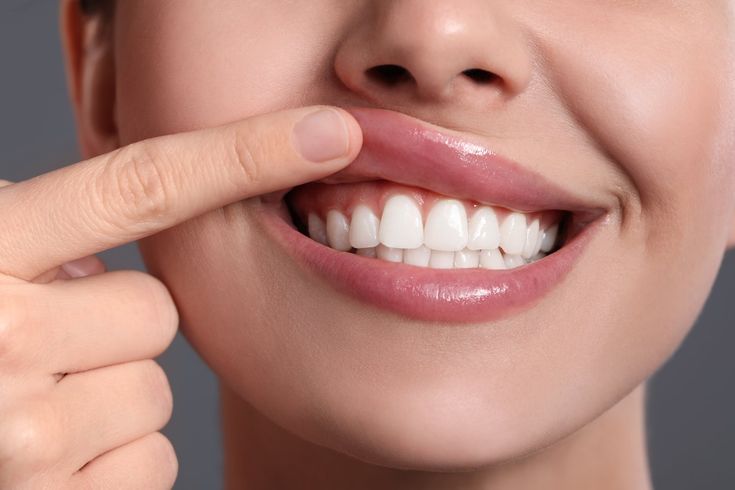
Enamel contributes to the appearance of teeth by providing a smooth, protective surface through which the underlying dentin influences the tooth’s colour. When enamel becomes worn or thin, teeth may appear more yellow because the dentin beneath it becomes more visible. Uneven wear and surface damage can also affect the overall appearance of a smile.
Good oral hygiene helps remove plaque and surface stains, supporting a cleaner-looking smile. However, brushing harder does not make teeth whiter and may contribute to enamel wear or gum recession. Whitening products should also be used appropriately, especially when teeth are already sensitive or enamel erosion is present.
Protecting enamel helps preserve the natural structure and appearance of teeth while reducing the likelihood of problems that may require restorative dental treatment.
Daily Habits That Support Healthy Enamel
Consistent oral care is essential for maintaining strong enamel. Brushing twice daily with fluoride toothpaste helps remove plaque and strengthens teeth against acid attacks. Cleaning between teeth with floss or interdental brushes helps remove debris from areas a toothbrush may not reach effectively.
A balanced diet also supports oral health. Foods containing calcium and phosphate, such as dairy products and certain fortified alternatives, contribute minerals that are important for teeth. Drinking water instead of sugary or acidic beverages can further reduce the risk of decay and erosion.
Frequent snacking on sugary foods should be limited because repeated sugar exposure allows plaque bacteria to produce acids more often. People who grind their teeth may also benefit from a dental assessment, as excessive grinding can contribute to tooth wear and enamel damage.
Recognising Signs of Enamel Damage
Enamel damage may develop gradually, and early changes are not always easy to notice. Possible signs include increased sensitivity, rough or uneven tooth surfaces, yellowing, small chips, and white or chalky areas that may indicate mineral loss. Brown spots or visible cavities may signal more advanced dental problems.
These signs can have different causes, so a professional examination is important for an accurate diagnosis. Once enamel has been lost, it cannot grow back naturally. However, dental treatments can help protect weakened areas, manage sensitivity, and restore damaged teeth when necessary
Dr. Akram Altawachi is an experienced Orthodontist, providing personalized care for patients seeking guidance on teeth alignment, bite correction, and overall smile aesthetics. He offers comprehensive orthodontic care, including braces, clear aligners, Invisalign, and other treatment options tailored to individual needs. For anyone seeking expert guidance on their orthodontic journey, booking a consultation with Dr. Akram Altawachi provides personalized care, informed treatment guidance, and professional support.