Missing teeth can affect more than the appearance of a smile. They can influence chewing, speech, jawbone health, and the alignment of surrounding teeth. Whether a tooth is lost because of decay, gum disease, an injury, or another dental problem, replacing it can help maintain oral function and support long-term dental health. Understanding the importance of replacing missing teeth helps people make informed decisions about their treatment and prevent avoidable complications.
How Missing Teeth Affect Oral Health
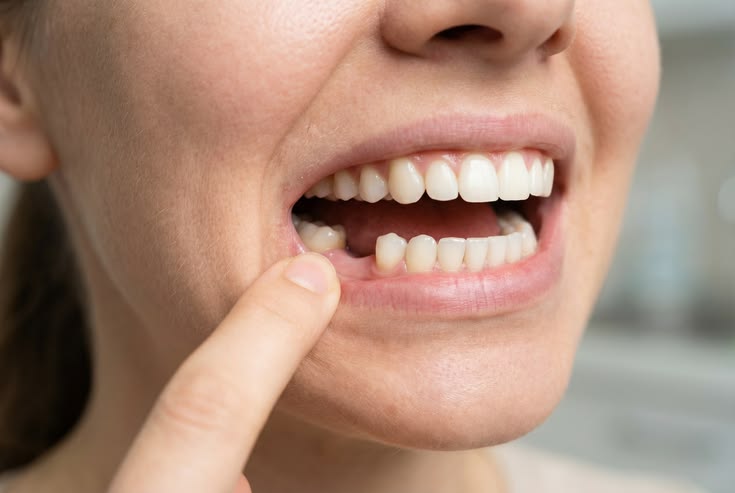
Each tooth plays a role in maintaining the balance and function of the mouth. When a tooth is missing, the surrounding teeth may gradually shift into the empty space. This movement can create gaps, affect the bite, and make it more difficult to clean certain areas properly. Food particles and plaque may accumulate around misaligned teeth, increasing the risk of cavities and gum problems.
Missing teeth can also place additional pressure on the remaining teeth. When fewer teeth are available to distribute chewing forces, some teeth may experience greater wear or discomfort. Replacing missing teeth can help restore a more balanced bite and support the function of the remaining natural teeth.
Preventing Shifting of Surrounding Teeth
One important reason to replace missing teeth is to help prevent neighbouring teeth from moving out of their natural positions. Teeth naturally support one another, and an empty space can allow nearby teeth to tilt or drift over time. The opposing tooth may also move toward the space left by the missing tooth.
These changes can affect the way the upper and lower teeth meet when biting. An uneven bite may contribute to chewing difficulties and excessive pressure on certain teeth. Replacing the missing tooth can help maintain the dental arch and reduce the risk of unwanted movement, although the most suitable treatment depends on the condition of the surrounding teeth and gums.
Maintaining Jawbone Health
The roots of natural teeth stimulate the jawbone during everyday activities such as chewing. When a tooth is lost, the area of bone that previously supported it may gradually shrink because it no longer receives the same stimulation. This process is known as bone resorption.
Over time, bone loss can affect the shape of the jaw and the support available for nearby teeth. It may also influence facial contours, particularly when several teeth are missing. Dental implants can help stimulate the jawbone because they are placed within the bone and function as artificial tooth roots. However, not every patient is suitable for implants, and other replacement options may be recommended based on bone volume, general health, and oral conditions.
Improving Chewing and Digestion
Missing teeth can make it difficult to bite and chew certain foods, including vegetables, fruits, nuts, and other firm foods. People may begin avoiding foods that are harder to chew and choose softer alternatives instead. Although these choices may seem convenient, a restricted diet can make it harder to obtain a balanced range of nutrients.
Replacing missing teeth can improve chewing ability and help people enjoy a wider variety of foods. Better chewing also helps break food into smaller pieces before swallowing. While digestion involves many processes beyond chewing, restoring dental function can make eating more comfortable and efficient.
Enhancing Speech and Pronunciation
Teeth help the tongue and lips produce certain sounds clearly. When front teeth are missing, some people may notice changes in pronunciation, particularly when making sounds that require the tongue to approach or touch the teeth. Multiple missing teeth can also affect oral airflow and speech clarity.
Replacing missing teeth may help improve pronunciation and restore confidence during conversations. The outcome depends on which teeth are missing, the type of replacement used, and how comfortably the person adapts to the restoration. Dentures may require an adjustment period, while fixed restorations can provide a stable alternative for suitable patients.
Restoring Smile Appearance and Confidence
A missing tooth can change the appearance of a smile, especially when the gap is visible. Some people may feel self-conscious when speaking, laughing, or meeting others. Multiple missing teeth may also affect facial support and contribute to changes in the appearance of the lower face.
Replacing missing teeth can help restore a natural-looking smile and improve confidence. Modern dental treatments offer options designed to match the colour, shape, and size of natural teeth. The final appearance depends on the selected treatment, the condition of the surrounding teeth, and the individual’s oral health needs.
Common Options for Replacing Missing Teeth
Several treatments are available for restoring missing teeth. A dental professional can recommend an option after examining the mouth, evaluating the gums, and reviewing the patient’s medical and dental history.
Dental implants are artificial tooth roots placed in the jawbone to support a crown, bridge, or denture. They can provide a stable replacement and help maintain bone in the treated area when successful integration occurs. Implant treatment requires adequate bone support and careful planning.
Dental bridges replace one or more missing teeth by attaching artificial teeth to supporting teeth or implants. Traditional bridges may be suitable when neighbouring teeth can provide reliable support. The design depends on the location of the gap and the condition of the supporting structures.
Removable dentures replace several missing teeth or an entire dental arch. They can be a suitable option for people who need a non-fixed restoration. Dentures require regular cleaning, professional adjustments, and periodic assessment to maintain comfort and fit.
Each treatment has advantages, limitations, maintenance requirements, and different costs. A dental examination helps determine which option is most appropriate.
The Importance of Timely Dental Assessment
Delaying treatment for missing teeth may allow surrounding teeth to shift and jawbone changes to progress. The longer a gap remains untreated, the more complex some replacement procedures may become. For example, significant bone loss can affect whether additional procedures are needed before implant placement.
A dental assessment helps identify the cause of tooth loss, evaluate the health of remaining teeth, and develop a suitable treatment plan. If tooth loss is associated with gum disease, that condition should also be managed to help protect the remaining teeth and support the success of replacement treatment.
Maintaining Oral Health After Tooth Replacement
Good oral hygiene remains essential after replacing missing teeth. Brushing twice daily with fluoride toothpaste, cleaning between teeth, and following the dentist’s instructions can help reduce plaque buildup and protect the gums. Dental bridges, implants, and dentures each require specific cleaning methods.
Regular dental check-ups allow the dentist to assess the condition of the restoration, identify potential problems early, and recommend maintenance when necessary. Avoiding tobacco and maintaining a balanced diet can also support overall oral health.
Dr. Akram Altawachi is an experienced Orthodontist, providing personalized care for patients seeking guidance on teeth alignment, bite correction, and overall smile aesthetics. He offers comprehensive orthodontic care, including braces, clear aligners, Invisalign, and other treatment options tailored to individual needs. For anyone seeking expert guidance on their orthodontic journey, booking a consultation with Dr. Akram Altawachi provides personalized care, informed treatment guidance, and professional support.