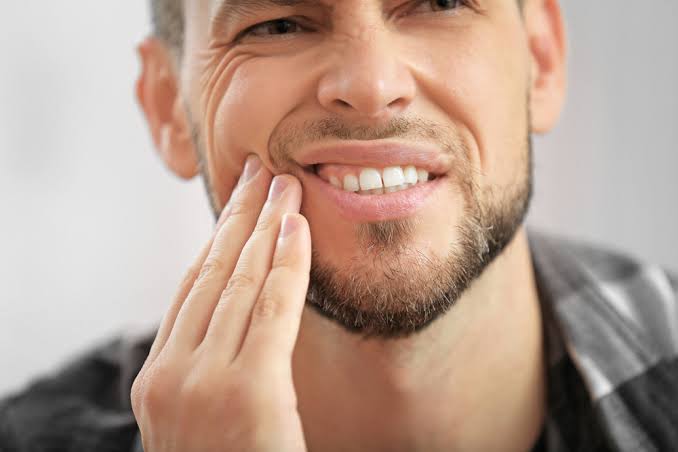
Tooth sensitivity is a common dental concern that affects people of all ages. You may experience a sharp, temporary pain when eating or drinking something hot, cold, sweet, or acidic. While occasional sensitivity may not always indicate a serious problem, persistent or worsening discomfort should never be ignored. Understanding When Tooth Sensitivity Should Be Evaluated can help you recognize when it is time to seek professional dental care and prevent minor issues from becoming more serious.
Early evaluation allows your dentist to identify the underlying cause and recommend the most appropriate treatment to protect your oral health.
What Is Tooth Sensitivity?
Tooth sensitivity, also known as dentin hypersensitivity, occurs when the protective enamel wears down or the tooth’s root becomes exposed. This exposes the dentin, a layer containing tiny channels that connect to the tooth’s nerve. External stimuli such as temperature changes or certain foods can trigger discomfort.
Sensitivity may affect one tooth, several teeth, or the entire mouth.
Common Causes of Tooth Sensitivity
There are several possible reasons for sensitive teeth, including:
- Worn tooth enamel
- Gum recession
- Tooth decay (cavities)
- Cracked or chipped teeth
- Teeth grinding (bruxism)
- Worn or damaged fillings
- Recent dental procedures
- Aggressive tooth brushing
- Acidic foods and beverages
- Gum disease
Identifying the exact cause is important for effective treatment.
Common Symptoms
People with tooth sensitivity may notice:
- Sharp pain when drinking hot or cold beverages
- Discomfort while eating ice cream or frozen foods
- Pain after eating sweets
- Sensitivity to acidic foods like citrus fruits
- Temporary discomfort while brushing or flossing
- Sensitivity when breathing in cold air
Symptoms may come and go or become more frequent over time.
When Tooth Sensitivity Should Be Evaluated
Although mild sensitivity can sometimes improve with proper oral care, certain situations require a dental evaluation.
Sensitivity Lasts for Several Days or Weeks
If your sensitivity continues despite good oral hygiene or the use of toothpaste for sensitive teeth, schedule a dental appointment.
Persistent sensitivity may indicate an underlying dental condition that requires treatment.
Pain Is Severe or Worsening
Sharp, intense, or increasing pain should always be evaluated.
Severe sensitivity may result from:
- Deep tooth decay
- Cracked teeth
- Nerve inflammation
- Dental infection
Prompt treatment can help prevent complications.
Only One Tooth Is Sensitive
Generalized sensitivity may be caused by enamel wear, but pain affecting a single tooth may suggest:
- A cavity
- A cracked tooth
- A loose filling
- Localized gum recession
Your dentist can determine the exact cause through a clinical examination.
Sensitivity Occurs Without a Trigger
Sensitivity that develops without eating or drinking anything hot, cold, or sweet may require prompt evaluation.
Spontaneous tooth pain could indicate:
- Dental infection
- Tooth nerve irritation
- Advanced decay
Ignoring these symptoms may allow the condition to worsen.
Pain Lasts After the Trigger Is Removed
Normal sensitivity often disappears within a few seconds.
If pain continues for an extended period after consuming hot or cold foods, it may indicate inflammation of the tooth’s nerve or another underlying issue that should be assessed by a dentist.
Swelling or Gum Changes
Seek dental care if sensitivity is accompanied by:
- Swollen gums
- Bleeding gums
- Gum recession
- Pus near the tooth
- Facial swelling
These symptoms may indicate gum disease or an infection requiring professional treatment.
Sensitivity After Dental Treatment
It is common to experience mild sensitivity after certain dental procedures, such as fillings, crowns, teeth whitening, or professional cleanings.
However, if the discomfort:
- Becomes worse
- Persists longer than expected
- Interferes with eating or sleeping
contact your dentist for further evaluation.
Sensitivity Following an Injury
A fall, sports injury, or other trauma can damage a tooth even if no crack is immediately visible.
If sensitivity develops after an injury, schedule a dental examination to rule out hidden fractures or internal tooth damage.
How Dentists Diagnose Tooth Sensitivity
Your dentist may:
- Review your symptoms
- Examine your teeth and gums
- Check for cavities or cracks
- Assess gum recession
- Evaluate existing fillings or crowns
- Take dental X-rays if necessary
A proper diagnosis helps determine the most appropriate treatment plan.
Treatment Options
Treatment depends on the underlying cause of the sensitivity and may include:
- Desensitizing toothpaste
- Fluoride treatments
- Dental fillings
- Bonding exposed root surfaces
- Gum disease treatment
- Night guards for teeth grinding
- Replacement of damaged restorations
- Root canal treatment when necessary
Your dentist will recommend the most suitable option for your individual needs.
Preventing Tooth Sensitivity
You can reduce the risk of sensitivity by following good oral care habits:
- Brush twice daily using a soft-bristled toothbrush.
- Use fluoride toothpaste.
- Avoid brushing too hard.
- Floss every day.
- Limit acidic foods and beverages.
- Wear a night guard if you grind your teeth.
- Visit your dentist regularly for check-ups.
Preventive care helps maintain strong enamel and healthy gums.
When Should You Seek Immediate Dental Care?
Contact your dentist promptly if tooth sensitivity is accompanied by:
- Severe or persistent tooth pain
- Swelling of the face or gums
- Fever
- Difficulty chewing
- A cracked or broken tooth
- A loose tooth
- Signs of infection such as pus
These symptoms may require urgent evaluation and treatment.
Dr. Akram Altawachi is an experienced Orthodontist, providing personalized care for patients seeking guidance on teeth alignment, bite correction, and overall smile aesthetics. He offers comprehensive orthodontic care, including braces, clear aligners, Invisalign, and other treatment options tailored to individual needs. For anyone seeking expert guidance on their orthodontic journey, booking a consultation with Dr. Akram Altawachi provides personalized care, informed treatment guidance, and professional support.