Keeping your natural teeth for a lifetime is one of the most important goals of good oral health. While tooth loss can occur due to aging, injury, or certain medical conditions, many cases are preventable with proper dental care and healthy lifestyle habits. Understanding Preventing Tooth Loss Through Good Oral Care can help you protect your teeth, maintain healthy gums, and enjoy a confident smile for years to come.
Tooth loss affects more than just appearance. Missing teeth can make it difficult to chew, speak clearly, and maintain proper jaw function. Fortunately, consistent oral hygiene and regular dental visits can significantly reduce the risk of losing your natural teeth.
What Causes Tooth Loss?
Tooth loss can happen for many reasons, but the most common causes include:
- Untreated tooth decay
- Advanced gum disease (periodontitis)
- Dental injuries or trauma
- Poor oral hygiene
- Smoking and tobacco use
- Teeth grinding (bruxism)
- Certain medical conditions
- Poor nutrition
Many of these risk factors can be managed or prevented with proper dental care.
Why Is Preventing Tooth Loss Important?
Natural teeth play an essential role in everyday life. Keeping your teeth healthy helps you:
- Chew food comfortably
- Speak clearly
- Maintain proper facial structure
- Support jawbone health
- Smile with confidence
- Improve overall quality of life
Preventing tooth loss also reduces the need for complex restorative dental treatments.
Preventing Tooth Loss Through Good Oral Care
1. Brush Your Teeth Twice Daily
One of the most effective ways of Preventing Tooth Loss Through Good Oral Care is brushing your teeth every morning and before bedtime.
For effective brushing:
- Use a soft-bristled toothbrush.
- Brush for at least two minutes.
- Use fluoride toothpaste.
- Clean all tooth surfaces.
- Gently brush along the gumline.
- Brush your tongue to remove bacteria.
Replace your toothbrush every three to four months or sooner if the bristles become worn.
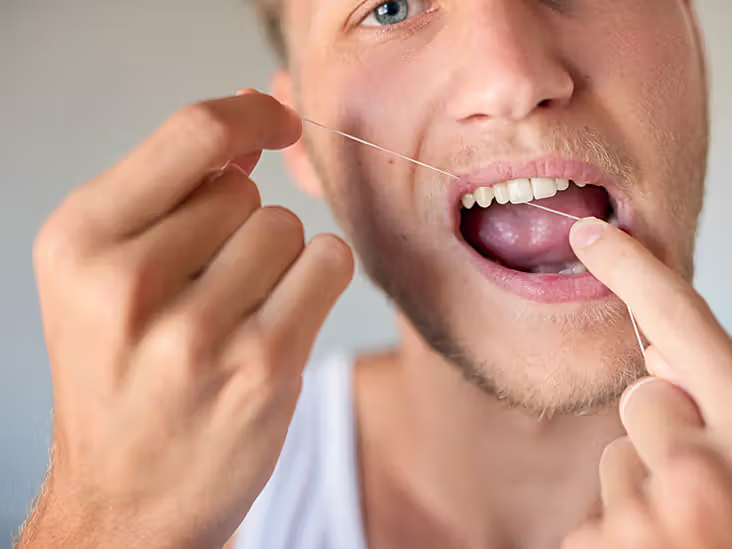
Floss Every Day
Flossing removes plaque and food particles from areas your toothbrush cannot reach.
Daily flossing helps:
- Prevent cavities between teeth
- Reduce plaque buildup
- Protect gum health
- Lower the risk of gum disease
Healthy gums are essential for keeping teeth securely in place.
Prevent Gum Disease
Gum disease is one of the leading causes of tooth loss in adults.
Early gum disease (gingivitis) is often reversible with proper oral hygiene, while advanced gum disease can damage the tissues and bone supporting the teeth.
Signs of gum disease include:
- Bleeding gums
- Swollen or tender gums
- Persistent bad breath
- Gum recession
- Loose teeth
Early treatment can help preserve your natural teeth.
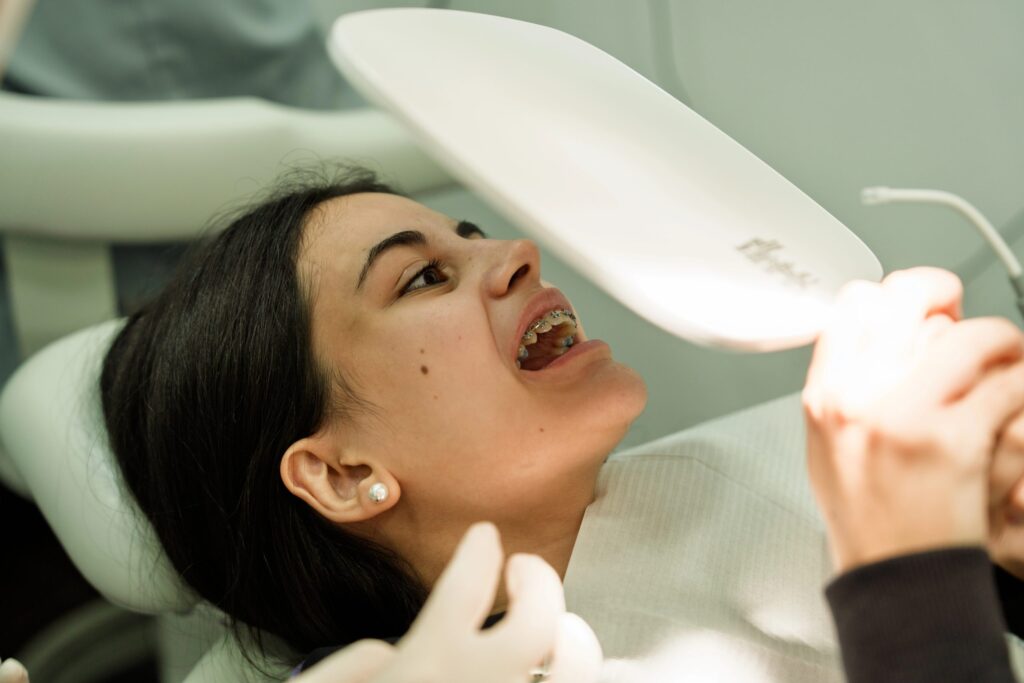
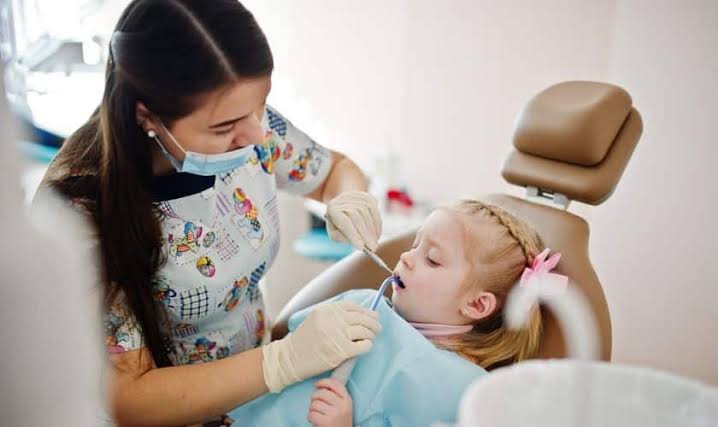
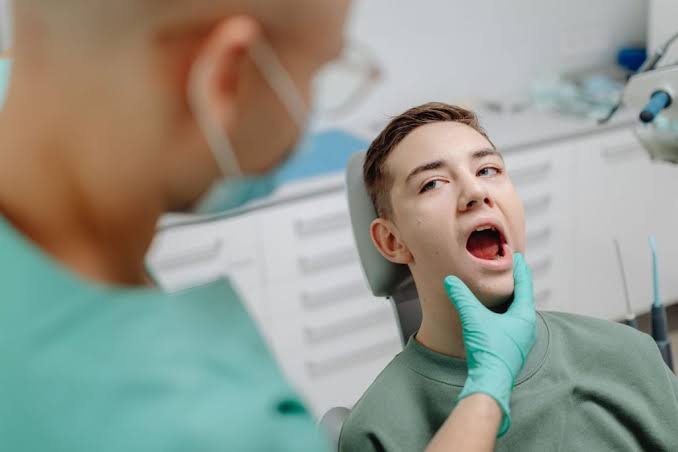
Visit Your Dentist Regularly
Routine dental check-ups allow your dentist to detect problems before they become serious.
Regular visits may include:
- Dental examinations
- Professional cleanings
- Gum health assessments
- Oral cancer screenings
- Early cavity detection
- Personalized oral hygiene advice
Preventive care is often simpler and less costly than treating advanced dental problems.
Eat a Balanced Diet
Good nutrition supports healthy teeth and gums.
Choose foods rich in:
- Calcium
- Phosphorus
- Vitamin D
- Vitamin C
- Protein
Examples include:
- Dairy products
- Leafy green vegetables
- Fresh fruits
- Lean meats
- Fish
- Eggs
- Nuts and seeds
Limit sugary foods and beverages that increase the risk of tooth decay.
Drink Plenty of Water
Water supports oral health by:
- Washing away food particles
- Promoting saliva production
- Helping neutralize acids
- Keeping the mouth hydrated
Staying hydrated also helps reduce dry mouth, which can increase the risk of cavities.
Avoid Tobacco Products
Smoking and other tobacco products significantly increase the risk of:
- Gum disease
- Tooth loss
- Delayed healing
- Oral cancer
- Bad breath
- Tooth staining
Quitting tobacco can greatly improve both oral and overall health.
Protect Your Teeth from Injury
Dental injuries can sometimes lead to tooth loss.
Protect your teeth by:
- Wearing a mouthguard during contact sports
- Avoiding chewing hard objects like ice or pens
- Using proper tools instead of your teeth to open packages
Simple precautions can prevent unnecessary dental trauma.
Address Teeth Grinding
Grinding or clenching your teeth can wear down enamel and place excessive pressure on your teeth.
Symptoms include:
- Jaw pain
- Tooth sensitivity
- Worn teeth
- Cracked teeth
If you suspect teeth grinding, consult your dentist. A custom night guard may help protect your teeth while you sleep.
Treat Dental Problems Early
Small dental issues can become major problems if ignored.
See your dentist promptly if you notice:
- Tooth pain
- Sensitivity
- Cavities
- Chipped teeth
- Loose teeth
- Swollen gums
Early treatment can help preserve natural teeth and prevent more extensive procedures.
Healthy Habits for Strong Teeth
Adopting healthy daily habits can significantly reduce your risk of tooth loss.
Remember to:
- Brush twice daily with fluoride toothpaste.
- Floss every day.
- Eat a balanced diet.
- Drink plenty of water.
- Limit sugary foods and drinks.
- Avoid tobacco products.
- Visit your dentist regularly.
- Wear a mouthguard during sports if needed.
Consistency is the key to maintaining lifelong oral health.
Warning Signs You Should Not Ignore
Schedule a dental appointment if you experience:
- Persistent tooth pain
- Bleeding gums
- Loose teeth
- Gum recession
- Bad breath that doesn’t improve
- Difficulty chewing
- Swelling in the gums or jaw
Prompt care can often prevent tooth loss.
The Benefits of Keeping Your Natural Teeth
Maintaining your natural teeth offers many advantages, including:
- Better chewing efficiency
- Clear speech
- Improved appearance
- Greater comfort
- Healthy jawbone support
- Higher self-confidence
- Reduced need for restorative treatments
Healthy natural teeth contribute to both physical and emotional well-being.
Dr. Akram Altawachi is an experienced Orthodontist, providing personalized care for patients seeking guidance on teeth alignment, bite correction, and overall smile aesthetics. He offers comprehensive orthodontic care, including braces, clear aligners, Invisalign, and other treatment options tailored to individual needs. For anyone seeking expert guidance on their orthodontic journey, booking a consultation with Dr. Akram Altawachi provides personalized care, informed treatment guidance, and professional support.