Maintaining good oral hygiene is one of the simplest yet most important ways to protect your overall health. However, many people struggle to follow a consistent dental care routine due to busy schedules, travel, or simply forgetting daily habits. Learning how to stay consistent with oral hygiene can help prevent cavities, gum disease, bad breath, and other oral health problems while keeping your smile healthy for years to come.
In this blog, we’ll explore practical strategies to build lasting oral hygiene habits and make dental care a natural part of your daily routine.
Why Consistency Matters
Good oral hygiene isn’t about brushing once in a while—it requires daily care. Plaque begins forming on your teeth within hours after brushing. If it’s not removed regularly, it can harden into tartar, increasing the risk of tooth decay and gum disease.
Being consistent helps you:
- Prevent cavities
- Reduce plaque buildup
- Protect healthy gums
- Maintain fresh breath
- Preserve tooth enamel
- Lower the risk of costly dental treatments
- Support overall health
Small daily habits can make a significant difference over time.
Create a Simple Daily Routine
One of the best ways to learn how to stay consistent with oral hygiene is to keep your routine simple and easy to follow.
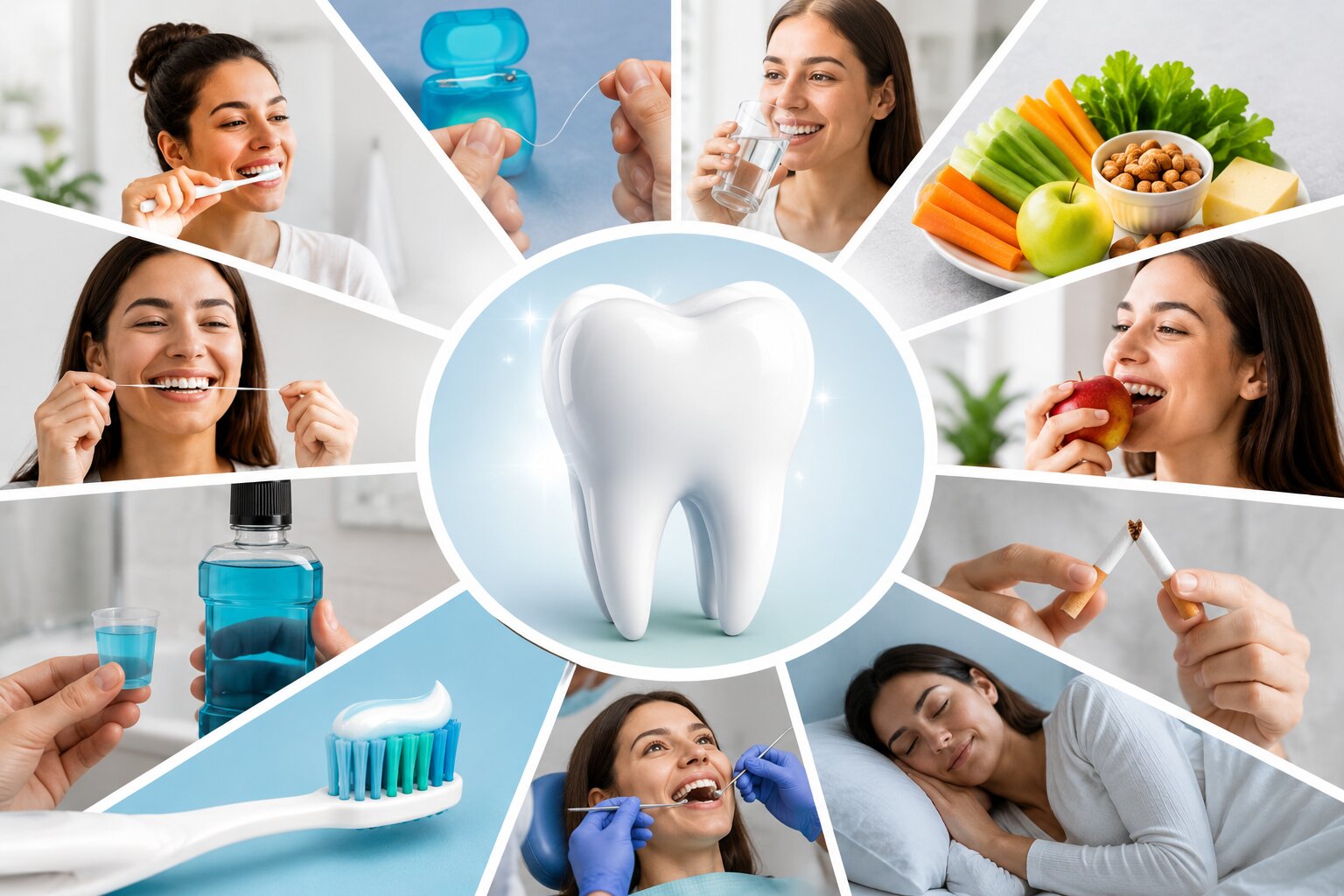
A basic daily routine should include:
- Brush your teeth twice a day.
- Floss once every day.
- Clean your tongue.
- Rinse with mouthwash if recommended by your dentist.
- Drink plenty of water throughout the day.
When these habits become part of your daily schedule, they’re easier to maintain.
Brush at the Same Time Every Day
Link brushing to activities you already do consistently.
For example:
- Brush after waking up.
- Brush before going to bed.
Pairing oral care with existing habits helps strengthen your routine and reduces the chance of forgetting.
Set Reminders
If you’re developing new habits, reminders can help.
Consider:
- Smartphone alarms
- Habit-tracking apps
- Sticky notes on your bathroom mirror
- Calendar reminders
After a few weeks, brushing and flossing often become automatic.
Keep Dental Supplies Visible
Make oral hygiene convenient by keeping your toothbrush, toothpaste, and floss in an easily accessible location.
If you travel frequently, carry a small dental care kit containing:
- Travel toothbrush
- Fluoride toothpaste
- Dental floss
- Mouthwash (travel size)
Being prepared makes it easier to maintain healthy habits wherever you are.
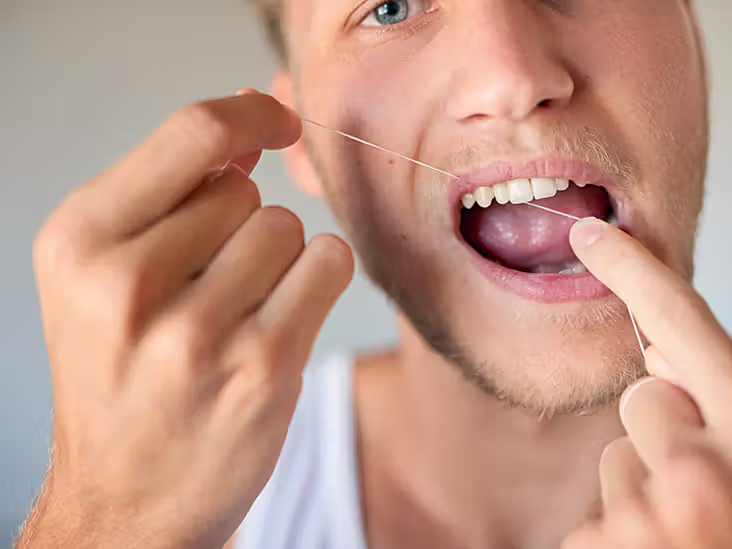
Don’t Skip Flossing
Many people brush regularly but neglect flossing.
Daily flossing removes plaque and food particles from areas your toothbrush cannot reach, helping prevent:
- Cavities between teeth
- Gum disease
- Bad breath
If traditional floss is difficult to use, try floss picks or a water flosser.
Choose the Right Dental Products
Using products that suit your needs can make oral care more comfortable and effective.
Your dentist may recommend:
- Fluoride toothpaste
- Sensitive toothpaste
- Soft-bristled toothbrushes
- Electric toothbrushes
- Antibacterial mouthwash
- Interdental brushes
Choosing products you enjoy using can also encourage consistency.
Make Oral Hygiene Enjoyable
Creating positive experiences can help you stay motivated.
Try:
- Using an electric toothbrush with a built-in timer.
- Playing your favorite music while brushing.
- Choosing a toothpaste flavor you like.
- Rewarding yourself for maintaining your routine.
Children may enjoy brushing with songs, colorful toothbrushes, or reward charts.
Maintain a Healthy Diet
Your eating habits influence your oral health.
Choose:
- Fresh fruits and vegetables
- Dairy products
- Lean proteins
- Whole grains
- Plenty of water
Limit:
- Sugary snacks
- Sticky candies
- Soft drinks
- Frequent acidic beverages
Healthy nutrition complements your oral hygiene routine.
Stay Hydrated
Drinking water throughout the day helps:
- Wash away food particles
- Support saliva production
- Neutralize acids
- Reduce bad breath
Water is one of the easiest ways to support healthy teeth and gums.
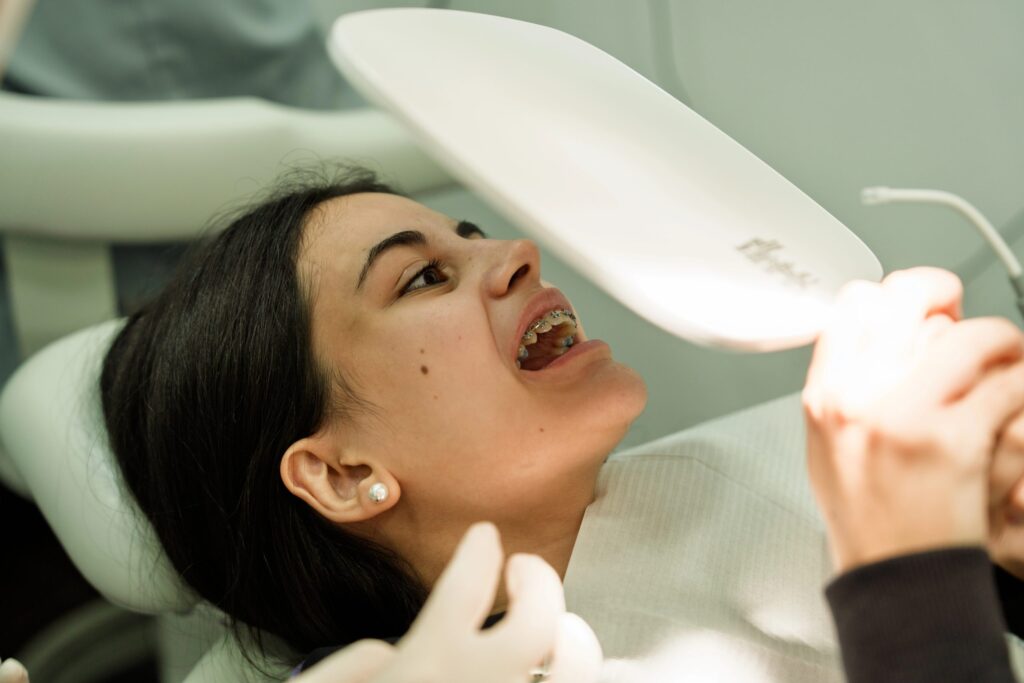
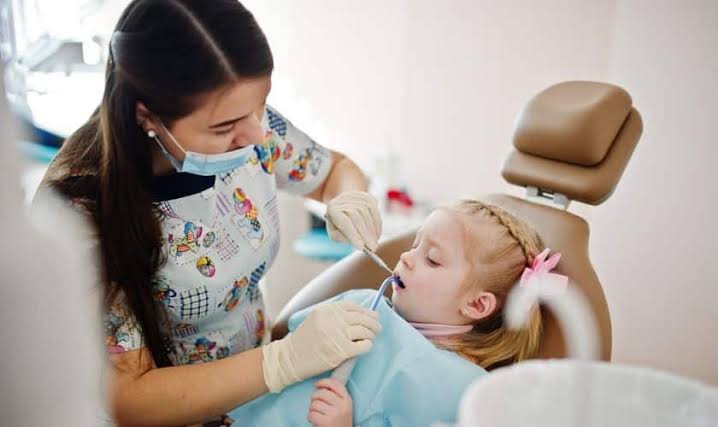
Visit Your Dentist Regularly
Professional care is an essential part of how to stay consistent with oral hygiene.
Regular dental check-ups help:
- Detect problems early
- Remove tartar buildup
- Monitor gum health
- Provide personalized advice
- Reinforce healthy habits
Most people should visit the dentist every six months or as recommended.
Don’t Let One Missed Day Become a Habit
Everyone occasionally forgets to brush or floss.
Instead of feeling discouraged:
- Resume your routine at the next opportunity.
- Focus on consistency over perfection.
- Avoid skipping multiple days.
Long-term habits are built through persistence rather than perfection.
Encourage Family Participation
Healthy habits are easier to maintain together.
Parents can:
- Brush alongside children.
- Set family brushing times.
- Encourage healthy eating.
- Schedule dental appointments together.
Shared routines create accountability and lifelong healthy habits.
Signs You Should Improve Your Routine
If you notice any of the following, it may be time to strengthen your oral hygiene habits:
- Bleeding gums
- Persistent bad breath
- Tooth sensitivity
- Frequent cavities
- Plaque buildup
- Gum swelling
- Tooth discoloration
Discuss these concerns with your dentist during your next visit.
Dr. Akram Altawachi is an experienced Orthodontist, providing personalized care for patients seeking guidance on teeth alignment, bite correction, and overall smile aesthetics. He offers comprehensive orthodontic care, including braces, clear aligners, Invisalign, and other treatment options tailored to individual needs. For anyone seeking expert guidance on their orthodontic journey, booking a consultation with Dr. Akram Altawachi provides personalized care, informed treatment guidance, and professional support.