Healthy smiles begin with healthy habits, and childhood is the perfect time to establish a strong oral care routine. Teaching children how to care for their teeth from an early age helps prevent cavities, gum disease, and other dental problems while encouraging lifelong dental health. Parents and caregivers play a vital role in building these habits through guidance, encouragement, and consistency. Understanding the importance of Teaching Children Good Oral Hygiene can help children enjoy healthy teeth and confident smiles for years to come.
Why Oral Hygiene Matters for Children
Children’s teeth are essential for eating, speaking, and guiding permanent teeth into the correct position. Poor oral hygiene can lead to cavities, pain, infections, and difficulty chewing, which may affect a child’s overall health and confidence.
Developing good oral hygiene habits early makes it easier for children to continue caring for their teeth as they grow older.
Start Oral Care Early
Oral hygiene should begin even before the first tooth appears. Gently wiping a baby’s gums with a clean, soft cloth after feeding helps remove bacteria and keeps the mouth clean.
Once the first tooth erupts, use a soft infant toothbrush and a small amount of fluoride toothpaste recommended for the child’s age. Starting early helps children become comfortable with daily oral care.
Teach Proper Brushing Techniques
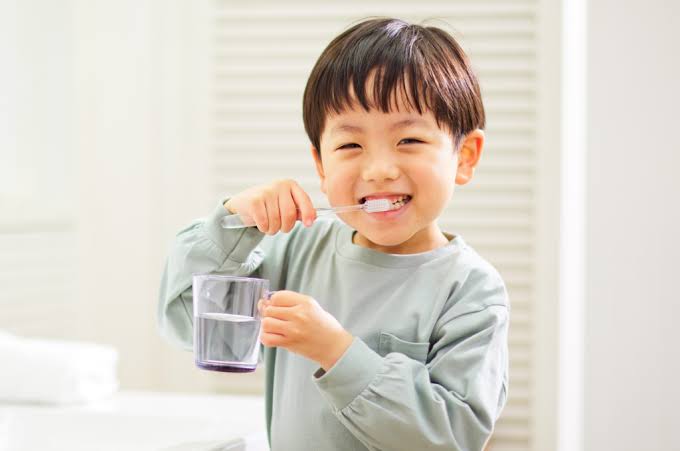
Brushing twice a day is one of the most effective ways to prevent tooth decay. Show children how to brush all surfaces of their teeth using gentle circular motions.
Helpful brushing tips include:
- Brush for at least two minutes.
- Use a soft-bristled toothbrush.
- Brush every morning and before bedtime.
- Replace the toothbrush every three to four months.
Parents should supervise and assist young children until they can brush effectively on their own.
Make Brushing Fun
Children are more likely to enjoy brushing when it feels like a fun activity instead of a chore.
You can encourage brushing by:
- Playing a two-minute song.
- Using colorful toothbrushes with child-friendly designs.
- Letting children choose their toothbrush and toothpaste.
- Using reward charts to celebrate consistent brushing.
- Brushing together as a family.
Positive experiences help children develop lasting habits.
Introduce Flossing at the Right Time
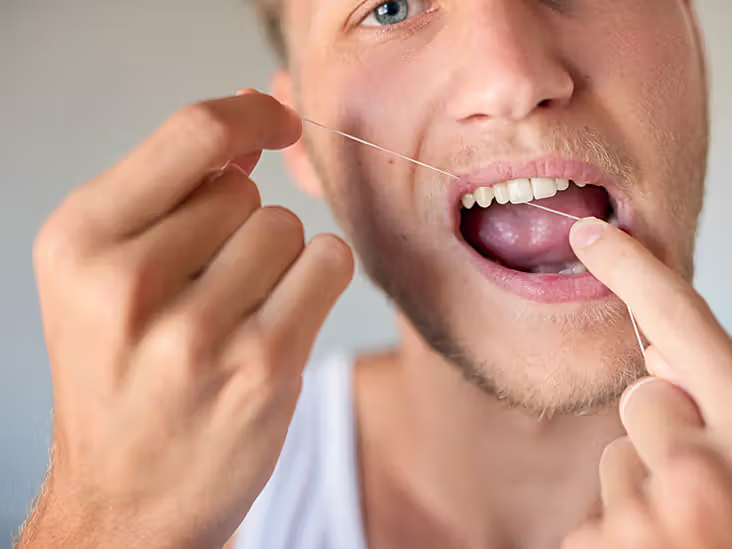
Flossing becomes important when two teeth begin touching. It removes food particles and plaque from areas that a toothbrush cannot reach, helping prevent cavities between the teeth.
Parents should help children floss until they develop the coordination to do it properly on their own.
Encourage Healthy Eating Habits
Diet has a major impact on oral health. Frequent sugary snacks and drinks increase the risk of tooth decay by feeding bacteria that produce harmful acids.
Choose tooth-friendly foods such as:
- Fresh fruits and vegetables
- Cheese and yogurt
- Whole grains
- Lean proteins
- Water instead of sugary drinks
A balanced diet supports strong teeth and healthy gums.
Limit Sugary Snacks and Drinks
Many children’s snacks and beverages contain hidden sugars that contribute to cavities. Reduce sugary treats and encourage healthier alternatives whenever possible.
Instead of:
- Candy
- Soft drinks
- Sweetened juices
- Sticky snacks
Offer:
- Fresh fruit
- Cheese
- Plain yogurt
- Vegetable sticks
- Water
Reducing sugar intake helps protect developing teeth.
Schedule Regular Dental Visits
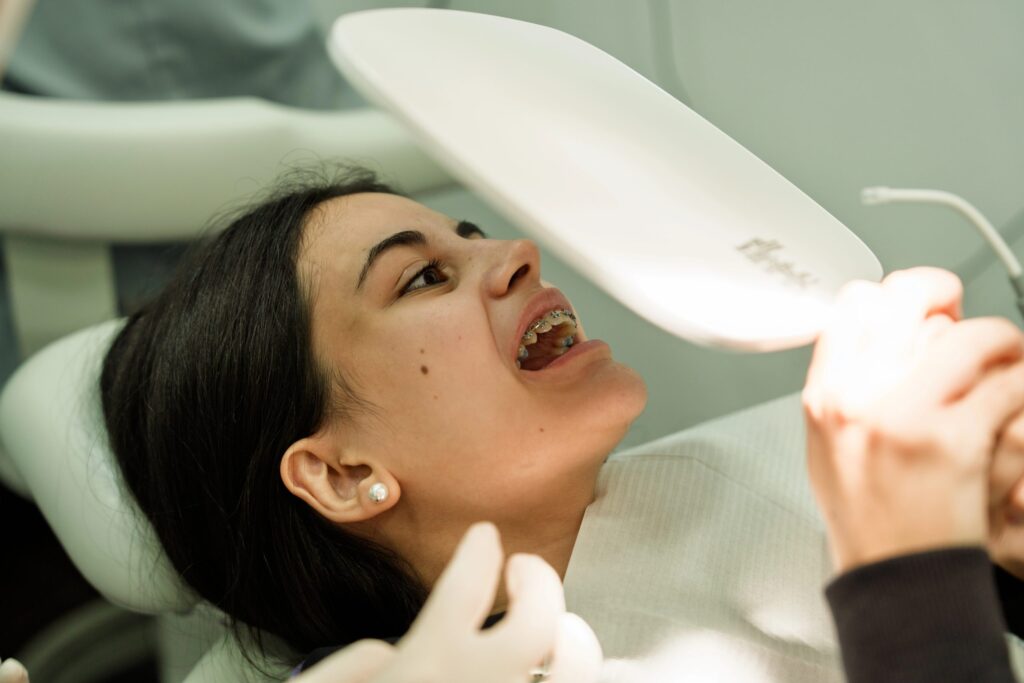
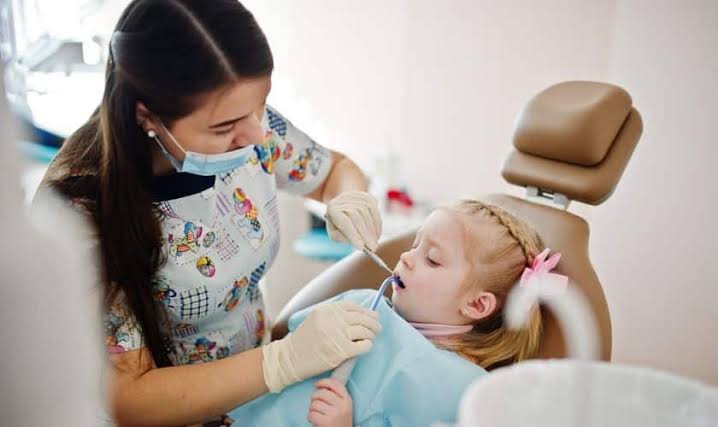
Routine dental check-ups are an important part of Teaching Children Good Oral Hygiene. Regular visits allow dentists to detect early signs of cavities, monitor tooth development, and provide preventive treatments such as fluoride applications or dental sealants when needed.
Most children benefit from visiting the dentist every six months or as recommended by their dental professional.
Be a Positive Role Model
Children learn by observing the adults around them. Parents who brush, floss, and attend regular dental appointments demonstrate the importance of good oral hygiene.
Creating a family routine where everyone brushes together can motivate children to maintain healthy habits consistently.
Build a Daily Oral Care Routine
Consistency is the key to lifelong oral health. Encourage children to follow a simple daily routine:
- Brush twice a day with fluoride toothpaste.
- Floss daily once teeth touch.
- Drink plenty of water.
- Eat healthy meals and snacks.
- Limit sugary foods and drinks.
- Visit the dentist regularly.
Making these habits part of everyday life helps children protect their smiles well into adulthood.
Benefits of Good Oral Hygiene for Children
Teaching proper oral care early provides many long-term benefits, including:
- Fewer cavities
- Healthier gums
- Stronger permanent teeth
- Fresher breath
- Greater self-confidence
- Better overall health
- Reduced need for complex dental treatment
Healthy habits developed during childhood often continue throughout life.
Dr. Akram Altawachi is an experienced Orthodontist, providing personalized care for patients seeking guidance on teeth alignment, bite correction, and overall smile aesthetics. He offers comprehensive orthodontic care, including braces, clear aligners, Invisalign, and other treatment options tailored to individual needs. For anyone seeking expert guidance on their orthodontic journey, booking a consultation with Dr. Akram Altawachi provides personalized care, informed treatment guidance, and professional support.