Good oral health is essential for a child’s growth, development, and overall well-being. Healthy teeth help children eat comfortably, speak clearly, and smile with confidence. However, children are vulnerable to several dental issues that can affect their oral health if left untreated. Understanding Common Oral Health Problems in Children enables parents to recognize early warning signs and take preventive steps to keep their child’s smile healthy.
Why Children’s Oral Health Is Important
Baby teeth may be temporary, but they play a vital role in chewing, speech development, and guiding permanent teeth into their proper positions. Neglecting oral health can lead to pain, infection, difficulty eating, and problems with the development of adult teeth.
Establishing good oral hygiene habits early helps reduce the risk of many common dental problems.
Tooth Decay (Cavities)
Tooth decay is one of the most common oral health problems affecting children. Cavities develop when bacteria feed on sugars left on the teeth and produce acids that weaken the enamel.
Signs of cavities may include:
- White or brown spots on teeth
- Tooth sensitivity
- Pain while eating
- Visible holes in the teeth
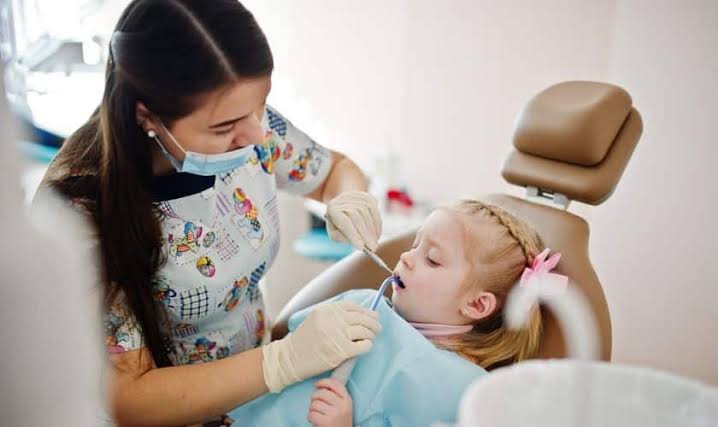
Parents can reduce the risk of cavities by encouraging twice-daily brushing, limiting sugary snacks, and scheduling regular dental check-ups.
Gum Disease (Gingivitis)
Although gum disease is more common in adults, children can also develop gingivitis if plaque builds up along the gumline.
Common symptoms include:
- Red or swollen gums
- Bleeding during brushing
- Tender gums
- Persistent bad breath
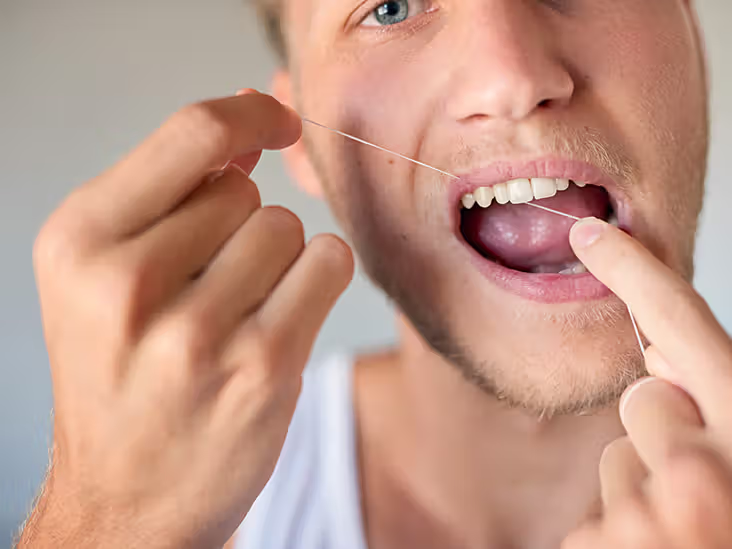
Daily brushing, flossing, and professional dental cleanings help prevent gingivitis.
Tooth Sensitivity
Some children experience tooth sensitivity when eating or drinking hot, cold, sweet, or acidic foods. Sensitivity may occur because of enamel wear, cavities, newly erupted teeth, or minor cracks.
If sensitivity persists, a dental examination can identify the underlying cause and determine the appropriate treatment.
Bad Breath (Halitosis)
Bad breath is often caused by poor oral hygiene, food particles, plaque buildup, or bacteria on the tongue.
Encouraging children to:
- Brush twice daily
- Floss regularly
- Clean their tongue
- Drink plenty of water
can help maintain fresh breath and improve oral hygiene.
Thumb Sucking and Pacifier Use
Thumb sucking and prolonged pacifier use are common in young children. While these habits are often harmless during infancy, continuing them after the permanent teeth begin developing may affect tooth alignment and jaw growth.
Parents can seek guidance from their dentist if these habits continue beyond the recommended age.
Teeth Grinding (Bruxism)
Some children grind or clench their teeth, especially while sleeping. Occasional grinding is common, but frequent grinding may cause:
- Tooth wear
- Jaw discomfort
- Headaches
- Tooth sensitivity
A dentist can determine whether treatment or monitoring is necessary.
Dental Injuries
Children are active and may experience falls or sports-related accidents that affect their teeth.
Common dental injuries include:
- Chipped teeth
- Cracked teeth
- Loose teeth
- Knocked-out teeth
Wearing a mouthguard during contact sports helps reduce the risk of dental trauma.
Delayed or Improper Tooth Eruption
Children’s teeth generally follow a predictable pattern of eruption. Occasionally, teeth may erupt too early, too late, or in unusual positions.
Routine dental visits allow dentists to monitor tooth development and recommend treatment if necessary.
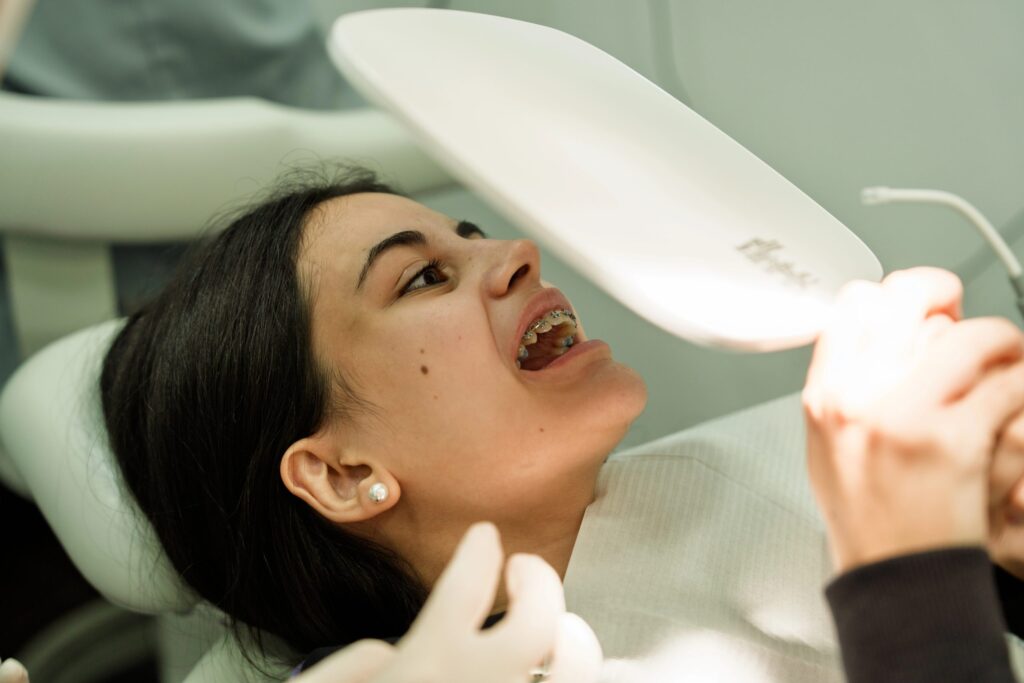
Early Orthodontic Problems
Some children develop bite problems, overcrowding, or spacing issues as their teeth grow.
Early orthodontic evaluations can identify:
- Crooked teeth
- Overbite
- Underbite
- Crossbite
- Crowded teeth
Early intervention may simplify future orthodontic treatment.
How Parents Can Help Prevent Oral Health Problems
Understanding Common Oral Health Problems in Children helps parents take proactive steps to protect their child’s smile.
Encourage children to:
- Brush twice daily with fluoride toothpaste.
- Floss every day once teeth touch.
- Eat a balanced diet.
- Limit sugary foods and beverages.
- Drink plenty of water.
- Wear a mouthguard during sports.
- Visit the dentist every six months.
These healthy habits significantly reduce the risk of dental problems.
When Should Parents Visit the Dentist?
Parents should schedule a dental appointment if their child experiences:
- Tooth pain
- Bleeding gums
- Swollen gums
- Persistent bad breath
- Broken or chipped teeth
- Tooth sensitivity
- Delayed tooth eruption
- Difficulty chewing
Prompt evaluation helps prevent complications and supports better oral health.
Dr. Akram Altawachi is an experienced Orthodontist, providing personalized care for patients seeking guidance on teeth alignment, bite correction, and overall smile aesthetics. He offers comprehensive orthodontic care, including braces, clear aligners, Invisalign, and other treatment options tailored to individual needs. For anyone seeking expert guidance on their orthodontic journey, booking a consultation with Dr. Akram Altawachi provides personalized care, informed treatment guidance, and professional support.