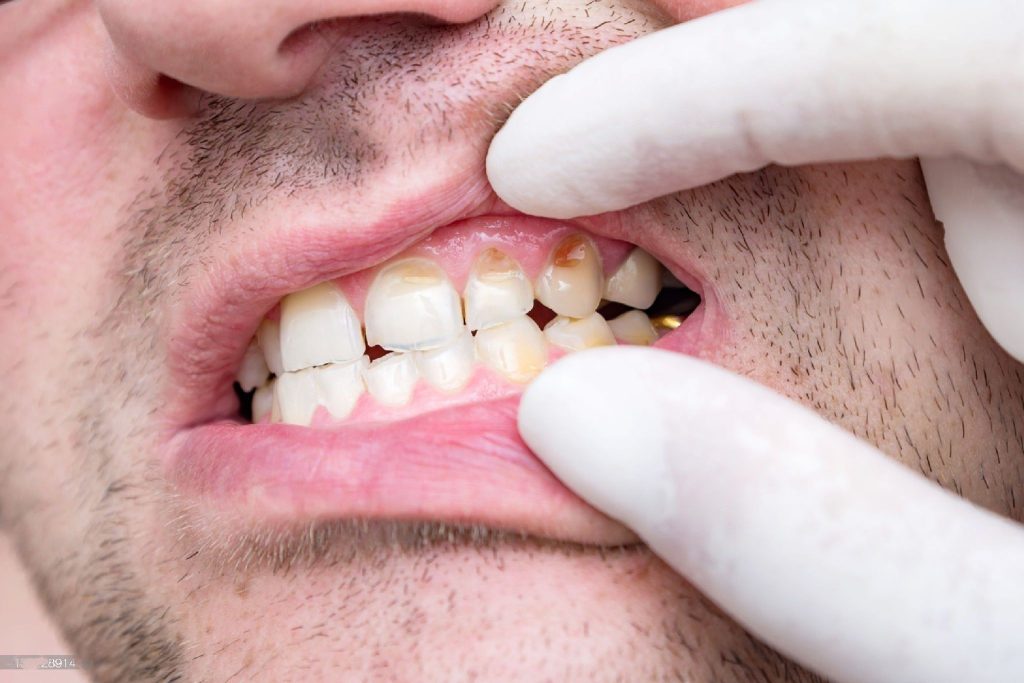
Tooth decay is one of the most common oral health problems and can affect people of all ages. It develops gradually when bacteria in dental plaque produce acids that weaken the tooth structure. Without appropriate care, a small area of damage can progress deeper into the tooth and eventually cause pain, infection, or tooth loss. Understanding different stages of tooth decay can help people recognize potential problems early and seek dental care before extensive treatment becomes necessary.
What Causes Tooth Decay?
Tooth decay develops through an interaction between oral bacteria, food, saliva, and the tooth surface. When people consume carbohydrates and sugars, bacteria in plaque can produce acids. Repeated acid exposure may gradually remove minerals from the enamel.
Saliva helps neutralize acids and supports the natural remineralization of teeth. However, frequent exposure to sugary or acidic foods and drinks can disrupt this balance. Poor oral hygiene can also allow plaque to remain on the teeth for longer periods.
Stage 1: Demineralization and White Spots
The earliest stage of tooth decay begins when minerals are lost from the enamel. At this point, the tooth may develop a white, chalky, or slightly opaque area.
There may be no pain or sensitivity during this stage. Because the enamel has not yet developed a significant cavity, the damage may sometimes be managed with preventive care.
Improving brushing habits, using fluoride toothpaste, reducing frequent sugar exposure, and following professional dental advice may help strengthen the affected enamel. Early dental examinations are useful because these changes can be difficult to notice without professional assessment.
Stage 2: Enamel Decay
If mineral loss continues, the enamel can weaken further and eventually develop a small cavity. Once a physical hole forms in the enamel, the tooth cannot naturally rebuild that lost structure.
A cavity may still cause little or no discomfort at this stage. This is one reason regular dental examinations are important. A dental professional can identify decay before it becomes more extensive.
Treatment may involve removing the decayed portion and restoring the tooth with an appropriate filling material.
Stage 3: Dentin Decay
Once decay passes through the enamel, it can reach the dentin, the layer underneath. Dentin is softer and less resistant to bacterial damage than enamel, so decay can progress more quickly.
People may begin to experience sensitivity to cold, hot, sweet, or acidic foods and drinks. Some may also notice discomfort when chewing.
Treatment at this stage usually focuses on removing the damaged tissue and restoring the tooth. Addressing the cavity promptly can help prevent the decay from reaching the innermost part of the tooth.
Stage 4: Pulp Involvement
The pulp is the innermost part of the tooth and contains nerves and blood vessels. When decay progresses deeply enough to reach or significantly irritate the pulp, symptoms can become more noticeable.
A person may experience persistent toothache, sensitivity that lingers after exposure to hot or cold substances, or pain that occurs without an obvious trigger. In some cases, the tooth may become particularly sensitive when biting or chewing.
At this stage, a simple filling may no longer be sufficient. Depending on the condition of the tooth, treatment may involve root canal therapy or another restorative procedure.
Stage 5: Dental Infection and Abscess
Advanced untreated decay can allow bacteria to move through the tooth and into the surrounding tissues. This may lead to an infection or dental abscess.
Symptoms can include severe pain, swelling around the tooth or face, tenderness, fever, bad taste, or drainage. An abscess requires prompt professional treatment because dental infections can become serious if they spread.
Treatment may involve addressing the infection and preserving the tooth when possible. In some situations, extraction may be necessary if the tooth cannot be adequately restored.
Why Early Detection Matters
Understanding different stages of tooth decay demonstrates why early dental care is important. Tooth decay does not always cause obvious symptoms in its early stages. Waiting for severe pain before seeking care may allow the condition to progress significantly.
Regular dental examinations can help identify early changes that may not be visible or noticeable at home. Early intervention can often preserve more natural tooth structure and may reduce the complexity of treatment.
How to Prevent Tooth Decay
Preventing decay involves consistent oral hygiene and healthy lifestyle habits. Brushing twice a day with fluoride toothpaste helps remove plaque and provides fluoride protection for the enamel. Cleaning between the teeth daily helps remove plaque from areas a toothbrush cannot reach effectively.
Limiting frequent sugary snacks and drinks can also reduce acid attacks on the teeth. Drinking water throughout the day supports saliva function and helps rinse away food particles.
Regular dental visits allow professionals to monitor oral health, provide professional cleaning when needed, and recommend preventive measures based on individual cavity risk.
Dr. Akram Altawachi is an experienced Orthodontist, providing personalized care for patients seeking guidance on teeth alignment, bite correction, and overall smile aesthetics. He offers comprehensive orthodontic care, including braces, clear aligners, Invisalign, and other treatment options tailored to individual needs. For anyone seeking expert guidance on their orthodontic journey, booking a consultation with Dr. Akram Altawachi provides personalized care, informed treatment guidance, and professional support.