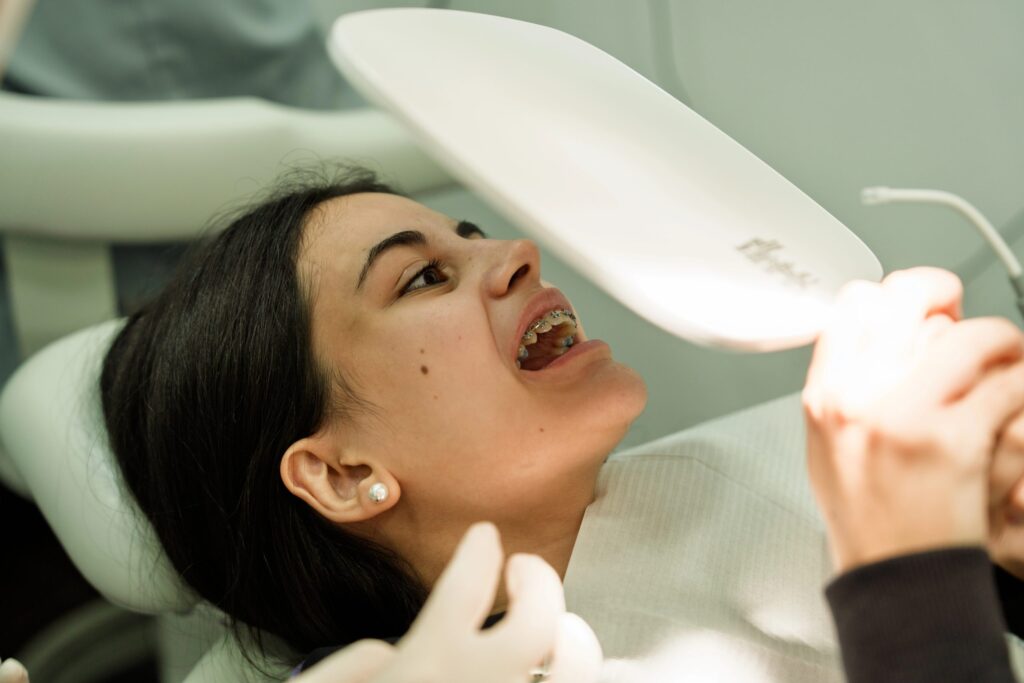
Cavities are one of the most common dental problems and can develop when bacteria in plaque produce acids that gradually weaken tooth enamel. Although brushing and flossing at home are essential for preventing tooth decay, regular dental checkups provide another important layer of protection. Understanding how regular checkups help prevent cavities can encourage people to make preventive dental care part of their routine.
Early Detection of Tooth Decay
One of the biggest benefits of regular dental checkups is the ability to identify early signs of tooth decay. Cavities do not always cause pain or visible symptoms in their beginning stages. A dental professional can examine the teeth for areas of enamel weakening, discoloration, or other changes that may indicate developing decay.
Detecting a problem early can allow preventive or restorative care before the cavity becomes deeper. This can help preserve more of the natural tooth structure and reduce the possibility of extensive treatment.
Professional Cleaning Removes Plaque and Tartar
Even people who brush and floss regularly may have difficulty cleaning certain areas of the mouth. Plaque can accumulate around the gumline, between teeth, and in deep grooves on chewing surfaces. If plaque is not removed, it can harden into tartar.
Professional dental cleaning helps remove plaque and tartar that cannot be effectively eliminated with regular brushing. Keeping the teeth cleaner reduces the buildup of bacteria and supports a healthier oral environment.
Fluoride Helps Strengthen Enamel
Fluoride is an important part of cavity prevention because it helps strengthen enamel and supports the remineralization process. Fluoride toothpaste provides daily protection, while some people may benefit from additional fluoride treatments recommended by a dental professional.
During a regular checkup, the dental team can assess an individual’s cavity risk and determine whether additional fluoride protection may be appropriate.
Identifying Individual Cavity Risks
Everyone has different factors that can influence their risk of developing cavities. Frequent consumption of sugary foods and drinks, dry mouth, deep tooth grooves, crowded teeth, orthodontic appliances, and certain oral hygiene habits can increase the likelihood of tooth decay.
Regular checkups give dental professionals an opportunity to identify these risk factors and provide personalized recommendations. This may include changes to brushing techniques, dietary habits, fluoride use, or interdental cleaning.
Dental Sealants for Added Protection
Dental sealants can help protect certain teeth from decay. They are thin protective coatings that can be applied to the grooves and pits of teeth, particularly back teeth where food particles and plaque can become trapped.
Not everyone needs sealants, but they may be recommended for people who have deep grooves or an increased risk of cavities. A dental examination can help determine whether this preventive treatment is suitable.
Monitoring Existing Fillings and Dental Work
People who already have fillings, crowns, bridges, or orthodontic appliances can benefit from regular dental monitoring. Plaque may accumulate around dental restorations or in areas that are difficult to clean.
During routine checkups, dental professionals can examine existing dental work and the surrounding teeth for signs of wear, leakage, or new decay. Early identification can help prevent small concerns from becoming larger problems.
Supporting Children’s and Teenagers’ Oral Health
Regular dental visits are particularly important for children and teenagers as their teeth and oral habits continue to develop. Dental professionals can monitor tooth eruption, identify early cavities, and provide guidance on brushing, flossing, diet, and fluoride use.
For teenagers with braces or other orthodontic appliances, routine appointments can also help identify areas where plaque is accumulating and provide advice on improving daily cleaning.
Preventing Problems Before They Cause Pain
A common misconception is that a dental visit is only necessary when a tooth hurts. However, cavities can progress without causing noticeable symptoms. By the time significant pain develops, decay may have reached deeper layers of the tooth.
Routine examinations focus on prevention and early detection rather than waiting for discomfort to appear. This approach can help identify dental concerns while they are still easier to manage.
Daily Oral Care Still Matters
Regular checkups are an important part of cavity prevention, but they do not replace daily oral hygiene. Brushing twice a day with fluoride toothpaste, cleaning between the teeth, limiting frequent sugary snacks, and choosing water regularly are essential habits.
A dental professional can help identify areas where a person’s routine may need improvement and recommend suitable oral hygiene products or techniques.
When to Schedule a Dental Visit
The appropriate frequency of dental visits depends on individual oral health needs and cavity risk. Some people may require more frequent monitoring, while others may need routine examinations at longer intervals based on professional recommendations.
Anyone experiencing persistent tooth sensitivity, toothache, visible spots, broken fillings, swelling, or other unusual symptoms should seek dental evaluation rather than waiting for the next routine appointment.
Dr. Akram Altawachi is an experienced Orthodontist, providing personalized care for patients seeking guidance on teeth alignment, bite correction, and overall smile aesthetics. He offers comprehensive orthodontic care, including braces, clear aligners, Invisalign, and other treatment options tailored to individual needs. For anyone seeking expert guidance on their orthodontic journey, booking a consultation with Dr. Akram Altawachi provides personalized care, informed treatment guidance, and professional support.