Many dental problems begin silently, without causing pain or noticeable symptoms. Cavities, gum disease, and other oral health conditions can progress gradually before becoming serious. That’s why Early Detection in Dentistry: Why It Matters is an important topic for anyone who wants to maintain a healthy smile. Identifying dental issues at an early stage allows for simpler treatments, better outcomes, and improved long-term oral health.
Regular dental checkups and preventive care can help detect problems before they become painful or require more extensive treatment.
Why Early Detection Is Important
Early detection allows dentists to identify dental concerns before they worsen. Many oral health conditions can be treated more easily when diagnosed in their initial stages.
Some of the key benefits include:
- Preventing serious dental problems
- Preserving natural teeth
- Reducing treatment time
- Lowering long-term dental costs
- Improving overall oral health
- Supporting long-term smile confidence
Routine dental examinations are an essential part of preventive care.
Common Dental Problems That Benefit from Early Detection
Tooth Decay
Small areas of tooth decay often develop without pain. During routine dental examinations, dentists can identify early cavities before they become larger and require more complex treatment.
Treating decay early helps preserve healthy tooth structure and reduces the risk of infection.
Gum Disease
Gum disease usually begins with mild inflammation known as gingivitis. Symptoms such as bleeding gums, redness, or swelling are often overlooked.
If detected early, gingivitis can often be managed with improved oral hygiene and professional dental cleaning before progressing to more advanced periodontal disease.
Cracked or Worn Teeth
Small cracks and enamel wear may not cause immediate discomfort, but they can worsen over time if left untreated.
Early diagnosis allows dentists to recommend appropriate preventive or restorative treatments before significant damage occurs.
Oral Infections
Minor dental infections may initially produce few symptoms. Regular dental examinations help identify potential infections before they spread and affect surrounding tissues.
Oral Cancer
Routine dental visits often include an examination of the soft tissues inside the mouth.
Early detection of abnormal tissue changes improves the chances of timely diagnosis and appropriate management. Reporting any persistent sores, unusual lumps, or patches to your dentist is important.
Signs That Should Never Be Ignored
Although some dental problems develop silently, certain symptoms should prompt a dental evaluation.
These include:
- Persistent tooth pain
- Bleeding gums
- Tooth sensitivity
- Swollen gums
- Loose teeth
- Bad breath that does not improve
- Mouth sores lasting longer than two weeks
- Pain while chewing
- Broken or chipped teeth
Seeking professional advice early can help prevent complications.
The Role of Regular Dental Checkups
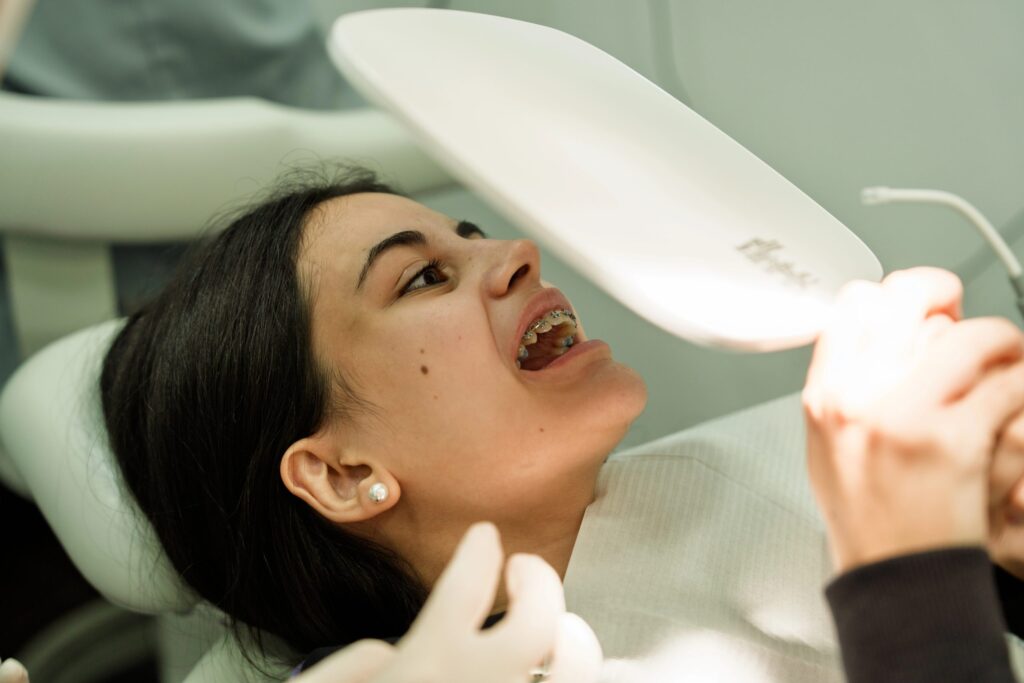
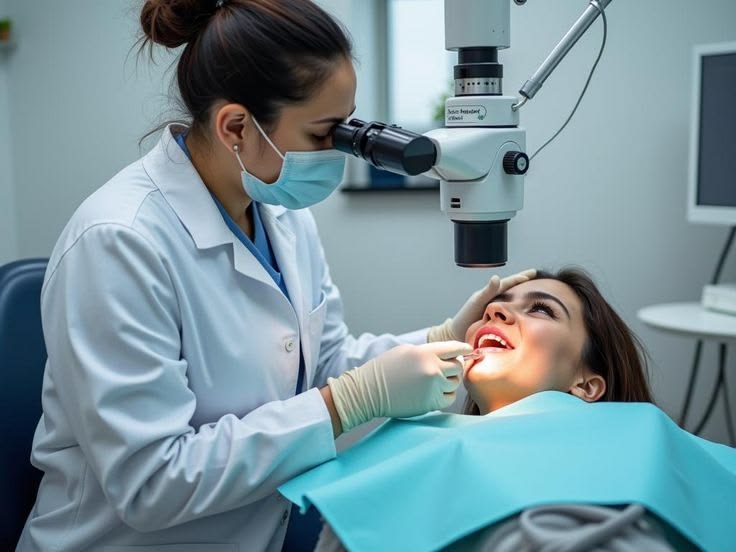
Regular dental examinations play a vital role in preventive dentistry.
During a routine visit, your dentist may:
- Examine your teeth for cavities
- Assess gum health
- Check existing fillings and restorations
- Evaluate bite alignment
- Screen for oral abnormalities
- Recommend preventive treatments
- Perform professional cleaning to remove plaque and tartar
These appointments allow problems to be addressed before they become more serious.
Professional Dental Cleaning Supports Prevention
Even with excellent brushing and flossing, plaque can harden into tartar, which cannot be removed with a toothbrush.
Professional dental cleaning helps:
- Remove plaque and tartar
- Reduce the risk of gum disease
- Polish tooth surfaces
- Improve oral hygiene
- Maintain fresher breath
Regular cleanings are an important part of long-term preventive care.
Daily Habits That Support Early Detection
Good oral hygiene allows you to notice changes in your mouth more easily.
Healthy daily habits include:
- Brushing twice a day with fluoride toothpaste
- Flossing once daily
- Looking for changes in your teeth and gums
- Drinking plenty of water
- Eating a balanced diet
- Limiting sugary foods and acidic drinks
- Avoiding tobacco products
If you notice unusual symptoms, schedule a dental appointment instead of waiting for discomfort to worsen.
Why Children Also Need Early Dental Care
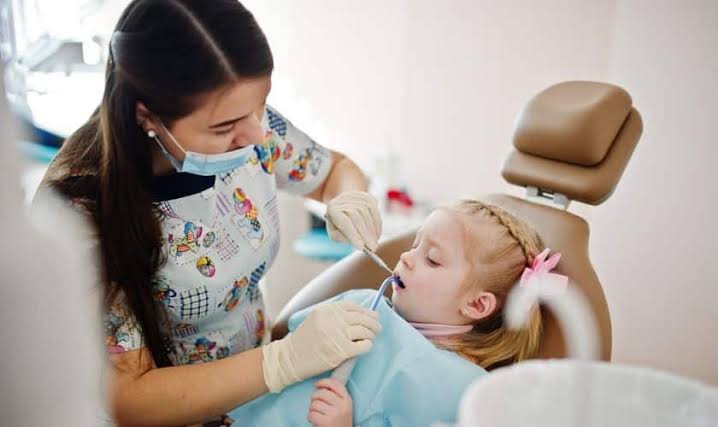
Early dental visits are equally important for children.
Routine examinations help dentists:
- Monitor tooth development
- Detect early cavities
- Assess bite alignment
- Provide preventive fluoride treatments
- Offer guidance on oral hygiene habits
Building healthy dental habits early supports lifelong oral health.
How Early Detection Saves Time and Money
Many people postpone dental appointments because they feel their teeth are healthy.
However, untreated dental problems often become more complicated over time.
Early treatment may require:
- Smaller fillings instead of crowns
- Professional cleaning instead of periodontal treatment
- Preventive care instead of tooth extraction
- Simple restorations instead of extensive procedures
Preventive dentistry is often more comfortable, less time-consuming, and more cost-effective than treating advanced dental disease.
Benefits of Early Detection in Dentistry
Prioritizing preventive dental care offers numerous advantages:
- Healthier teeth and gums
- Lower risk of cavities
- Reduced risk of gum disease
- Earlier diagnosis of oral conditions
- Better treatment outcomes
- Lower dental expenses
- Greater confidence in your smile
- Improved overall health
Regular dental care helps maintain your natural teeth for as long as possible.
Dr. Akram Altawachi is an experienced Orthodontist, providing personalized care for patients seeking guidance on teeth alignment, bite correction, and overall smile aesthetics. He offers comprehensive orthodontic care, including braces, clear aligners, Invisalign, and other treatment options tailored to individual needs. For anyone seeking expert guidance on their orthodontic journey, booking a consultation with Dr. Akram Altawachi provides personalized care, informed treatment guidance, and professional support.