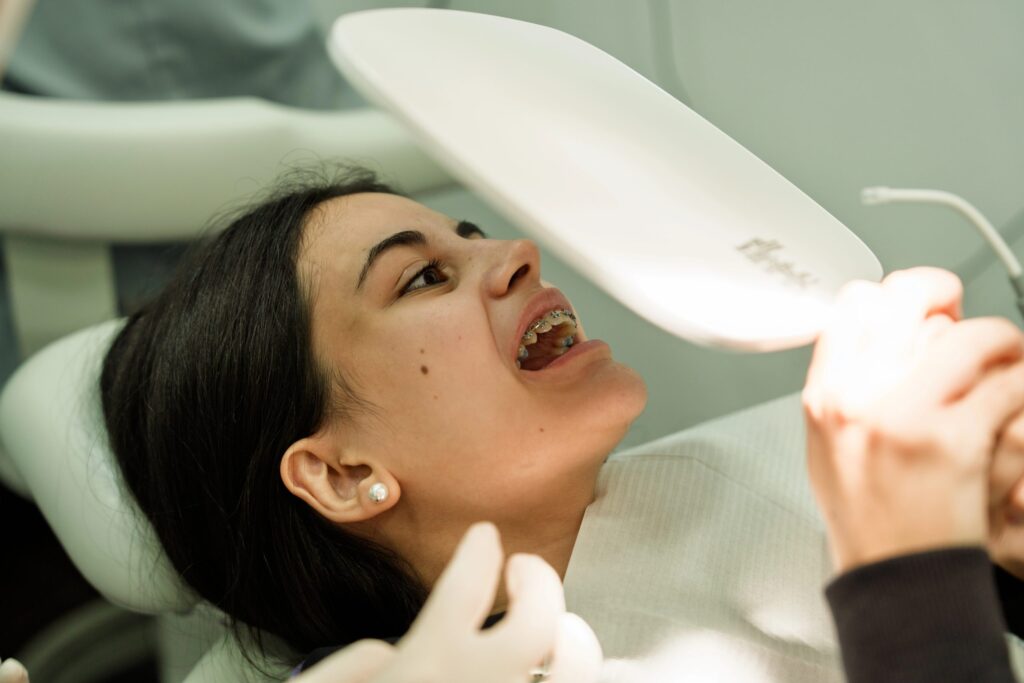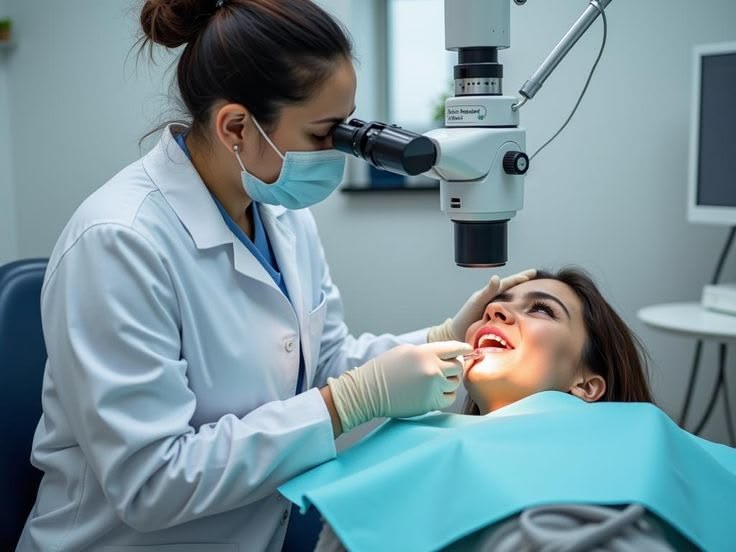
Regular dental care is not only about treating problems when they become painful. Early detection plays an important role in protecting teeth, gums, and overall oral health. Many dental conditions can develop gradually without causing noticeable symptoms in their early stages. Routine examinations allow potential concerns to be identified before they become more complicated, helping patients maintain healthier smiles and avoid unnecessary discomfort.
Detecting Dental Problems Before Symptoms Appear
Tooth decay, gum disease, enamel damage, and other oral conditions may develop quietly. A tooth can have early decay without causing pain, while gum disease may progress before significant symptoms become noticeable.
Regular dental examinations give professionals an opportunity to look for changes that may not be visible or noticeable at home. Detecting these concerns early can allow appropriate preventive care or treatment before the condition progresses.
Preventing Tooth Decay From Becoming More Serious
Tooth decay often begins when acids produced by oral bacteria gradually weaken tooth enamel. In its early stages, decay may not cause discomfort. If it continues to progress, it can reach deeper layers of the tooth and eventually cause sensitivity, pain, infection, or damage requiring more extensive treatment.
Early detection can make it easier to manage developing cavities. Depending on the condition, treatment may involve preventive measures, fluoride care, or a restoration to protect the affected tooth.
Identifying Gum Problems Early
Healthy gums are generally firm and comfortable and should not regularly bleed during brushing or flossing. Persistent bleeding, swelling, redness, tenderness, or bad breath can indicate a gum health concern.
Early-stage gum inflammation can often be managed with improved oral hygiene and professional cleaning. If gum disease advances, it can affect the tissues and bone supporting the teeth.
Routine dental visits help monitor gum health and identify changes before they become more difficult to manage.
Protecting Natural Teeth
One of the major benefits of early dental care is the opportunity to preserve natural teeth. When problems are identified at an early stage, treatment may be simpler and less invasive.
For example, treating a small cavity can help prevent deeper infection. Addressing gum inflammation early may help protect the structures supporting the teeth. Preventive care can therefore contribute to maintaining natural teeth for longer.
Monitoring Existing Dental Work
Dental crowns, fillings, bridges, veneers, and other restorations also benefit from regular monitoring. Even when a restoration feels comfortable, changes can develop around or underneath it.
Routine examinations allow dental professionals to check existing restorations and surrounding teeth and gums. Identifying wear, leakage, damage, or other concerns early can help maintain the function and appearance of dental work.
Supporting Children’s Oral Health
Early detection is particularly important for children because their teeth and jaws are still developing. Regular dental visits can help monitor tooth eruption, identify early decay, assess oral habits, and observe developing alignment concerns.
Preventive dental care can also help children become comfortable with dental visits. Building positive oral hygiene habits at an early age can support healthier teeth throughout childhood and later life.
Recognizing Changes in Oral Health
Dental examinations can identify more than cavities. Changes in the gums, tongue, soft tissues, bite, or jaw may also require attention.
Persistent mouth sores, unusual swelling, unexplained bleeding, changes in tissue appearance, or other ongoing abnormalities should be evaluated by an appropriate dental or healthcare professional. Early assessment is valuable because finding the cause promptly can support timely management.
Reducing the Risk of Dental Emergencies
Ignoring minor dental concerns can sometimes allow them to develop into urgent problems. A small cavity may eventually become painful, while an untreated dental infection can cause significant discomfort and swelling.
Regular examinations and timely treatment can reduce the likelihood of certain dental problems becoming emergencies. Patients should still seek prompt professional care when they experience severe tooth pain, facial swelling, dental trauma, or other urgent symptoms.
Building a Personalized Prevention Plan
Everyone has different dental needs. Factors such as age, oral hygiene, diet, previous dental treatment, gum health, medications, and risk of tooth decay can influence how often professional care is needed.
Regular visits allow dental professionals to provide personalized recommendations. These may include brushing techniques, interdental cleaning, fluoride use, dietary advice, professional cleaning, or closer monitoring of specific areas.
Early Detection Supports Long-Term Oral Health
The importance of early detection in dentistry goes beyond treating individual problems. It is an essential part of prevention and long-term oral health. Identifying dental concerns before they become advanced can help protect natural teeth, support healthy gums, reduce discomfort, and make treatment more manageable.
A strong oral care routine should include brushing twice a day with fluoride toothpaste, cleaning between the teeth daily, making balanced food choices, avoiding harmful habits, and attending regular dental examinations. Paying attention to changes in the mouth and seeking professional advice when concerns arise can further support a healthy smile.
Early detection gives patients the opportunity to take action sooner. With consistent preventive care and professional guidance, many dental problems can be managed before they significantly affect comfort, function, or quality of life.
Dr. Akram Altawachi is an experienced Orthodontist, providing personalized care for patients seeking guidance on teeth alignment, bite correction, and overall smile aesthetics. He offers comprehensive orthodontic care, including braces, clear aligners, Invisalign, and other treatment options tailored to individual needs. For anyone seeking expert guidance on their orthodontic journey, booking a consultation with Dr. Akram Altawachi provides personalized care, informed treatment guidance, and professional support.