Oral health is closely connected to overall well-being. The mouth is not separate from the rest of the body; it is an important part of the body’s systems and can reflect broader health conditions. Healthy teeth and gums support comfortable eating, clear speech, and confidence, while poor oral hygiene can contribute to discomfort and other health concerns. Understanding the connection between oral and overall health highlights why daily dental care and regular checkups are important at every stage of life.
The Mouth as an Important Part of the Body
The mouth contains teeth, gums, the tongue, saliva, and many different types of bacteria. Some bacteria are harmless, while others can contribute to plaque, tooth decay, and gum disease when oral hygiene is inadequate.
Because the mouth is connected to the digestive and respiratory systems, maintaining good oral hygiene helps reduce the buildup of harmful bacteria and supports a healthier oral environment. Regular brushing, cleaning between the teeth, and professional dental care are therefore important parts of general health maintenance.
Oral Hygiene and Gum Health
Healthy gums provide important support for the teeth. When plaque remains along the gumline, the gums can become irritated and inflamed. Early gum problems may cause redness, swelling, tenderness, or bleeding during brushing.
If gum disease progresses without appropriate care, it can affect the tissues and bone that support the teeth. Advanced gum disease may eventually contribute to loose teeth or tooth loss.
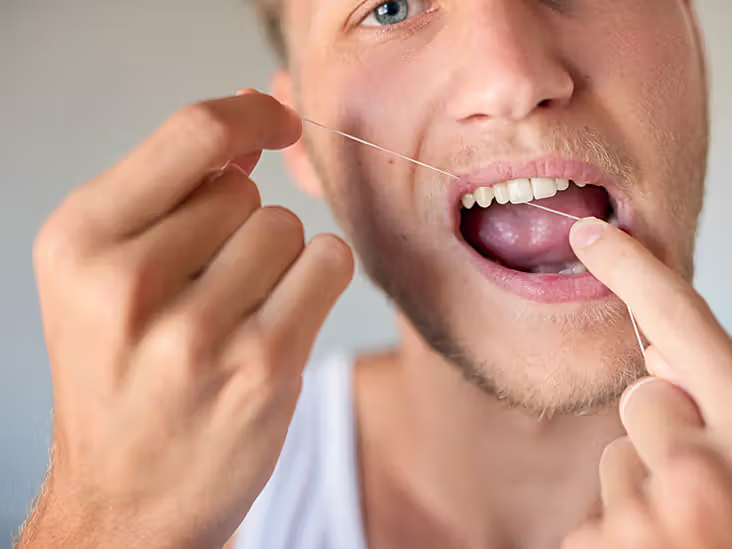
Maintaining good oral hygiene helps control plaque and supports healthier gums. Brushing twice a day and cleaning between the teeth every day are simple but effective habits.
Oral Health and Heart Health
Research has identified associations between gum disease and certain cardiovascular conditions. Long-term inflammation and bacteria associated with periodontal disease may be relevant to cardiovascular health, although the exact relationship is complex and continues to be studied.
This connection does not mean that gum disease directly causes heart disease. However, maintaining healthy gums is an important part of a broader approach to personal health, particularly for people who already have cardiovascular risk factors.
Oral Health and Diabetes
Diabetes and oral health can influence each other. People with poorly controlled blood sugar may have a higher risk of developing gum disease. At the same time, inflammation associated with periodontal disease can make blood sugar management more challenging.
For people living with diabetes, maintaining regular dental care alongside appropriate medical management can be especially important. Good brushing, interdental cleaning, professional dental examinations, and appropriate blood sugar management can all contribute to better health.
The Role of Nutrition in Oral and Overall Health
The foods and drinks people choose affect both the mouth and the rest of the body. Frequent consumption of sugary foods and drinks can increase the risk of tooth decay. A diet that is rich in essential nutrients can support healthy teeth, gums, bones, and general body functions.
Calcium and other nutrients play an important role in maintaining strong teeth and supporting oral tissues. Drinking water instead of frequently consuming sugary beverages can also help protect teeth while supporting normal hydration.
Balanced eating habits are therefore an important part of maintaining both oral and overall health.
Oral Health and Daily Quality of Life
Dental problems can affect much more than the appearance of a smile. Tooth pain, sensitivity, missing teeth, or gum problems may make eating and speaking uncomfortable. Some people may also avoid social situations because they feel self-conscious about their teeth or breath.
Addressing dental problems early can help people maintain comfortable daily activities and confidence. Preventive care is particularly valuable because many oral health problems can become more difficult to manage when treatment is delayed.
Oral Health Across Different Life Stages
The connection between oral and overall health remains important throughout life. Children need healthy teeth for proper nutrition, speech development, and normal dental development. Teenagers benefit from consistent hygiene habits as permanent teeth become established.
Adults should continue preventive care while managing lifestyle factors that may affect oral health. Older adults may require additional attention because medications, dry mouth, gum disease, and other age-related concerns can increase the risk of dental problems.
A personalized oral care routine can help address changing needs over time.
Prevention Supports Long-Term Well-Being
Good oral health begins with everyday habits. Brushing twice a day with fluoride toothpaste, cleaning between the teeth, limiting frequent sugary snacks, drinking water, and avoiding tobacco can help protect the mouth.
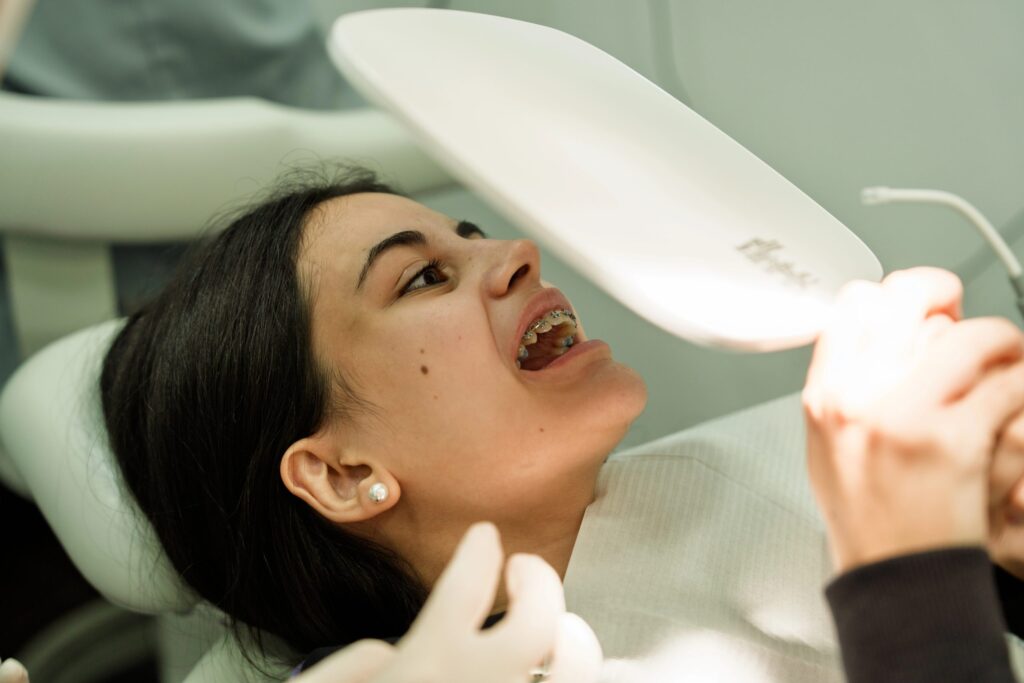
Regular dental examinations also allow potential problems to be identified early. Professional cleanings can remove hardened deposits that cannot be removed effectively with a toothbrush alone.
Most importantly, oral health should be viewed as part of overall health rather than as a separate concern. Taking care of the mouth can support comfort, nutrition, confidence, and healthy daily living.
A Healthier Mouth Supports a Healthier Lifestyle
The connection between oral and overall health demonstrates the importance of treating dental care as an essential part of personal wellness. Healthy teeth and gums make it easier to eat comfortably, speak clearly, maintain confidence, and enjoy everyday activities.
By developing consistent oral hygiene habits and seeking professional dental care when necessary, individuals can protect their smiles while supporting their broader health. Small daily actions can make a meaningful difference, making oral care an important investment in long-term well-being.
Dr. Akram Altawachi is an experienced Orthodontist, providing personalized care for patients seeking guidance on teeth alignment, bite correction, and overall smile aesthetics. He offers comprehensive orthodontic care, including braces, clear aligners, Invisalign, and other treatment options tailored to individual needs. For anyone seeking expert guidance on their orthodontic journey, booking a consultation with Dr. Akram Altawachi provides personalized care, informed treatment guidance, and professional support.