The foods and drinks we consume can have an important effect on our oral health. While fruits, vegetables, and other nutritious foods are essential for a balanced diet, some foods and beverages are naturally acidic. Frequent exposure to acidic foods and drinks can affect tooth enamel, the hard outer layer that protects the teeth.
Understanding the effects of acidic foods on dental health can help people make informed dietary choices while still enjoying a varied and nutritious diet. Good oral hygiene, appropriate eating habits, and regular dental care can all contribute to protecting teeth from acid-related damage.
Understanding Tooth Enamel
Tooth enamel is the strong outer covering of the teeth. It protects the inner layers from physical and chemical damage. Although enamel is highly mineralized, it can gradually lose minerals when exposed to acids.
Acidic foods and drinks can temporarily lower the pH level in the mouth. Frequent or prolonged exposure may contribute to enamel erosion. Unlike some tissues in the body, tooth enamel does not naturally grow back once it has been permanently lost.
This makes protecting enamel an important part of long-term oral care.
Common Acidic Foods and Drinks
Many everyday foods and beverages contain acids. Citrus fruits such as oranges, lemons, and grapefruits are naturally acidic. Tomatoes and certain fruit-based foods can also contain acids.
Common acidic drinks include:
- Soft drinks
- Energy drinks
- Sports drinks
- Fruit juices
- Flavored sparkling drinks
- Some acidic beverages and flavored waters
The effect of these foods depends on factors such as acidity, frequency of consumption, portion size, and how long the teeth are exposed to the acidic substance.
How Acid Can Affect Tooth Enamel
When teeth are exposed to acids, minerals can be removed from the enamel surface. Repeated acid exposure can contribute to enamel erosion.
As enamel becomes thinner, the underlying dentin may become more noticeable. This can sometimes make teeth appear more yellow because dentin naturally has a different color from enamel.
Enamel erosion can also affect the shape and surface of teeth over time. Regular exposure does not necessarily mean damage will occur immediately, but frequent acid challenges may increase the risk.
Tooth Sensitivity
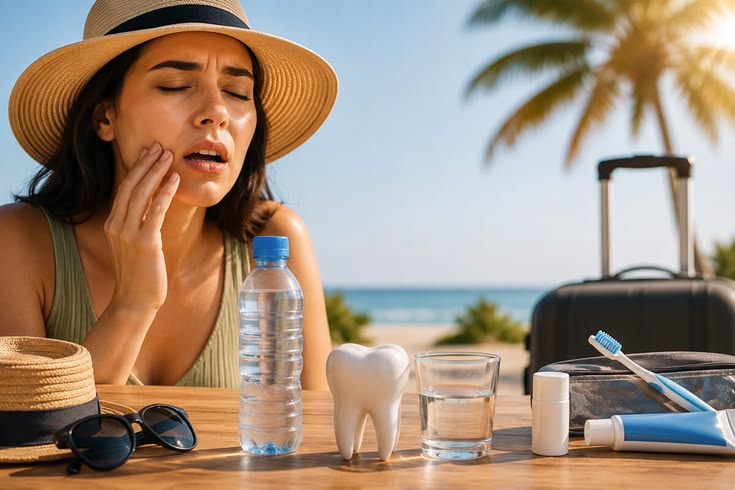
One possible effect of enamel erosion is increased tooth sensitivity. When protective enamel becomes thinner, the underlying tooth structures may become more exposed to temperature changes and other external stimuli.
People may notice discomfort when consuming hot, cold, sweet, or acidic foods and drinks.
Sensitivity can have several causes, including cavities, gum recession, worn fillings, or other dental conditions. Persistent sensitivity should therefore be evaluated rather than automatically attributed to acidic foods.
Acidic Foods and Children’s Dental Health
Children and teenagers may regularly consume fruit juices, soft drinks, sports drinks, and flavored beverages. Frequent exposure to acidic drinks can be a concern because developing healthy oral habits early is important.
Parents can encourage children to choose water more often and avoid sipping acidic or sugary beverages continuously throughout the day.
Whole fruits can also be a practical alternative to frequent fruit juice consumption because they provide fiber and are generally eaten more slowly as part of a meal or snack.
Frequency Matters
One of the important factors in acid exposure is how often acidic foods and drinks are consumed.
For example, drinking an acidic beverage slowly over several hours may expose the teeth to acids repeatedly. Having an acidic food or drink as part of a meal may result in a shorter period of exposure.
Reducing the frequency of acid exposure can therefore be a useful strategy for protecting enamel.
Avoid Brushing Immediately After Acidic Foods
Acidic foods and drinks can temporarily soften the outer surface of tooth enamel. Brushing immediately afterward may place additional mechanical stress on the softened enamel.
Instead, rinse the mouth with water after consuming acidic foods or beverages and allow some time before brushing.
Brushing twice a day with fluoride toothpaste remains an important part of protecting teeth and maintaining good oral hygiene.
Choose Water More Often
Water is one of the simplest drinks for supporting oral health. Drinking water after meals or acidic foods can help rinse the mouth and reduce lingering food and beverage residues.
Replacing frequent soft drinks, energy drinks, or fruit juices with water can also reduce repeated exposure to both acids and added sugars.
Where appropriate, fluoridated water can provide fluoride that supports tooth enamel.
Protecting Teeth From Acid Exposure
Several everyday habits can help reduce the effects of acidic foods on dental health:
- Drink water after acidic foods or beverages.
- Avoid slowly sipping acidic drinks throughout the day.
- Use a straw for certain acidic beverages when appropriate.
- Consume acidic foods as part of a meal rather than repeatedly between meals.
- Avoid brushing immediately after consuming highly acidic foods or drinks.
- Maintain regular brushing with fluoride toothpaste.
- Clean between teeth regularly.
- Limit frequent sugary and acidic snacks.
- Attend regular dental checkups.
These habits do not require eliminating nutritious acidic foods from the diet.
Maintaining a Balanced Diet
Acidic foods are not automatically unhealthy. Many nutritious foods, including citrus fruits and tomatoes, can be part of a balanced diet.
The goal is not necessarily to avoid all acidic foods. Instead, focus on how often they are consumed and how they are incorporated into daily meals.
A balanced diet containing vegetables, fruits, whole grains, protein sources, and other nutrient-rich foods can support overall health while good oral hygiene protects the teeth.
Signs of Possible Enamel Wear
People should pay attention to changes in their teeth. Possible signs of enamel erosion may include increased sensitivity, changes in tooth appearance, smoother or thinner-looking edges, or discomfort when consuming certain foods.
These symptoms can also have other causes, so professional evaluation is useful when changes persist.
Early attention may help identify the cause and determine appropriate steps for protecting the teeth.
Dr. Akram Altawachi is an experienced Orthodontist, providing personalized care for patients seeking guidance on teeth alignment, bite correction, and overall smile aesthetics. He offers comprehensive orthodontic care, including braces, clear aligners, Invisalign, and other treatment options tailored to individual needs. For anyone seeking expert guidance on their orthodontic journey, booking a consultation with Dr. Akram Altawachi provides personalized care, informed treatment guidance, and professional support.