Flossing is an important part of maintaining good oral health, yet it is often overlooked. Brushing your teeth twice a day helps remove plaque and food particles from many surfaces, but a toothbrush cannot effectively reach every space between the teeth. Flossing helps clean these hard-to-reach areas and supports healthier teeth and gums.
Making flossing part of a daily oral hygiene routine can help reduce plaque buildup, support gum health, and keep the mouth feeling cleaner. Along with brushing, a balanced diet, and regular dental checkups, flossing contributes to long-term oral care.
Removes Plaque Between Teeth
Plaque is a sticky layer of bacteria that continuously develops on teeth. While brushing can remove plaque from the front, back, and chewing surfaces, spaces between teeth can be more difficult to clean.
Floss is designed to move between teeth and along the gumline, helping remove plaque and trapped food. Cleaning these areas regularly can reduce the amount of buildup that remains after brushing.
Helps Protect Gum Health
Plaque that stays around the gumline can irritate the gums. Early gum problems may cause redness, swelling, tenderness, or bleeding during brushing and flossing.
Regular interdental cleaning can help reduce plaque accumulation around the gums. Healthy gums are an important foundation for maintaining overall oral health.
If gums continue to bleed, remain swollen, or become painful despite improved oral hygiene, it is advisable to seek professional dental advice.
Reduces the Risk of Tooth Decay
Food particles and bacteria can become trapped between teeth. When plaque remains in these areas, acids produced by bacteria can contribute to tooth decay.
Flossing helps clean areas that a toothbrush may miss. By removing debris and plaque from between teeth, flossing can become an important part of a cavity-prevention routine.
However, flossing does not replace brushing. Both methods work together to provide more complete daily cleaning.
Cleans Hard-to-Reach Areas
The spaces between teeth are among the most difficult areas to clean with a standard toothbrush. Back teeth can be especially challenging because of their position and shape.
Floss can reach narrow spaces and help clean along the sides of individual teeth. This makes interdental cleaning particularly useful for areas that are difficult to access with brushing alone.
People with braces, bridges, dental implants, or other dental appliances may require specialized cleaning tools. A dental professional can recommend suitable options based on individual needs.
Helps Maintain Fresher Breath
Food particles and plaque trapped between teeth can contribute to unpleasant mouth odor. Regular flossing helps remove some of this buildup before it remains in the mouth for extended periods.
Although flossing can support fresher breath, persistent bad breath may have other causes. Gum problems, dry mouth, certain foods, medications, and other health conditions can contribute to ongoing mouth odor.
Supports a Complete Oral Hygiene Routine
Effective oral hygiene involves more than brushing. A complete routine may include:
- Brushing twice a day with fluoride toothpaste
- Cleaning between the teeth daily
- Cleaning the tongue gently
- Drinking water regularly
- Limiting frequent sugary foods and drinks
- Replacing toothbrushes when bristles become worn
- Visiting a dental professional for regular checkups
Each habit addresses different aspects of oral health. Combining them can provide more comprehensive daily care.
How to Floss Correctly
Proper technique is important because aggressive flossing can irritate the gums.
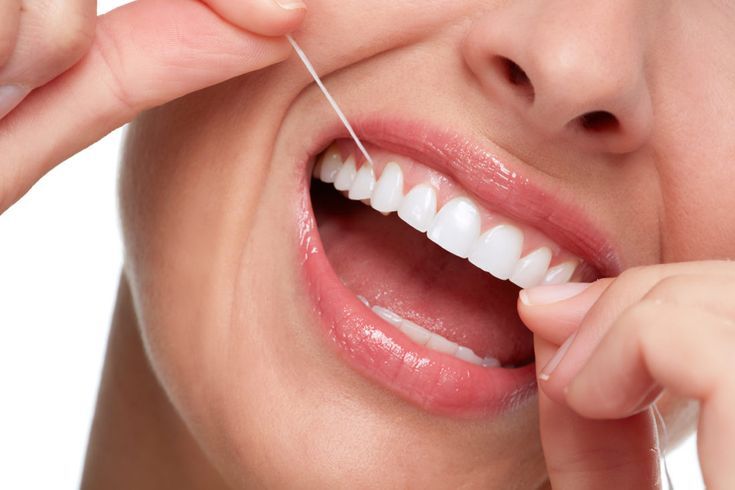
Start with enough floss to work with comfortably. Gently guide the floss between two teeth rather than forcing it downward. Curve the floss around the side of one tooth and move it gently up and down. Then clean the neighboring tooth in the same way.
The floss should also reach slightly below the gumline without being pushed forcefully into the gums.
If traditional floss is difficult to use, alternatives such as interdental brushes or water flossers may be useful for some people. The most suitable option can depend on tooth spacing, dental appliances, dexterity, and individual oral health needs.
Making Flossing a Daily Habit
One of the biggest challenges with flossing is consistency. People may remember to floss occasionally but forget to make it part of their everyday routine.
Choosing a specific time can make the habit easier. For example, flossing before nighttime brushing can become a simple part of a regular bedtime routine.
Parents can also introduce age-appropriate interdental cleaning habits to children and supervise them until they develop the necessary skills.
Flossing and Dental Checkups
Daily flossing supports oral hygiene, but it cannot replace professional dental care. Regular checkups allow dental professionals to examine the teeth and gums and identify concerns that may not be noticeable at home.
Professional cleanings can also help remove hardened deposits that cannot be removed effectively through regular brushing and flossing.
If flossing causes persistent bleeding, pain, swelling, or sensitivity, professional evaluation can help determine the underlying cause.
Choosing the Right Interdental Cleaning Method
Not everyone has the same dental needs. Some people have tightly spaced teeth, while others have larger gaps. Braces, bridges, implants, and other dental work can also affect how between-teeth cleaning should be performed.
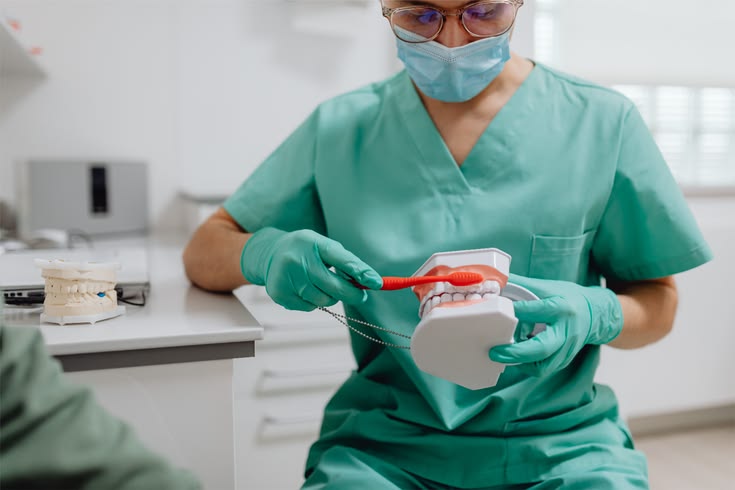
The goal is to clean between teeth regularly and safely. If you are unsure which method to use, a dental professional can demonstrate an appropriate technique and recommend suitable products.
Dr. Akram Altawachi is an experienced Orthodontist, providing personalized care for patients seeking guidance on teeth alignment, bite correction, and overall smile aesthetics. He offers comprehensive orthodontic care, including braces, clear aligners, Invisalign, and other treatment options tailored to individual needs. For anyone seeking expert guidance on their orthodontic journey, booking a consultation with Dr. Akram Altawachi provides personalized care, informed treatment guidance, and professional support.