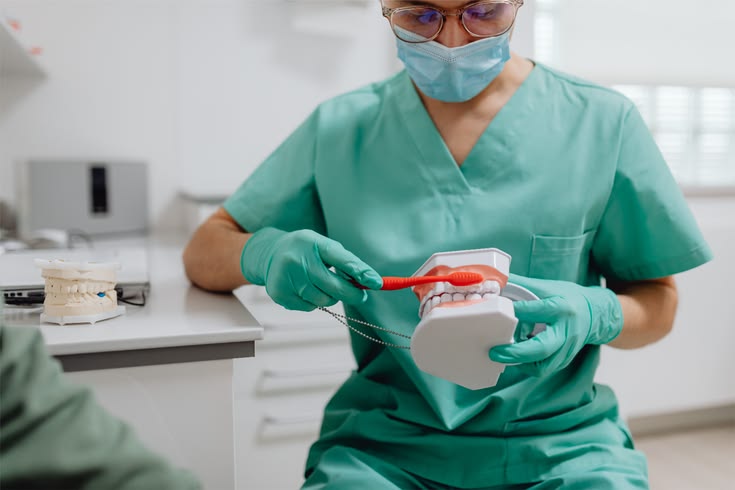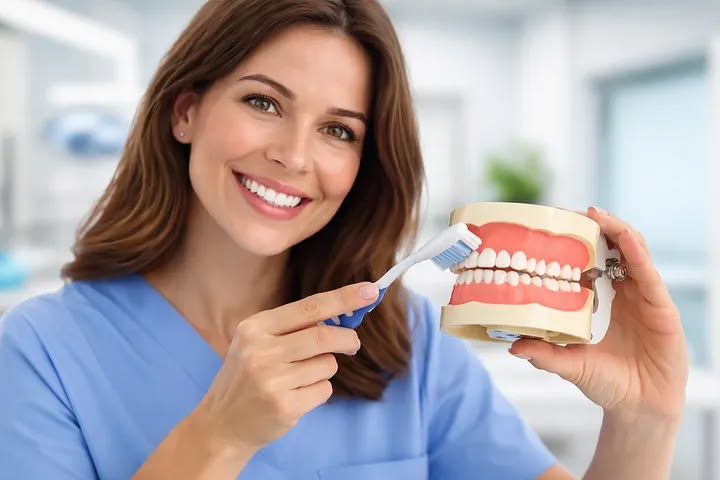
A healthy smile begins with a simple yet powerful routine—brushing your teeth twice a day. While it only takes a few minutes, this daily habit plays a vital role in preventing dental problems and maintaining good oral hygiene. The Importance of Brushing Twice a Day extends beyond clean teeth; it helps protect your gums, reduces harmful bacteria, and contributes to your overall health.
Every day, your mouth is exposed to food particles, bacteria, and acids that can damage your teeth. Without regular cleaning, these substances build up on the teeth and gums, increasing the risk of cavities, gum disease, and bad breath. Brushing in the morning and before going to bed helps remove these harmful deposits and keeps your mouth healthy.
Why Brushing Twice a Day Matters
Your mouth naturally contains bacteria, many of which are harmless. However, when these bacteria feed on leftover food—especially sugary or starchy foods—they produce acids that attack the enamel, the protective outer layer of your teeth.
Brushing twice a day removes plaque, bacteria, and food debris before they can cause lasting damage. It is one of the most effective and affordable ways to maintain good oral health throughout your life.
Benefits of Brushing Twice a Day
Reduces the Risk of Cavities
Plaque is a sticky film of bacteria that constantly forms on your teeth. If it is not removed regularly, it can weaken the enamel and lead to tooth decay.
Brushing with fluoride toothpaste twice a day helps remove plaque while strengthening tooth enamel, making your teeth more resistant to cavities.
Keeps Gums Healthy
Healthy gums are essential for supporting your teeth. Plaque that builds up near the gum line can irritate the gums, causing redness, swelling, and bleeding. Over time, untreated gum inflammation may develop into more serious periodontal disease.
Regular brushing helps keep the gum line clean and supports healthy gum tissue.
Controls Bad Breath
One of the most common causes of persistent bad breath is bacterial buildup inside the mouth. Food particles left between the teeth and on the tongue provide an ideal environment for bacteria to grow.
Brushing your teeth and gently cleaning your tongue every morning and night helps reduce odor-causing bacteria, leaving your mouth feeling fresh and clean.
Prevents Plaque from Turning into Tartar
Plaque begins forming within hours after brushing. If it is not removed, it eventually hardens into tartar, which cannot be cleaned away with a toothbrush.
By brushing twice every day, you reduce plaque accumulation and lower the amount of tartar that develops between dental visits.
Helps Maintain Naturally Clean Teeth
Daily brushing removes surface stains caused by beverages like coffee and tea, as well as certain foods. Although brushing does not replace professional whitening treatments, it helps preserve the natural appearance of your teeth and keeps your smile looking brighter.
Supports Overall Health
Oral health is closely connected to general health. Harmful bacteria in the mouth can contribute to inflammation that may affect other parts of the body. Studies have linked poor oral hygiene with conditions such as heart disease, diabetes, and respiratory infections.
Maintaining a clean mouth through regular brushing is an important part of supporting overall well-being.
The Right Way to Brush Your Teeth
Brushing effectively is just as important as brushing regularly. Following the correct technique helps remove plaque without damaging your teeth or gums.
For the best results:
- Brush for at least two minutes.
- Use a soft-bristled toothbrush.
- Choose a fluoride toothpaste.
- Hold the toothbrush at a 45-degree angle toward the gums.
- Brush gently using small circular motions.
- Clean the outer, inner, and chewing surfaces of every tooth.
- Finish by brushing your tongue to remove bacteria.
Avoid scrubbing aggressively, as excessive pressure can wear down enamel and irritate the gums.
Common Brushing Mistakes
Even people who brush every day may unknowingly reduce the effectiveness of their oral care routine. Some common mistakes include:
- Brushing for less than two minutes.
- Applying too much force while brushing.
- Forgetting to clean the tongue.
- Skipping brushing before bedtime.
- Using an old toothbrush with worn bristles.
- Ignoring hard-to-reach back teeth.
Correcting these habits can significantly improve your oral hygiene.
Brushing Alone Is Not Enough
Although brushing is the cornerstone of oral care, it should be combined with other healthy practices to achieve the best results.
A complete oral hygiene routine includes:
- Flossing once every day.
- Using a dentist-recommended mouthwash if needed.
- Drinking plenty of water.
- Eating a balanced diet with limited sugary snacks and beverages.
- Visiting your dentist regularly for examinations and professional cleanings.
Together, these habits provide comprehensive protection against common dental problems.
How Often Should You Replace Your Toothbrush?
A toothbrush gradually becomes less effective as its bristles wear out. Dental professionals generally recommend replacing your toothbrush every three to four months.
You should also replace it sooner if:
- The bristles become frayed.
- You have recently recovered from a contagious illness.
- The brush no longer cleans effectively.
If you use an electric toothbrush, replace the brush head according to the manufacturer’s recommendations.
Building Healthy Habits for the Whole Family
Teaching children to brush twice a day from an early age encourages lifelong oral health. Parents should supervise young children while brushing and help them develop proper techniques.
Adults can set a positive example by making brushing part of their daily routine and encouraging healthy eating habits that support strong teeth and gums.
Dr. Akram Altawachi is an experienced Orthodontist, providing personalized care for patients seeking guidance on teeth alignment, bite correction, and overall smile aesthetics. He offers comprehensive orthodontic care, including braces, clear aligners, Invisalign, and other treatment options tailored to individual needs. For anyone seeking expert guidance on their orthodontic journey, booking a consultation with Dr. Akram Altawachi provides personalized care, informed treatment guidance, and professional support.