Good oral health is the foundation of a healthy smile and overall well-being. While many people focus on treating dental problems after they occur, the best approach is prevention. Understanding How to Maintain Good Oral Hygiene can help prevent cavities, gum disease, bad breath, and other oral health issues while keeping your teeth and gums healthy for life.
Oral hygiene involves more than simply brushing your teeth. It includes daily habits, regular dental checkups, healthy eating, and proper care of your gums and mouth. In this blog, we’ll explore practical tips to maintain excellent oral hygiene and why these habits are essential for people of all ages.
Why Is Good Oral Hygiene Important?
Maintaining proper oral hygiene helps remove plaque—a sticky film of bacteria that forms on your teeth. If plaque is not removed regularly, it can harden into tartar, leading to tooth decay, gum disease, and bad breath.
Poor oral health has also been linked to several general health conditions, including heart disease, diabetes, respiratory infections, and pregnancy complications. That’s why taking care of your mouth is an important part of maintaining your overall health.
How to Maintain Good Oral Hygiene
1. Brush Your Teeth Twice a Day
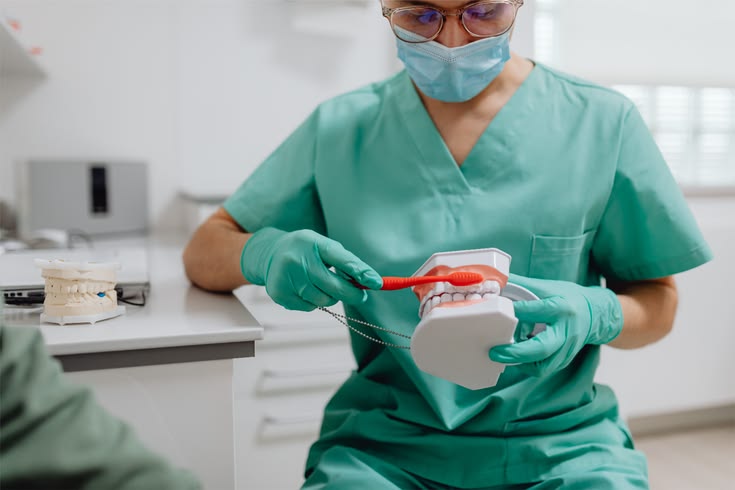
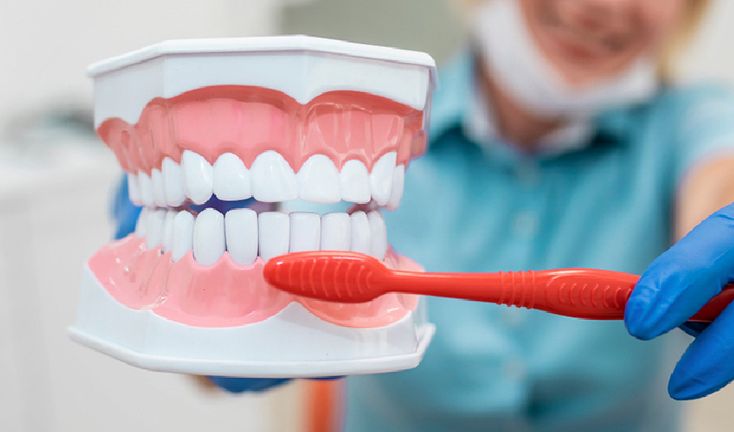
Brushing your teeth is the most important step in maintaining oral hygiene. Use a soft-bristled toothbrush and fluoride toothpaste to clean all tooth surfaces for at least two minutes.
Remember to:
- Brush every morning and before bedtime.
- Hold the toothbrush at a 45-degree angle to the gums.
- Use gentle circular motions instead of scrubbing aggressively.
- Clean your tongue to remove bacteria and freshen your breath.
Replace your toothbrush every three to four months or sooner if the bristles become worn.
2. Floss Daily
Brushing alone cannot remove food particles and plaque trapped between teeth. Daily flossing cleans these hard-to-reach areas and helps prevent cavities and gum disease.
If traditional floss is difficult to use, consider floss picks or a water flosser based on your dentist’s recommendation.
3. Use an Antibacterial Mouthwash
An antibacterial mouthwash helps reduce bacteria, freshens breath, and reaches areas your toothbrush may miss. Depending on your oral health needs, your dentist may recommend a fluoride mouthwash for added protection against cavities.
Mouthwash should complement brushing and flossing—not replace them.
4. Eat a Tooth-Friendly Diet
Your diet has a direct impact on your oral health. Eating nutrient-rich foods helps strengthen teeth and gums while limiting sugar reduces the risk of cavities.
Include foods such as:
- Fresh fruits and vegetables
- Dairy products rich in calcium
- Lean proteins
- Nuts and seeds
- Whole grains
Limit sugary snacks, soft drinks, sticky candies, and acidic beverages, as they contribute to enamel erosion and tooth decay.
5. Stay Hydrated
Drinking plenty of water throughout the day helps wash away food particles and bacteria while promoting saliva production.
Saliva plays an important role in protecting your teeth by neutralizing acids, reducing bacteria, and preventing dry mouth.
Water is especially beneficial after meals when brushing isn’t immediately possible.
6. Avoid Tobacco Products
Smoking and chewing tobacco significantly increase the risk of gum disease, tooth loss, oral cancer, and persistent bad breath.
Quitting tobacco not only improves your oral health but also benefits your overall health and quality of life.
7. Visit Your Dentist Regularly
Even with excellent home care, professional dental checkups remain essential. Dentists can identify early signs of cavities, gum disease, oral infections, and other dental problems before they become more serious.
Professional cleanings remove hardened tartar that cannot be removed through brushing alone.
Most people should schedule dental checkups every six months, although some individuals may require more frequent visits.
8. Protect Your Teeth
If you participate in contact sports, wear a custom-fitted mouthguard to protect your teeth from injury.
If you grind your teeth while sleeping (bruxism), your dentist may recommend a night guard to prevent tooth wear and jaw discomfort.
Avoid using your teeth to open bottles, tear packages, or bite hard objects like ice, as these habits can lead to fractures.
Common Signs of Poor Oral Hygiene
Recognizing early warning signs can help you seek dental care before problems worsen.
Watch for symptoms such as:
- Bleeding gums
- Persistent bad breath
- Tooth sensitivity
- Tooth pain
- Swollen or red gums
- Loose teeth
- White or brown spots on teeth
- Mouth sores that don’t heal
If you notice any of these symptoms, schedule an appointment with your dentist promptly.
Oral Hygiene Tips for Children
Teaching children healthy dental habits early sets the foundation for lifelong oral health.
Parents should:
- Begin cleaning a baby’s gums before teeth appear.
- Brush children’s teeth twice daily using age-appropriate toothpaste.
- Supervise brushing until children can do it effectively on their own.
- Encourage healthy eating habits.
- Schedule regular pediatric dental visits.
Making oral care fun and consistent helps children develop positive habits.
Benefits of Maintaining Good Oral Hygiene
Practicing good oral hygiene offers numerous long-term benefits, including:
- Reduced risk of cavities
- Healthier gums
- Fresh breath
- Stronger teeth
- Lower risk of tooth loss
- Better overall health
- Improved confidence with a bright smile
- Reduced need for expensive dental treatments
Small daily habits can make a significant difference in preserving your oral health.
Dr. Akram Altawachi is an experienced Orthodontist, providing personalized care for patients seeking guidance on teeth alignment, bite correction, and overall smile aesthetics. He offers comprehensive orthodontic care, including braces, clear aligners, Invisalign, and other treatment options tailored to individual needs. For anyone seeking expert guidance on their orthodontic journey, booking a consultation with Dr. Akram Altawachi provides personalized care, informed treatment guidance, and professional support.