A healthy smile starts with the choices you make every day. While regular dental checkups are important, your daily oral care routine plays the biggest role in keeping your teeth and gums healthy. Adopting the right habits can help prevent cavities, gum disease, bad breath, and other oral health problems while maintaining a confident smile.
In this blog, we’ll explore the best Daily Habits for Healthy Teeth and how these simple practices can protect your oral health for years to come.
Why Daily Oral Care Matters
Your mouth is home to millions of bacteria. While many of these bacteria are harmless, some combine with food particles to form plaque—a sticky film that builds up on your teeth. If plaque isn’t removed regularly, it can lead to tooth decay, gum disease, and bad breath.
Consistent oral hygiene not only protects your teeth but also contributes to your overall health. Studies have shown that poor oral health may be linked to conditions such as heart disease, diabetes, and respiratory infections.
1. Brush Your Teeth Twice a Day
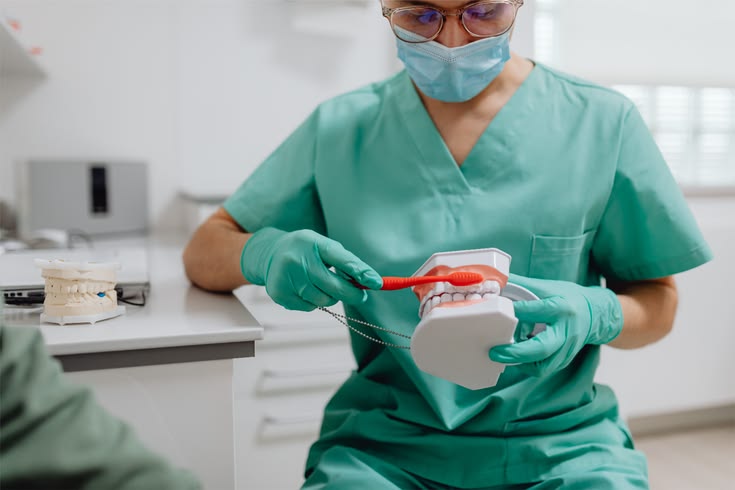
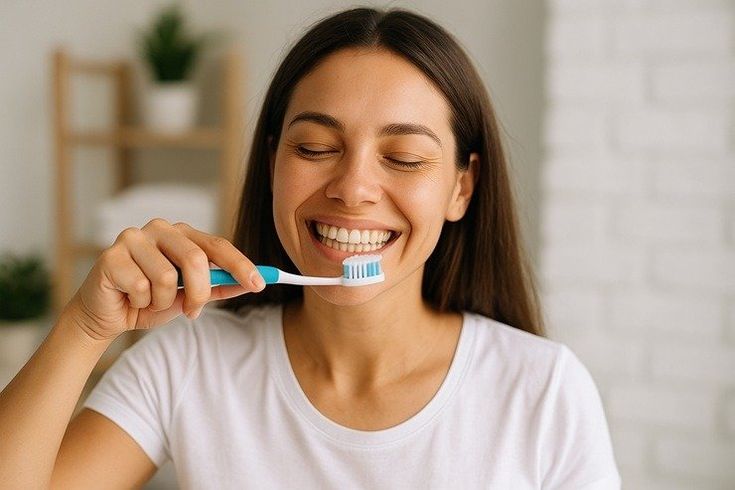
Brushing is the foundation of good oral hygiene. Use a soft-bristled toothbrush and fluoride toothpaste to clean your teeth for at least two minutes, twice a day.
To brush effectively:
- Hold the toothbrush at a 45-degree angle to your gums.
- Use gentle circular motions rather than aggressive scrubbing.
- Clean all tooth surfaces, including the back teeth.
- Brush your tongue to remove bacteria and improve breath freshness.
Replace your toothbrush every three to four months or sooner if the bristles become worn.
2. Floss Every Day
Brushing cleans the visible surfaces of your teeth, but it cannot reach the spaces between them. Flossing removes food particles and plaque from these areas, reducing the risk of cavities and gum disease.
Daily flossing also helps prevent plaque from hardening into tartar, which can only be removed by a dental professional.
3. Use a Fluoride Toothpaste
Fluoride strengthens tooth enamel and helps protect against cavities. Choosing a fluoride toothpaste provides an extra layer of defense by making teeth more resistant to acid attacks caused by bacteria and sugary foods.
Always use the amount of toothpaste recommended for your age, especially for children.
4. Rinse with Mouthwash
A dentist-recommended mouthwash can help reduce bacteria, freshen your breath, and reach areas that brushing and flossing may miss.
Mouthwash should be used as an additional step in your oral care routine—not as a substitute for brushing or flossing.
5. Drink Plenty of Water
Water is one of the best beverages for your oral health. It helps wash away food particles, neutralizes harmful acids, and supports saliva production.
Saliva naturally protects your teeth by reducing bacteria and preventing dry mouth, making adequate hydration an important daily habit.
6. Eat a Tooth-Friendly Diet
The foods you eat directly affect your dental health. A balanced diet rich in vitamins and minerals helps strengthen your teeth and gums.
Choose foods such as:
- Fresh fruits and vegetables
- Milk, yogurt, and cheese
- Lean proteins
- Whole grains
- Nuts and seeds
Try to limit sugary snacks, soft drinks, sticky candies, and acidic beverages, as they can damage tooth enamel and increase the risk of cavities.
7. Limit Frequent Snacking
Eating sugary or starchy foods throughout the day gives bacteria more opportunities to produce acids that attack your teeth.
If you need a snack, choose healthier options like fruits, vegetables, cheese, or unsalted nuts. Drinking water after meals and snacks can also help rinse away food particles.
8. Avoid Tobacco Products
Smoking and chewing tobacco increase the risk of gum disease, tooth loss, stained teeth, bad breath, and oral cancer.
Quitting tobacco improves not only your oral health but also your overall health and quality of life.
9. Protect Your Teeth
If you play contact sports, wear a properly fitted mouthguard to prevent dental injuries.
If you grind your teeth during sleep, talk to your dentist about a custom night guard to protect your enamel and reduce jaw discomfort.
Avoid using your teeth as tools to open packages or bite hard objects like ice, which can lead to chipped or cracked teeth.
10. Schedule Regular Dental Checkups
Even the best home care routine cannot replace professional dental care. Visiting your dentist every six months allows early detection of cavities, gum disease, and other oral health issues.
Professional cleanings remove tartar buildup that cannot be eliminated with regular brushing, helping keep your smile healthy.
Signs Your Oral Health Needs Attention
Watch for these warning signs:
- Bleeding gums
- Persistent bad breath
- Tooth sensitivity
- Toothache
- Swollen or red gums
- Loose teeth
- Mouth sores that don’t heal
If you experience any of these symptoms, schedule a dental appointment promptly.
Benefits of Following Healthy Daily Habits
Developing consistent oral care habits offers many long-term benefits, including:
- Stronger teeth
- Healthier gums
- Reduced risk of cavities
- Fresher breath
- Lower risk of tooth loss
- Fewer expensive dental treatments
- Improved confidence with a brighter smile
Small daily efforts can lead to lasting improvements in your oral health.
Dr. Akram Altawachi is an experienced Orthodontist, providing personalized care for patients seeking guidance on teeth alignment, bite correction, and overall smile aesthetics. He offers comprehensive orthodontic care, including braces, clear aligners, Invisalign, and other treatment options tailored to individual needs. For anyone seeking expert guidance on their orthodontic journey, booking a consultation with Dr. Akram Altawachi provides personalized care, informed treatment guidance, and professional support.